South Vietnam · Travel
Con Dao Snorkelling and Diving: Where, When, Park Rules
Con Dao snorkelling and diving: which national park reef trips run, prices listed in November 2026, calm-sea months by coast, the coral after 2024 and the rules.
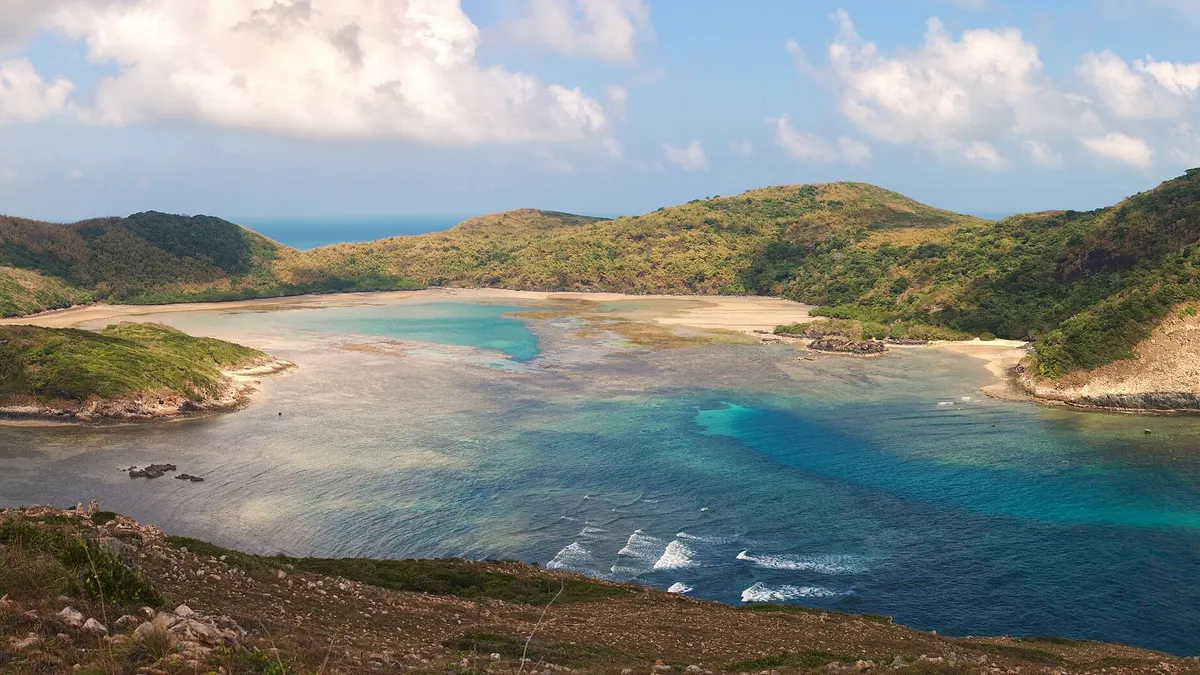
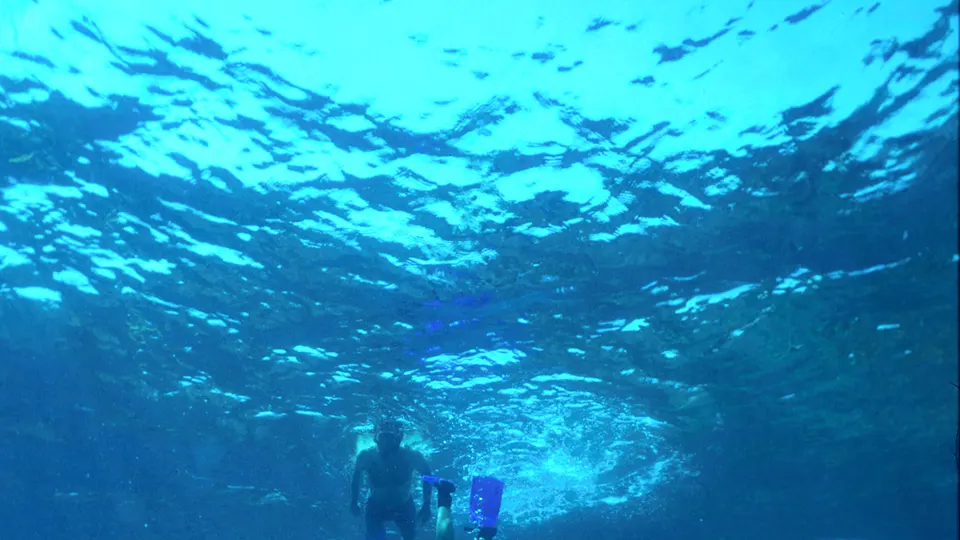
As of 22 November 2026, snorkelling on Con Dao (Côn Đảo) is done mainly on reef trips run by Con Dao National Park, which lists five routes, from a half day at Hon Ba to a full day at the islands of Bay Canh and Hon Cau, at 670,000 to 3,200,000 dong per person (Con Dao National Park). The calm months for the offshore reefs are March to September; in late November and through the winter, the west and south-west coasts are the realistic choice. The reefs are recovering from a severe bleaching in 2024, and the park still sets the rules on where boats may stop.
This page is the underwater half of our Con Dao guide: which reef trip to book, when the sea allows it, what state the coral is in and what the park’s rules mean in the water. For flights and ferries see getting to Con Dao, and for the night-time nesting trips see Con Dao turtle watching. Con Dao has been a special zone of Ho Chi Minh City since July 2025, when the former Ba Ria–Vung Tau province merged into the city, so the park now gives its address as “Con Dao Special Zone, Ho Chi Minh City”.
Con Dao snorkelling at a glance
Checked against the national park’s route listings and Vietnamese press on 22 November 2026.
| What the sources say | |
|---|---|
| Who runs reef trips | Con Dao National Park, from its fee office at 36 Ton Duc Thang street in Con Dao town; private operators also sell trips that use park routes |
| Park reef routes (Nov 2026) | Hon Ba, Hon Trung, Hon Tre Lon (half day); Bay Canh–Hon Cau, Dam Tre bay (full day) |
| Listed price per person | 670,000–3,200,000 dong, depending on route and group size; mask, snorkel, guide and park fee included |
| Calm-sea months | March to September for the offshore islands; October to March, west and south-west coasts |
| Water temperature | 27–30 °C in the March–September diving season (VnExpress International) |
| Coral | 360 coral species recorded; bleached heavily in 2024, recovering by mid-2026 |
| Visitor cap | About 45–48 visitors at a time per site by day |
| Guide | Required on park routes (park or local community guide) |
Where can you snorkel on Con Dao?
The reefs ring the smaller islands around Con Son, the only inhabited island, and a few bays of Con Son itself. Vietnam’s national tourism site recommends a boat day to the coral at Hon Tai, Bay Canh or Cau islands, and names Dam Tre bay as one of Con Son’s best snorkelling spots, reached by a national park trail of about two hours (vietnam.travel).
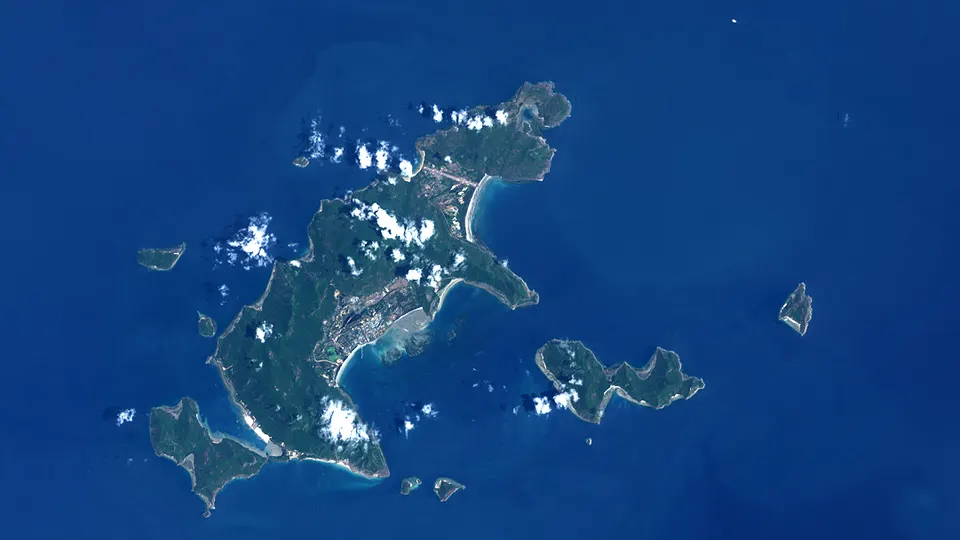
The national park sells its own versions of these trips. On 22 November 2026 its marine ecotourism page listed five routes, and each listing names what is included:
| Route (park code) | Length | Listed price per person (22 Nov 2026) | What the listing includes |
|---|---|---|---|
| Hon Trung (CDP 007) | Half day | 750,000–3,050,000 dong | Speedboat, park guide, park fee, mask and snorkel |
| Hon Tre Lon (CDP 006) | Half day | 700,000–3,000,000 dong | Speedboat, park guide, park fee, snorkelling gear |
| Hon Ba (CDP 011) | Half day | 1,100,000–3,200,000 dong | Transfer to Ben Dam port, boat, park guide, park fee, mask and snorkel |
| Bay Canh–Hon Cau (CDP 017) | Full day | 670,000–2,700,000 dong | Boat trip to two islands, swimming over the coral, island walk |
| Dam Tre bay (CDP 015) | Full day | 1,150,000–2,850,000 dong | Forest hike, boat, coral, a small-boat ride through the mangroves |
Hon Bay Canh and Hon Cau, east of Con Son, are the classic pair. The park’s route description adds history to the swim: Hon Cau once held a village and the cell where the future prime minister Pham Van Dong was held in 1930–31. Dam Tre, a sheltered bay in the north of Con Son about 3 km from the airport, mixes mangroves, seagrass and coral, and the park lists its waters as a strictly protected subzone. The wide price ranges reflect the group size and options, so ask for the exact price for your date.
Which snorkelling trip should you book?
Choose by your time, the sea and what else you want from the day. A half-day route leaves an afternoon for the prison sites; a full day adds an island walk or a forest hike.
| If you… | Book | Why |
|---|---|---|
| Have one morning and want coral close to town | A half-day park route (Hon Trung, Hon Tre Lon or Hon Ba) | Shortest boat time, gear and guide included |
| Want the classic island day | Bay Canh–Hon Cau (full day) | Two islands, coral, beach and history in one trip |
| Like walking as much as swimming | Dam Tre bay | Forest hike, mangroves and a sheltered bay |
| Visit from April to November and want turtles too | Bay Canh–Hon Cau, then a turtle night | The park lists Hon Bay Canh and Hon Cau for both coral swims and turtle nesting |
| Are a certified scuba diver | A dive operator working with the park, March–September | Water is 27–30 °C in that season; ask which sites they may use this month |
| Visit from October to March | A west-side route, decided the day before | The east side is often too rough |
Scuba diving is offered too: when the park closed reefs in 2024 it halted both swimming and scuba diving at the affected sites, DTiNews reported. VnExpress International names Hon Bay Canh and Hon Tai as popular dive areas and puts the diving season at March to September. If you dive, bring your certification card, choose an operator that works inside the park’s rules, and ask how they handle a closed site.
When is the sea calm enough to snorkel?
March to September is the best time to explore Con Dao, when the sea is calm and the wind light around the eastern and north-eastern islands, VnExpress’s Con Dao guide says (updated 4 February 2026). From October to March the north-east monsoon, gio chuong (gió chướng), brings big waves to the bay off Con Son, but the sea west and south-west of the main island stays calmer (VnExpress).
| Months | Eastern islands (Bay Canh, Hon Cau, Hon Tai) | West and south-west coast | What to do |
|---|---|---|---|
| March–June | Calm, best visibility season begins | Calm | Best overall; book any route |
| July–September | Usually calm; afternoon showers | Calm | Good; combine with turtle season |
| October–November | Increasingly rough as the monsoon sets in | Calmer | Ask for a west-side route; keep a spare day |
| December–February | Often too rough for small boats | Calmer, but check daily | Snorkel only if the park confirms a route |
The same VnExpress guide notes that afternoon rain showers are common even in the good season, so book reef trips for the morning and leave the covered prison sites for the afternoon. In practice, boats only go when the park and the boatmen judge the sea safe, and a trip cancelled for wind moves to another day.
Is the coral still alive after the 2024 bleaching?
Yes, though it was badly hurt. Bleaching on Con Dao began in mid-May 2024, when surface water passed 30 °C and reached 32 °C. A survey by the park and the Institute of Oceanography on 2–5 June 2024 found 80–100% of the coral bleached on the eastern reefs (Dam Tre, Hon Cau, Hon Tai, Cuc Ga), with 15–20% newly dead, and 60–70% bleached on the western reefs around Hon Tre Lon and Ong Dung, with about 10% dead, Tuoi Tre reported on 10 June 2024.
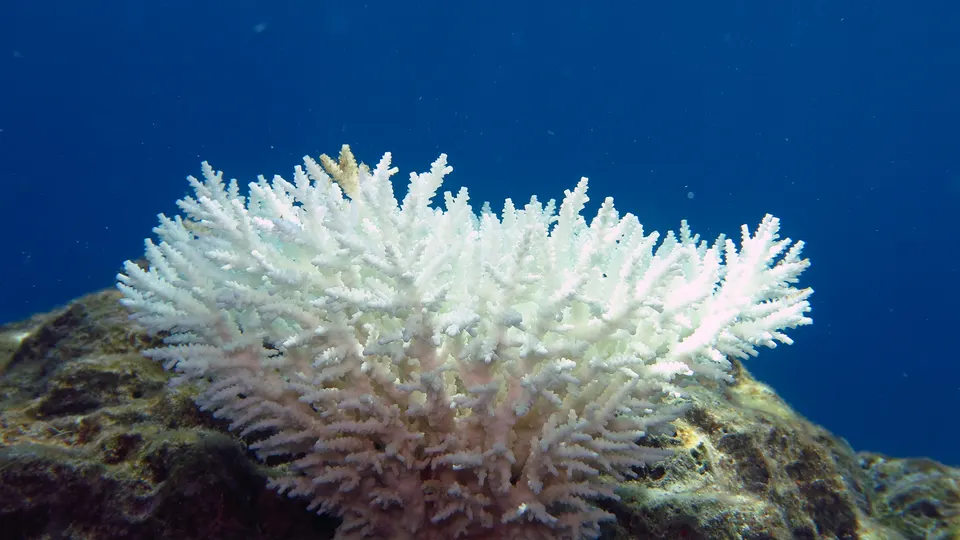
Bleaching is not instant death: the coral expels the algae that give it colour and food, and it can recover if the water cools in time. Con Dao has been through this before, in 1998, 2010 and 2016, and the park managed to restore coral afterwards, DTiNews reported. Nhan Dan quoted scientists warning that bleaching in southern Vietnamese waters has become more frequent over the past 20 years.
The latest news is encouraging. In late June 2026 park staff, WWF Vietnam and marine scientists dived at Hon Bay Canh and found many colonies bleached in 2024 regaining colour, with young corals settling between them and reef fish back, the Ministry of Agriculture and Environment reported on 10 July 2026 (MAE). The park now monitors 21 fixed sites, 14 of them reefs, and plans coral nurseries in areas that can regrow naturally. Expect a reef in recovery: some dead branches, some bright new growth.
What will you see underwater?
Con Dao’s waters are among the richest in Vietnam. The national park records 1,725 marine species, including 360 coral species and 205 species of reef fish, with Acropora and Porites among the dominant corals, and 11 of Vietnam’s 13 seagrass species.
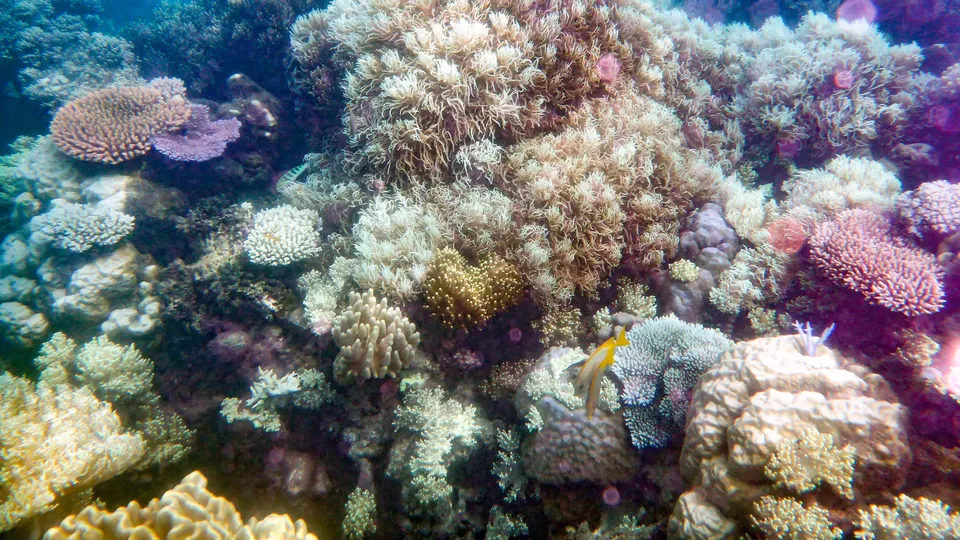
On a reef day, vietnam.travel mentions stingrays, barracuda, turtles, moray eels, batfish, clownfish and cuttlefish. The seagrass beds are home to a small number of dugongs, which the park counts among the islands’ rarest animals; you are very unlikely to see one, and that is how it should be. VnExpress International also mentions giant clams around Hon Tai. Look, but do not touch anything.
The park’s rules on the reef, and why they exist
Most of Con Dao’s sea lies inside the national park, so the reef is managed like a forest reserve. The rules below come from the park’s own route listings and its 2024 notices.
- Go with a guide: the park’s route descriptions require a guide from the national park or the local community on its island routes.
- No anchors on coral: boats tie up to the park’s mooring buoys and flags; anchoring on the reef is banned outright, the 2024 notice stressed (VOH).
- Small numbers: each route has a carrying capacity, about 48 visitors at a time by day on Bay Canh–Hon Cau and 45 at Dam Tre, so popular days sell out.
- Sites can close: from 1 July to the end of September 2024 the park suspended swimming and snorkelling at 21 sites, from Con Son bay to Hon Tai, Hon Bay Canh and Dam Tre, and kept only three open (Bai Giong on Hon Bay Canh, Bai Cat Lon on Hon Cau and the beach by the Hon Tre Lon ranger station). It could do so again after another heatwave.
- Do not stand on or touch coral, and do not take shells or coral: the park is protecting a reef that is still recovering, and many of its species are endangered.
The logic is simple: a bleached reef recovers faster when fewer boats, fins and anchors damage it, which is why the scientists who surveyed the 2024 bleaching recommended cutting snorkelling tours and fishing for the three months after it.
Before you go: a short checklist
A Con Dao reef day rewards a little planning around the wind and the park office.
- Book the day before through the national park’s ecotourism office (tel. 0983 830 669) or a tour operator, and ask which routes are running and whether any site is closed.
- Snorkel in the morning and keep a spare day in case the sea is rough, especially from October to March.
- Bring reef-safe sun protection, a rash vest and water; masks and snorkels are included on park routes, but bring your own if you prefer a good fit.
- Combine it well: pair a reef morning with the prisons in the afternoon, add a turtle night from April to November, and compare islands in our Phu Quoc or Con Dao guide.
- Plan the journey: flights from Ho Chi Minh City are the easy way in; see the South Vietnam hub for the rest of the region.
Frequently asked questions
Is the coral on Con Dao still alive after the 2024 bleaching?
Much of it is. The 2024 marine heatwave bleached 60–100% of the coral around Con Son and killed roughly 10–20% of it, but a survey by Con Dao National Park and marine scientists at Hon Bay Canh in late June 2026 found many bleached colonies regaining colour and young corals settling.
Can you snorkel on Con Dao in November or December?
Yes, but pick the reef by the wind. From October to March the north-east monsoon makes the sea east of Con Son rough, while the west and south-west coasts stay calmer, so ask the national park office which routes are running the day before and keep a spare day.
How much does a snorkelling trip on Con Dao cost?
On 22 November 2026 Con Dao National Park listed its reef trips from 670,000–2,700,000 dong (Bay Canh and Hon Cau, full day) up to 1,100,000–3,200,000 dong (Hon Ba, half day) per person. The price includes a park guide, the park fee, the boat, mask and snorkel; VAT and tips are extra.
Do I need a guide to snorkel in Con Dao National Park?
On the park's reef routes, yes. The national park's own route descriptions require a guide from the park or the local community, and boats must use the park's mooring buoys instead of anchoring on coral; swimming off the beaches in Con Dao town needs no guide.
Where is the best snorkelling on Con Dao?
Vietnam's national tourism site picks out the reefs at Hon Tai, Hon Bay Canh and Hon Cau, reached by boat, and Dam Tre bay in the north of Con Son. Which one is best on a given day depends on the wind, so let the park office suggest the calmest route.
Key sources
- Tour sinh thái biển (marine ecotourism routes: CDP 006, 007, 011, 015, 017) · Con Dao National Park (Vườn quốc gia Côn Đảo), checked 22 November 2026
- Giữ màu san hô Côn Đảo: Hồi sinh những 'cánh rừng' dưới biển · Ministry of Agriculture and Environment (mae.gov.vn), 10 July 2026
- San hô Côn Đảo bị tẩy trắng: Kiến nghị giảm khai thác thủy sản, dịch vụ lặn · Tuổi Trẻ, 10 June 2024
- Tìm biện pháp phục hồi san hô chết tại huyện Côn Đảo · Nhân Dân, 2024
- Tạm dừng hoạt động bơi lội, xem san hô tại một số địa điểm ở Côn Đảo · VOH, 28 June 2024
- Con Dao halts swimming and diving activities to protect coral · DTiNews (Dân Trí), 29 June 2024
- Kinh nghiệm du lịch Côn Đảo từ A đến Z · VnExpress, updated 4 February 2026
- Your beach break guide: Con Dao · Vietnam National Authority of Tourism (vietnam.travel)
All 13 sources and further reading
- Hòn Bà: bơi xem san hô (tour CDP 011) · Con Dao National Park, checked 22 November 2026
- Tham quan 02 đảo Bảy Cạnh – Hòn Cau (tour CDP 017) · Con Dao National Park, checked 22 November 2026
- Vịnh Đầm Tre (tour CDP 015) · Con Dao National Park, checked 22 November 2026
- Tài nguyên sinh vật biển Côn Đảo · Con Dao National Park
- Four best diving spots in Vietnam · VnExpress International, 17 June 2023
Keep exploring
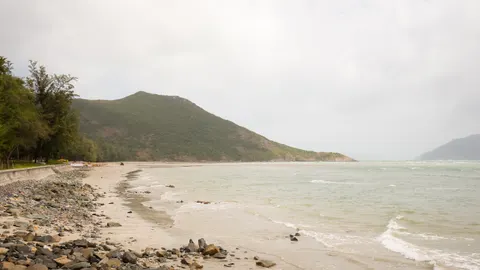 South Vietnam · Travel Con Dao (Côn Đảo): Is It Worth It? Prisons, Turtles, 3 Days Plan a respectful Con Dao trip: prison relics, night visits to Hang Duong cemetery, turtle season rules, a 2–3 day plan, where to stay and what runs when.
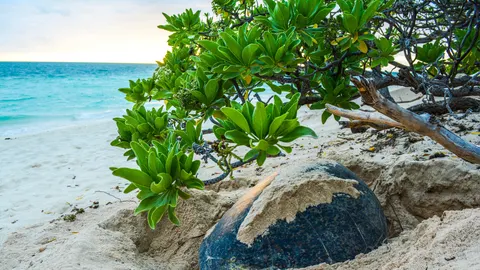 South Vietnam · Travel Con Dao Turtle Watching: Season, How to Book, Rules Con Dao turtle watching: the nesting season month by month, how to book a ranger-led night or hatchling release, official price ranges and the park's rules.
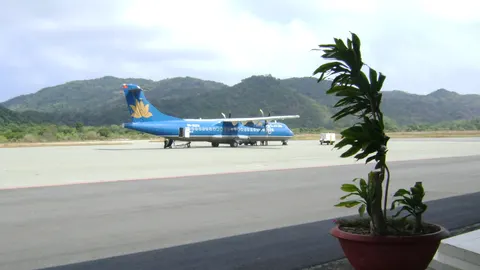 South Vietnam · Travel Getting to Con Dao (Côn Đảo): Flight or Ferry? Getting to Con Dao: flights from Saigon, Hanoi and Can Tho vs fast ferries from Tran De, Vung Tau and Saigon, with 2026 schedules, fares and rough-sea pauses.