South Vietnam · Culture
Con Dao Prison (Côn Đảo): History, Tiger Cages, How to Visit
Con Dao prison explained: what each camp was, the French and 1971 tiger cages, the debated death toll, and how to visit on the 60,000-dong ticket from Oct 2026.
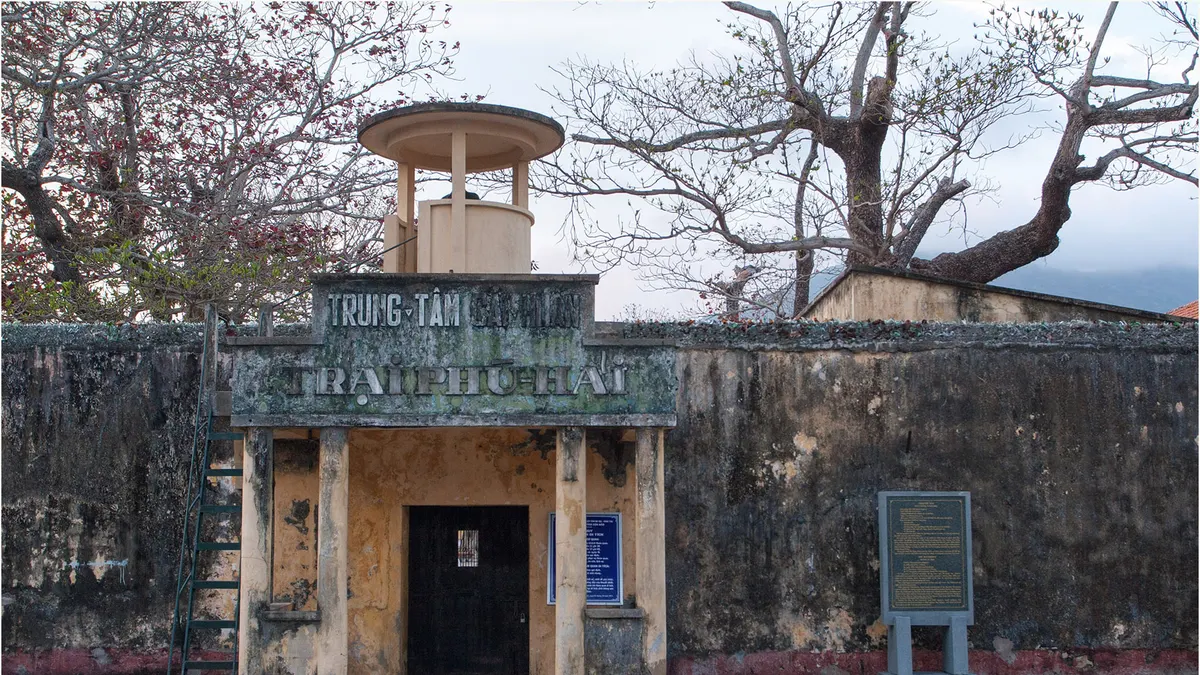
As of November 2026, the Con Dao (Côn Đảo) prison is a special national relic that you visit on a single ticket, 60,000 dong per person since 1 October 2026, and it covers 113 years of history: from a French decree of 1 February 1862 to the prisoners’ uprising of 1 May 1975. What you walk through today is not one jail but a cluster of camps, cell blocks and two sets of “tiger cages” in and around Con Dao town, on Con Son (Côn Sơn) island.
This page explains what each camp was, why the names are so confusing, what the numbers mean and how to see the sites in a sensible order. For the island trip itself (flights, the turtle season and where to stay), see our Con Dao guide and the South Vietnam hub.
Con Dao prison at a glance
Facts below come from Vietnam’s Department of Cultural Heritage, national press and the Ho Chi Minh City fee resolution, checked on 19 November 2026.
| Con Dao prison (Nha tu Con Dao) | |
|---|---|
| Where | Con Son island, Con Dao special zone, Ho Chi Minh City (Ba Ria–Vung Tau province until July 2025) |
| In use | 1862–1975: French colonial rule, then the Saigon government (Republic of Vietnam) |
| What survives | Camps 1–8 (Phu Tho, Phu Hai, Phu Son, Phu An, Phu Binh, Phu Hung and others), the French tiger cages, the governor’s house, Pier 914, cemeteries |
| Heritage status | National relic 1979 (17 component sites); special national relic since 10 May 2012 |
| Imprisonments / deaths | About 200,000 imprisonments and about 20,000 deaths (official estimates) |
| Ticket (from 1 Oct 2026) | 60,000 dong; free for children and students; half price for older visitors |
| Time needed | About half a day for the museum and the camps (Local Vietnam); Hang Duong cemetery in the evening |
How did Con Dao become a prison island?
The French made the archipelago a penal colony almost as soon as they took southern Vietnam. Governor Bonard of Cochinchina signed the decree establishing the Con Dao prison on 1 February 1862 (Bao Nghe An), and the first camp, later called Phu Hai, dates from the same year. Some English sources, including Wikipedia, give 1861; Vietnamese official sources use 1862.
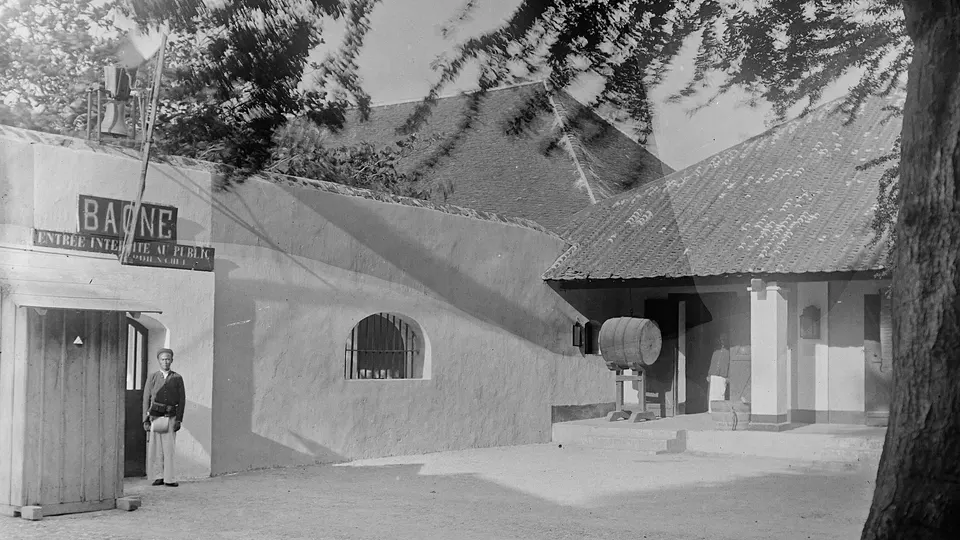
The camps grew in stages: Phu Hai was rebuilt in stone in 1896, Phu Son followed in 1916 and Camp 1 (Phu Tho) in 1928, the first two behind stone walls about 4 metres high. Prisoners also built the island’s infrastructure. Pier 914, begun in 1873, is named for the 914 prisoners who died building it, according to the heritage department. Between 1930 and 1945 the French cut a road to Ong Cau bay to stop escapes; its bridge at Ma Thien Lanh never got beyond two 8-metre piers, and Tuoi Tre writes that the work “swallowed” more than 300 lives.
From the 1930s the political prisoners included many future leaders of the Communist Party. After the French defeat in 1954 the prison passed to the Saigon government, which kept using it and enlarged it. Sources differ on the handover year: 1954 in most accounts, 1955 on the Con Dao tourism portal.
Which camp is which? Banh, Lao, Camp and “Phu” names
Most camps had three or four names, which is why older books, museum captions and today’s signs seem to describe different places. Prisoners called the French camps banh (from the French bagne) or lao; the Saigon government numbered them as camps and gave some of them slogans as names; the “Phu” names are the last ones used. Phu Hai, for example, only took that name in November 1974, according to the heritage department (Cuc Di san van hoa).
| Camp number | Other names | Built | What it was |
|---|---|---|---|
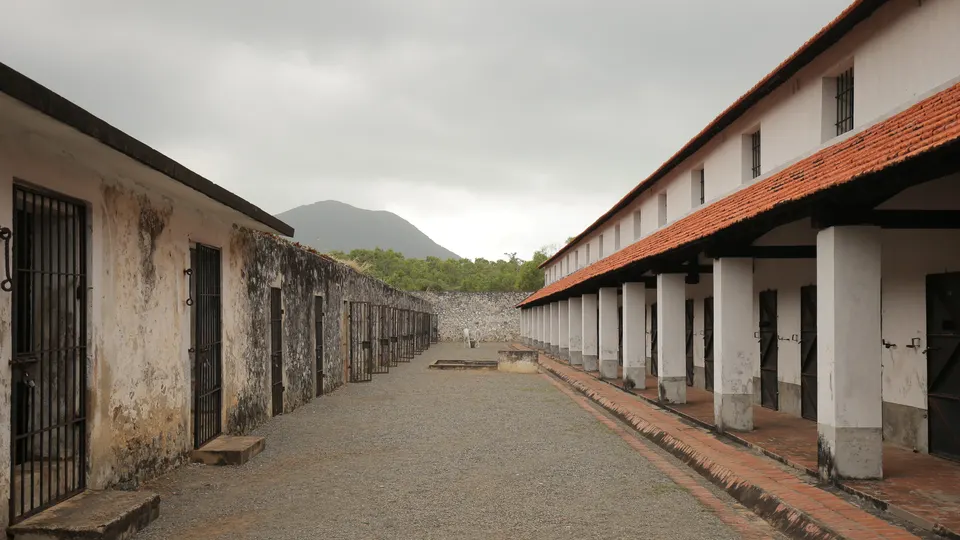
| Camp 2 – Phu Hai | Banh 1, Lao 1, Trai Cong Hoa | 1862, rebuilt 1896 | The oldest and largest French camp: 2 blocks of cells, 20 solitary cells, a chapel and a stone-breaking yard |
| Camp 3 – Phu Son | Banh 2, Lao 2, Trai Nhan Vi | 1916 | Next to Phu Hai: 13 large cells and 14 solitary cells |
| Camp 1 – Phu Tho | Banh 3, Lao 3, Trai Bac Ai | 1928 | Three cell blocks; in the American era cell 10 was split into 15 isolation cells the prisoners called the “chicken coop” |
| French tiger cages – Phu Tuong | Chuong cop Phap | 1940 | 120 cells with iron bars for a roof and 60 roofless “sunbathing” rooms |
| Camp 5 | – | 1962 | Built by the Saigon government next to the French tiger cages |
| Camp 6 – Phu An | – | Saigon era | Two compounds, A and B, inside a double fence |
| Camp 7 – Phu Binh | American-style tiger cages | 1971 | 384 concrete cells in blocks AB, CD, EF and GH |
| Camp 8 – Phu Hung | – | Saigon era | Ten cells in two rows behind barbed wire |
| Camp 9 | – | Unfinished | Construction stopped when the Paris Peace Accords were signed in 1973 |
The years and layouts come from the Department of Cultural Heritage’s listing file, except the years for Phu Tuong and Phu Binh, which come from Bao Lao Cai and the Con Dao tourism portal. Camp 4 is listed without a “Phu” name or a building date.
What were the tiger cages, and why are there two sets?
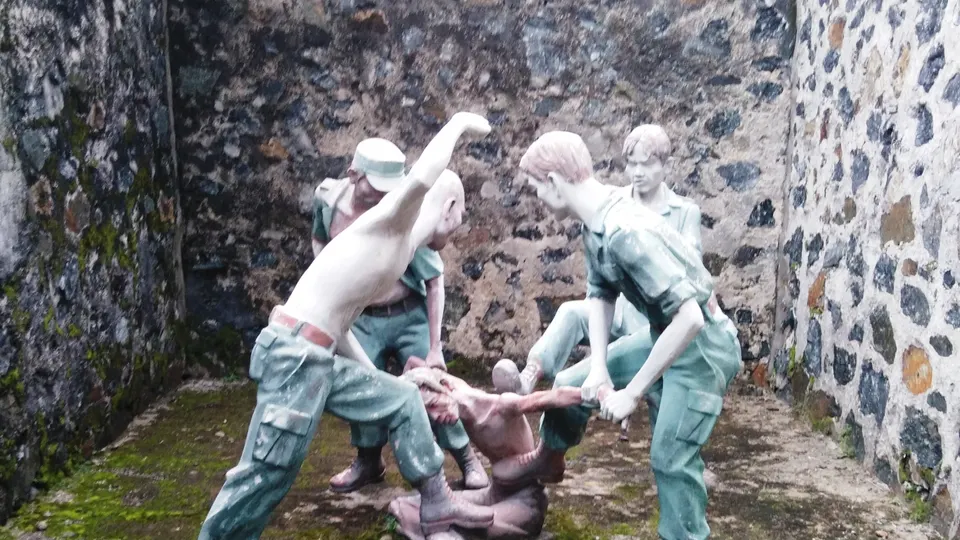
A “tiger cage” (chuong cop (chuồng cọp)) is an isolation cell with iron bars instead of a ceiling. Guards walked on a gangway above the cells, looked down on the prisoners and, according to Vietnamese accounts and the prisoners’ own testimony, beat them with poles and threw lime powder on them from above. The French built the first set at Phu Tuong in 1940: 120 cells in two rows, plus 60 roofless “sunbathing” rooms used for punishment.
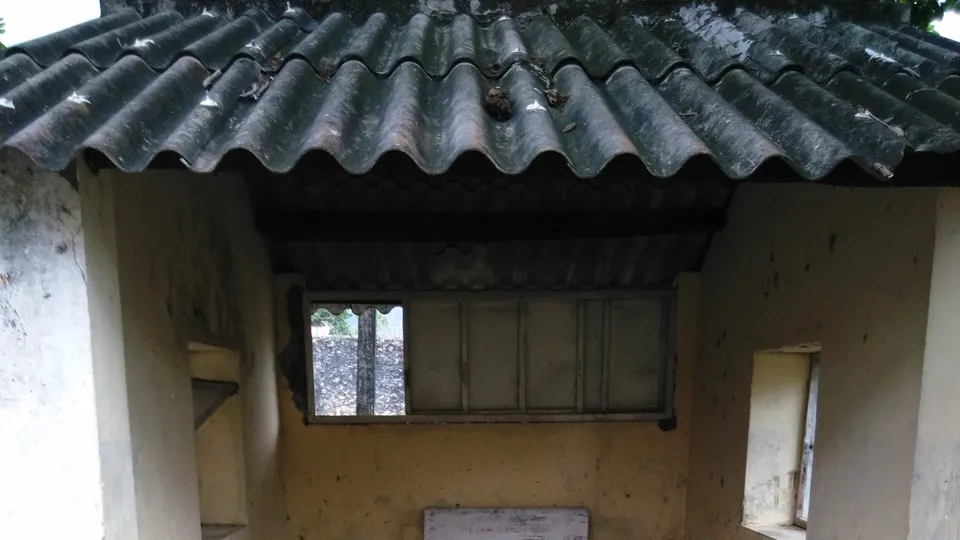
The Saigon government kept using the French cages, hidden between ordinary cell blocks. In July 1970 two US congressmen, Augustus Hawkins and William Anderson, visited the prison with their aide Tom Harkin and Don Luce, a journalist in Saigon who went as translator, and found the cages; Life magazine published Harkin’s photographs that month (Roll Call). Harkin later recalled “about 500 people in these cages”.
The response was not to close the system but to rebuild it. In 1971 a new camp, Phu Binh, opened with 384 smaller concrete cells in four blocks, and it became known as the American-style tiger cages; the Con Dao tourism portal says it was built under a US Navy contract. So the “French” cages are the older, darker building, and the “American” cages are the larger concrete compound: if you only have time for one, the French cages at Phu Tuong are the ones described in the 1970 reports.
Who was held on Con Dao, and how many died?
Many of the people who later led Vietnam passed through these camps. Phan Chau Trinh and Ton Duc Thang were held at Phu Hai, Bao Lao Cai notes; Pham Hung, Le Duc Tho, Ngo Gia Tu and Le Van Luong were held in cell 7 of the same camp in the 1930s, where prisoners produced a secret newspaper, Tien Len (“Forward”), Bao Nghe An reports. The revolutionary Le Hong Phong and the writer Nguyen An Ninh are buried in Hang Duong cemetery. Vo Thi Sau, a young resistance fighter, was executed on the island on 23 January 1952, and visitors still queue at her grave.
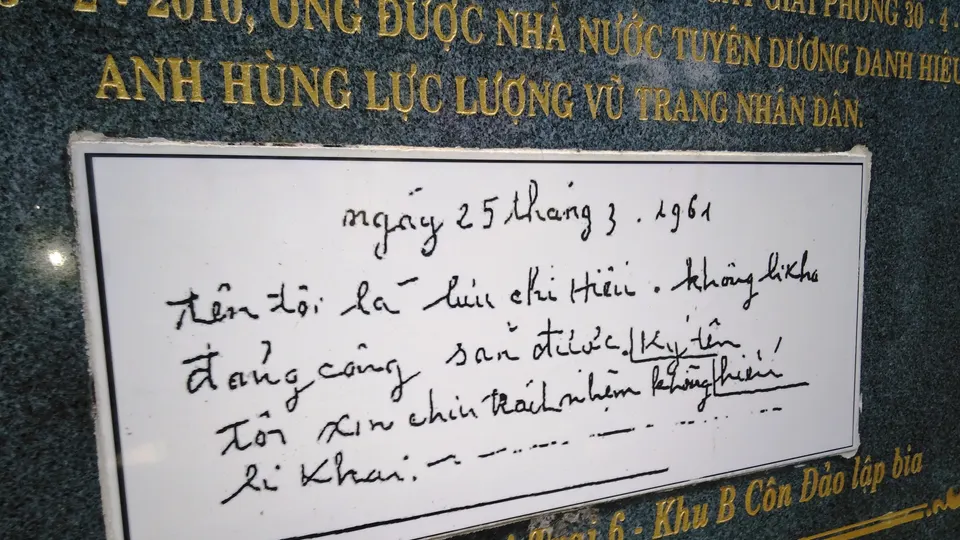
The numbers are estimates, and it helps to know what they count. SGGP, the Ho Chi Minh City party daily, gives about 200,000 imprisonments and about 20,000 deaths over the 113 years (SGGP); the first figure counts entries into the prison (luot), not individual people, so anyone jailed twice counts twice. The graves tell a smaller and more uncertain story. When Hang Duong was rebuilt in 1992 it was laid out in four sections with 1,903 graves, of which about 700 carry a name and the rest are unnamed; section D holds remains moved from the older Hang Keo and Hon Cau cemeteries. The gap between 1,903 graves and 20,000 dead reflects mass graves, earlier burial grounds such as the “skull beach” near the cow-shed isolation area, and the many dead who were never identified.
Most of what you will read on site, and in Vietnamese sources, tells this as a story of revolutionary sacrifice and resistance. That is the official and widely shared view in Vietnam. Accounts from the American side, such as Harkin’s, describe the same cells as a human-rights scandal of the war.
From prison to special national relic: 1975 to today
On the morning of 1 May 1975 the prisoners in the GH section of Phu Binh rose and took control of the island, ending the prison’s history, Bao Lao Cai reports. The camps were closed, and in 1979 the Ministry of Culture listed the Con Dao historical site as a national relic with 17 component sites. On 10 May 2012 the Prime Minister upgraded it to a special national relic (Decision 548/QD-TTg), among 13 sites raised to that rank that year, SGGP reported.
Today the relic belongs to Ho Chi Minh City: when Ba Ria–Vung Tau merged into the city on 1 July 2025, Con Dao became the city’s special zone (dac khu), and SGGP now describes the prison as being in “Con Dao special zone, Ho Chi Minh City”. Many Vietnamese visitors come in organised delegations, often with former political prisoners: one such group toured Phu Hai, Phu An and the governor’s house on 31 July 2026. The site is also used for commemorations. From 19 to 22 November 2026 the island hosts its second Con Dao Book Fair, and on the evening of 19 November a theatre piece based on wartime letters is staged inside Phu Hai camp (VTV).
If you have been to the War Remnants Museum in Saigon, you will have seen a reconstruction of a tiger cage; Con Dao is where the real ones stand. For other war sites near the city, see the Cu Chi Tunnels guide.
How to visit the Con Dao prison sites
Buy one ticket and see the camps in a single morning. The fee rose to 60,000 dong per person per visit on 1 October 2026, under a resolution the Ho Chi Minh City People’s Council passed on 27 August that set the same price for the city’s main museums and the Con Dao relic; children, students and people from poor and near-poor households go free, and older people and people with severe disabilities pay half (Bao Tin tuc). That is why prices online differ: the Vietnam Airlines guide still lists 40,000 dong and Local Vietnam’s March 2026 guide 50,000.
What one ticket covers is described differently by different guides: four sites in the Vietnam Airlines guide (Phu Hai, the French tiger cages, Phu Binh and the governor’s house), seven zones including the museum, Phu An and Phu Son in Local Vietnam’s. Local Vietnam also says tickets are sold at the Con Dao Museum rather than at each camp. Opening hours differ between guides too, and several mention a midday break, so check the times at the museum on the day.
| Order | Site | Why here | |---|---|---|---| | 1 | Con Dao Museum and the governor’s house (Nha Chua Dao) | Context in English before the camps (Local Vietnam allows 45 minutes to two hours); the governor’s house was home to 53 successive island chiefs | | 2 | Phu Hai and Phu Son | The oldest French camps, side by side; cell 7 at Phu Hai | | 3 | French tiger cages (Phu Tuong) | The cells exposed in 1970; you look down into them from the walkway above | | 4 | Phu Binh and Phu An | The 1971 “American” cages and the camp opposite | | 5 | Hang Duong cemetery | After dark, as many Vietnamese pilgrims visit; the island guide above covers the etiquette |
Go early, before the heat: the camps are open courtyards with little shade. Dress modestly, keep your voice low and do not climb on walls or touch the displays; many visitors are relatives of people who died here. If you are planning the trip, our guide to getting to Con Dao covers flights and ferries, and Phu Quoc or Con Dao compares the two islands.
Frequently asked questions
How much is the ticket for Con Dao prison in 2026?
Since 1 October 2026 the Con Dao prison relic charges 60,000 dong per person per visit, under a resolution passed by the Ho Chi Minh City People's Council on 27 August 2026. Children and students enter free, and older visitors and some other groups pay half.
Is Con Dao prison worth visiting if I only have one day?
Yes, if you are interested in modern Vietnamese history: the museum and the main camps fit into a morning, and Hang Duong cemetery can follow in the evening. Go early, because the camps are open-air and hot by midday.
What is the difference between the French and the American tiger cages on Con Dao?
The French tiger cages at Phu Tuong date from 1940 and have 120 cells with iron bars for a roof, plus 60 roofless 'sunbathing' rooms. The Phu Binh camp, built in 1971 after the cages were exposed in 1970, has 384 smaller concrete cells in four blocks and is called the American-style tiger cages.
How many people died in the Con Dao prisons?
Vietnamese official sources and national press give about 20,000 deaths between 1862 and 1975, out of about 200,000 imprisonments. The figure is an estimate: Hang Duong cemetery has 1,903 graves, and only about 700 of them carry a name.
Do I need a guide to visit Con Dao prison?
No, but it helps. Signs at the camps are short and mostly in Vietnamese, so either visit the Con Dao Museum first, read up beforehand or book a local guide who can explain each site.
Key sources
- Di tích lịch sử Nhà tù Côn Đảo · Cục Di sản văn hóa (Department of Cultural Heritage), Ministry of Culture, Sports and Tourism
- TP Hồ Chí Minh thông qua giá vé tham quan bảo tàng, di tích cao nhất 60.000 đồng · Báo Tin tức (VNA), 27 August 2026
- Tái hiện những lá thư thời chiến ngay tại Nhà tù Côn Đảo · VTV, 13 November 2026
- Hành trình trở về địa chỉ đỏ Côn Đảo · SGGP, 31 July 2026
- 13 di tích được xếp hạng di tích quốc gia đặc biệt · SGGP, 11 May 2012
- 'Hell on Earth' Con Dao · Báo Nghệ An (English edition)
- Huyền thoại Côn Đảo · Tuổi Trẻ, 24 July 2013
- Tom Harkin — From Tiger Cages to Pinochet · Roll Call, 1 December 2014
All 14 sources and further reading
- Từ 1/10/2026, TP. Hồ Chí Minh áp dụng mức phí tham quan mới, thống nhất tại các bảo tàng và di tích · HTV, 21 September 2026
- Những hình ảnh xúc động tại các nhà tù ở Côn Đảo · Báo Lào Cai, July 2017
- Tiger cages · Con Dao tourism portal (condao.com.vn)
- Come to Con Dao prison, listening to the echoes of history · Vietnam Airlines travel guide
- Con Dao Prison – History & Visiting tips · Local Vietnam, updated March 2026
- Côn Đảo Prison · Wikipedia
Keep exploring
 South Vietnam · Travel Con Dao (Côn Đảo): Is It Worth It? Prisons, Turtles, 3 Days Plan a respectful Con Dao trip: prison relics, night visits to Hang Duong cemetery, turtle season rules, a 2–3 day plan, where to stay and what runs when.
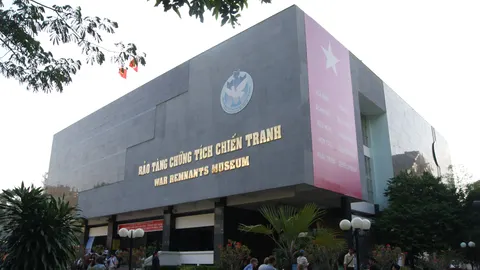 South Vietnam · Travel War Remnants Museum Saigon: What to Expect and How Long War Remnants Museum in Saigon: the official route floor by floor, 2–3 hours, whether to bring children, 60,000 dong tickets since October 2026, a half-day plan.
 South Vietnam · Travel Getting to Con Dao (Côn Đảo): Flight or Ferry? Getting to Con Dao: flights from Saigon, Hanoi and Can Tho vs fast ferries from Tran De, Vung Tau and Saigon, with 2026 schedules, fares and rough-sea pauses.