Central Vietnam · Travel
Phong Nha Travel Guide: Which Caves and a 2–3 Day Plan
Phong Nha caves compared, from the boat trip into Phong Nha Cave to Hang En and Son Doong, with a 2–3 day plan, flood months and transport from Hue.
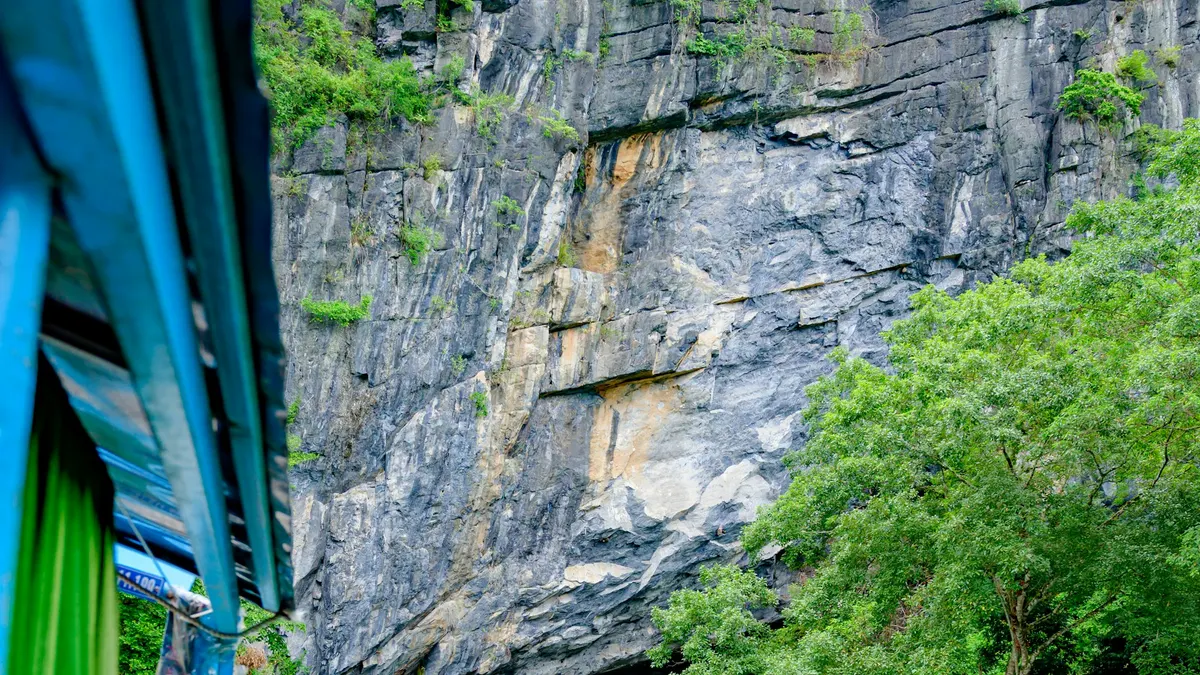
Phong Nha-Ke Bang (Kẻ Bàng) National Park, in the limestone mountains of Central Vietnam near the border with Laos, is the country’s great cave country. The question most visitors face is not whether to see a cave but which kind: a boat ride into a river cave that suits children and grandparents, a day of swimming through dark passages, a night camped inside one of the world’s largest caverns, or the six-day expedition to Son Doong (Sơn Đoòng). For most first-time visitors the answer is the show caves, open all year except on flood days, plus one guided adventure cave between about January and August; as of November 2026, Son Doong’s only licensed operator lists 2027 and 2028 as fully booked. UNESCO lists the park, together with Hin Nam No across the border in Laos, as a World Heritage site for its karst, caves and forests (UNESCO).
This guide sorts the caves by how you visit them and how fit you need to be, explains why this limestone is riddled with caves, sets out a two- and three-day plan, and is honest about the season: the big adventure trips stop when the autumn storms come. It sits within our Central Vietnam coverage and pairs well with a few days in Hue.
Phong Nha-Ke Bang at a glance
| Region | Central Vietnam, near the Laos border; Quang Tri (Quảng Trị) province since 1 July 2025 (formerly Quang Binh), Phong Nha commune |
| Known for | River and dry show caves, guided adventure caves, Son Doong expeditions, limestone forest |
| UNESCO | World Heritage 2003, extended 2015, transboundary with Laos’s Hin Nam No since 2025; World Biosphere Reserve 2026 |
| Cave types | Show caves (boat or walkway), adventure caves (guided, overnight), expedition (Son Doong) |
| Best time for adventure caves | Roughly December/January to August; most stop from September |
| How long to stay | Two nights minimum; three or four with an overnight cave trip |
| Getting there | Dong Hoi (Đồng Hới) airport or railway station, about 45 km away; daily tourist train from Hue to Tho Loc since August 2026 |
| Local food | Grass carp from the Son River (cá trắm sông Son), grilled chicken, banh bot loc (bánh bột lọc) |
Which Phong Nha cave is right for you?
Start with two questions: how much effort you want, and when you are travelling. The show caves need no fitness beyond climbing steps and can be visited on the day; everything else is a guided tour booked in advance, with age limits, fitness benchmarks and a season.
| Cave | Type | How you visit | Physical demand | Season |
|---|---|---|---|---|
| Phong Nha Cave (Dong Phong Nha (Động Phong Nha)) | Show cave, river | About 30 min by boat on the Son River, rowed into the cave, walk back through dry chambers; about 2.5 hours | Minimal: boat and walkway | Daily all year; stops on flood days |
| Tien Son (Tiên Sơn) Cave (Dong Tien Son (Động Tiên Sơn)) | Show cave, dry | Same boat landing, then a climb to a cave about 100 m above Phong Nha Cave | Nearly 600 stone steps | All year, weather permitting |
| Paradise Cave (Dong Thien Duong (Động Thiên Đường)) | Show cave, dry | 1 km wooden walkway inside; reached by a 1.6 km path or electric buggy plus a 500 m walk | Walking on paths and walkway | All year; stops when floods are forecast |
| Paradise Cave, 7 km tour | Adventure, dry | Guided one-day or overnight trek to a skylight deep in the cave | Not offered to under-16s, elderly people or those with health issues | Book ahead |
| Tu Lan (Tú Làn) caves | Adventure, wet | Guided trips from Tan Hoa (Tân Hóa) village with trekking, climbing and swimming through underground rivers | Strenuous; usually ages 12+ | Best March–August; avoid September–February |
| Hang En (Hang Én) | Adventure, overnight | 2 days, 1 night; about 25 km of trekking and wading; camp about 700 m inside the cave | Moderate; ages 16–70 with a fitness benchmark | December to mid-September |
| Hang Va–Nuoc Nut (Nước Nứt) | Adventure, technical | 2 days, 1 night; about 15 km of jungle trekking, river crossings, ropes and harnesses | Moderate; ages 16–70; groups of up to 10 | Operator lists December/January to August |
| Son Doong | Expedition | 6 days, 5 nights (3 nights camped) with the one licensed operator | Hardest: ages 18–70, proof of fitness; about 1,000 places a year | January to end of August |
If you have one day, the classic pairing is Phong Nha Cave by boat and Paradise Cave on foot: one wet, one dry, both accessible; our Paradise Cave vs Phong Nha Cave guide compares tickets, walking and the best order. If you want to feel what caving is like without committing to an expedition, Tu Lan and Hang En are the usual next steps, and Hang Va adds rope work. Son Doong is a separate decision measured in years of waiting and US$3,000 per person.
Why are there so many caves here?
The answer is time and water. UNESCO says the karst here began forming around 400 million years ago, in the Palaeozoic era, where the Annamite mountains meet the Central Indochina limestone belt. Over that span, rain and rivers have dissolved passages through the rock, and more than 220 kilometres of caves and underground waterways have been documented across the World Heritage property. UNESCO names Son Doong, and Xe Bang Fai on the Lao side, as containing the world’s largest documented cave passages.
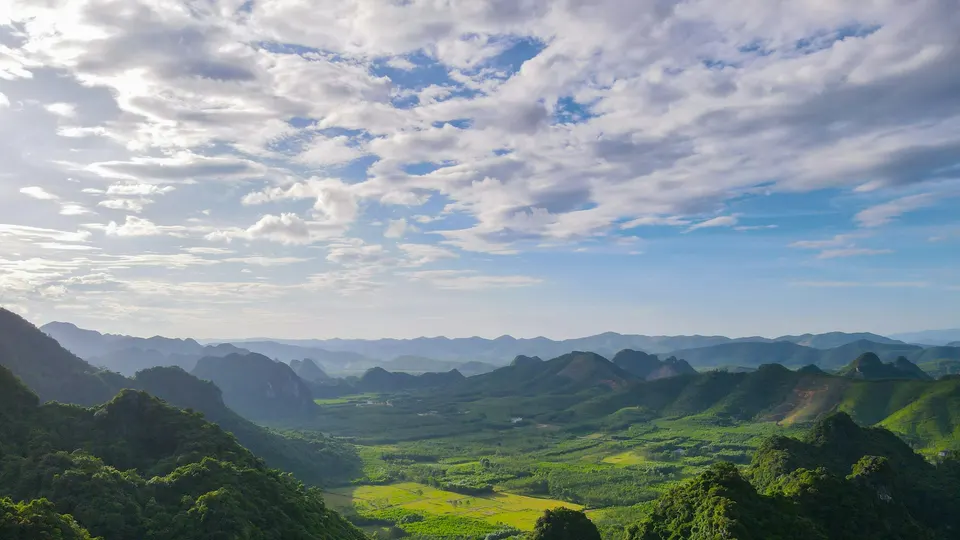
Recognition came in steps. Phong Nha-Ke Bang was first inscribed on the World Heritage List in 2003 for its geology and landforms; in July 2015 the World Heritage Committee, meeting in Bonn, recognised it again for its biodiversity and landscape and enlarged the protected area from 85,754 to 126,236 hectares (Tuoi Tre News). In July 2025 the committee, at its 47th session in Paris, joined it with Hin Nam No National Park in Laos to create what the Vietnamese government called the first transboundary natural World Heritage site in Southeast Asia. In June 2026 UNESCO’s Man and the Biosphere council added the wider area as the Phong Nha–Ke Bang Biosphere Reserve, covering 515,830 hectares, according to Vietnam (Việt Nam) News.
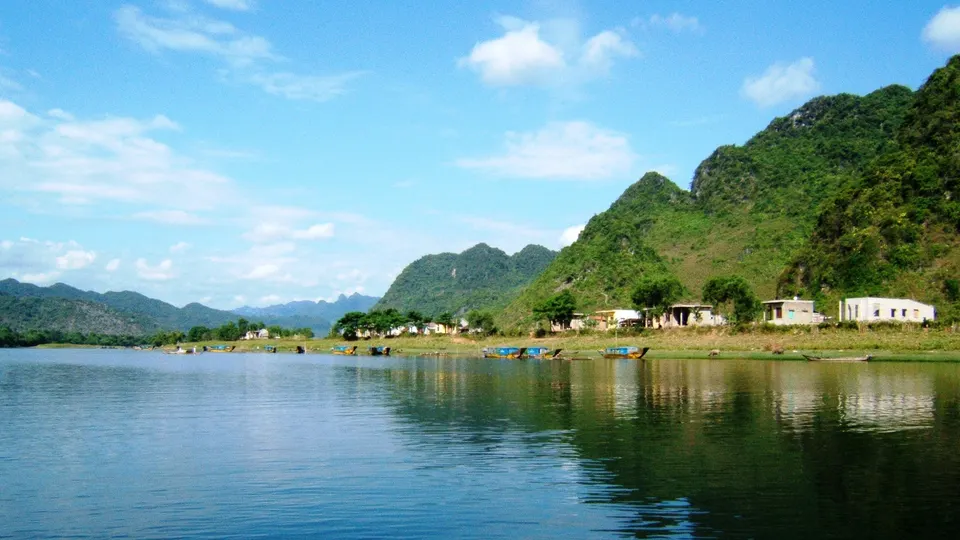
Above ground, this is forest, not open water. UNESCO records more than 2,700 species of vascular plants and 800 vertebrate species in the Vietnamese park. That is the useful contrast with the northern karst you may already know: at Ninh Binh limestone towers rise out of rice paddies, and at Ha Long Bay out of the sea, while Phong Nha’s limestone forms forested mountains along the border, with most of its drama underground.
What are the show caves like?
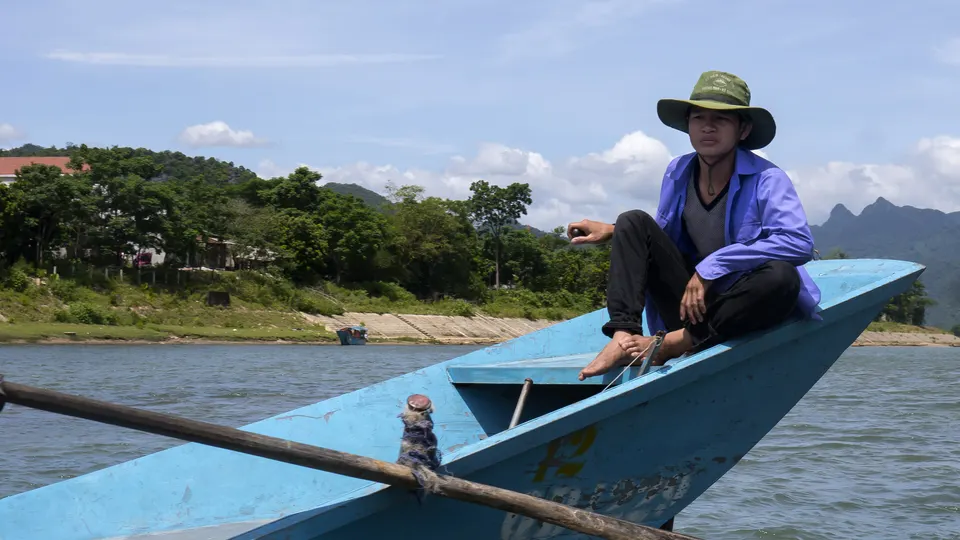
The three show caves are where most visitors go, and they suit almost anyone. Phong Nha Cave is a river cave. Boats leave the landing for about 30 minutes down the Son River, then cut their engines at the cave mouth and are rowed roughly 1,200 metres along the underground river. Visitors return on foot through two dry branches, Tien (Tiên) Cave and the Royal Palace Cave, on a raised walkway. The park lists daily opening hours for summer and winter, and notes the river runs jade green in the dry season and reddish in the rains (Phong Nha-Ke Bang National Park).
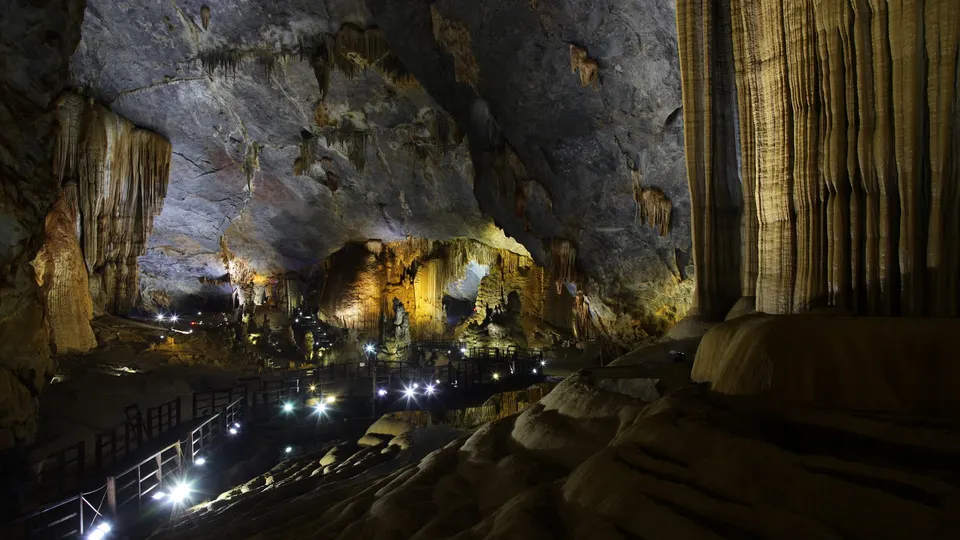
Tien Son Cave sits halfway up the same mountain, about 100 metres above Phong Nha Cave and close to its entrance. It is dry, about 980 metres long, and reached by nearly 600 stone steps; the park says visitors currently go about 400 metres in because the terrain beyond is hazardous. Locals knew it by 1935; it opened to tourists in 2000 and reopened in December 2023 after three years of upgrades, which added a glass bridge outside, according to a report carried by Bac Ninh (Bắc Ninh) TV.
Paradise Cave (Thien Duong (Thiên Đường)) is a different experience: a dry cave about 30 km from Phong Nha Cave along the western Ho Chi Minh (Hồ Chí Minh) Road. The park gives its total length as 31.4 km. It was found in 2005 by British cavers, and the Vietnam National Authority of Tourism says a wooden walkway of more than a kilometre was built inside. That first kilometre is what most visitors see; the 7 km guided tour to a skylight called Heaven’s Well is an adventure trip with age and health limits.
These sites are busy. The park’s management board counted more than 155,000 visitors in the first three months of 2026, and Tuoi Tre (Tuổi Trẻ) News reported crowds seeking the cool air of Phong Nha Cave during the May 2026 heatwave. Arriving early helps.
Adventure caves or Son Doong: which trip fits you?
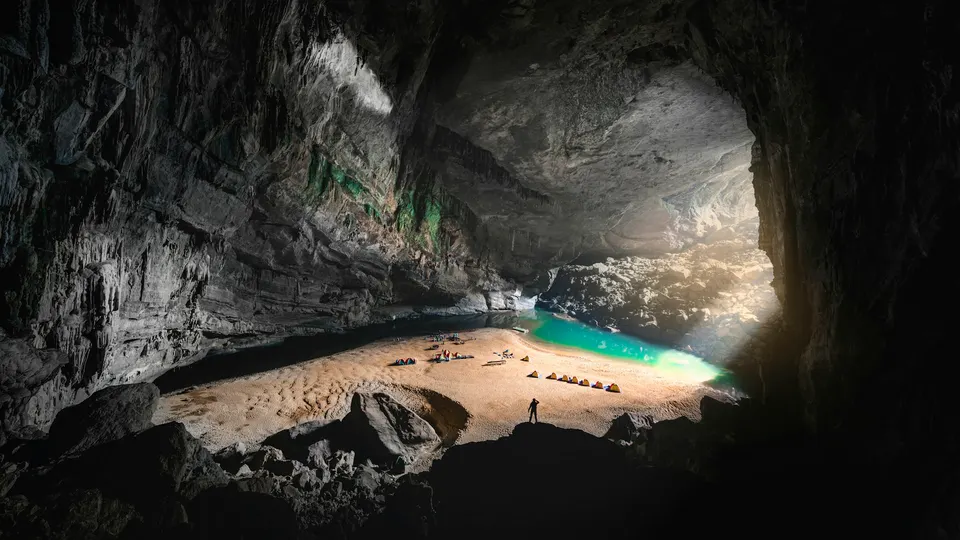
Adventure caves are visited only on guided tours, with age limits, fitness benchmarks and small groups, and they are where you get wet, sleep in a hammock or tent and see caves without lighting or handrails. The choice comes down to three things: how many days you have, whether you want to swim or climb, and whether you can wait years. This is the short version; our Son Doong cost and booking guide has the full prices, fitness tests and booking steps for Son Doong and the operator’s other multi-day trips.
| If you want… | Choose | What it involves | Who it suits |
|---|---|---|---|
| A day of swimming through dark caves | Tu Lan day trip | Trekking, climbing and swims through underground rivers from Tan Hoa (Tân Hóa) village | Ages 12+; best March–August |
| One night inside a giant cave | Hang En | 2 days, 1 night; about 25 km of trekking and wading; camp about 700 m inside the cave | Ages 16–70; a 5 km run in 45 minutes |
| Ropes, harnesses and formations | Hang Va–Nuoc Nut | 2 days, 1 night; about 15 km of jungle trekking, river crossings and rope traverses | Ages 16–70; groups of up to 10 |
| The world’s largest cave passage | Son Doong | 6 days, 5 nights; jungle treks, river crossings, nights camped in the cave | Ages 18–70 with proof of recent multi-day treks; booked to end of 2028 |
Tu Lan is a group of caves about 70 km north-west of Phong Nha. Its signature is swimming: underground rivers that need life jackets, some swims of several hundred metres in total darkness, plus trekking and climbing. Vietnam Airlines’ guide suggests it for ages 12 and up and recommends March to August, avoiding the September–February rainy season because of flood risk (Vietnam Airlines).
Hang En (Swallow Cave) is often described as the world’s third-largest cave, and it is the closest most people get to Son Doong: the Son Doong expedition passes through it on its first day. The operator’s two-day tour stops for lunch at Ban Doong (Bản Đoòng) village, is limited to 16 guests and runs from December to mid-September. Hang Va and Hang Nuoc Nut (Hang Nước Nứt) are the technical option; the park describes thousands of cone-shaped stalagmites standing in calcite-rich pools in Hang Va, possibly shaped during flood seasons. The operator’s season dates for Hang Va vary between December, January and February starts, ending in August, so check when you book.
Oxalis Adventure, the Phong Nha company licensed for Son Doong, runs all of these trips (Hang Va exclusively, according to the park); some other agencies resell them. Vietnam News, reporting from a Tu Lan trip, described river crossings, steep limestone climbs and crawling inside caves, and warned that “the climbing isn’t for the faint-hearted”. Take the fitness benchmarks seriously, and if you cannot meet them, the show caves above need none.
Can you visit Son Doong, and how was it found?
Yes, but few people do. Local man Ho Khanh (Hồ Khanh) stumbled on an opening in a limestone cliff in 1990 while looking for food and timber in the forest. He did not go back until 2008, when he retraced his steps, and in 2009 Howard and Deb Limbert of the British Cave Research Association documented the cave with him. That first official survey concluded it was the largest cave in the world. The cave is about 9 km long, and Dan Tri says some sections rise as high as a 65-storey building.
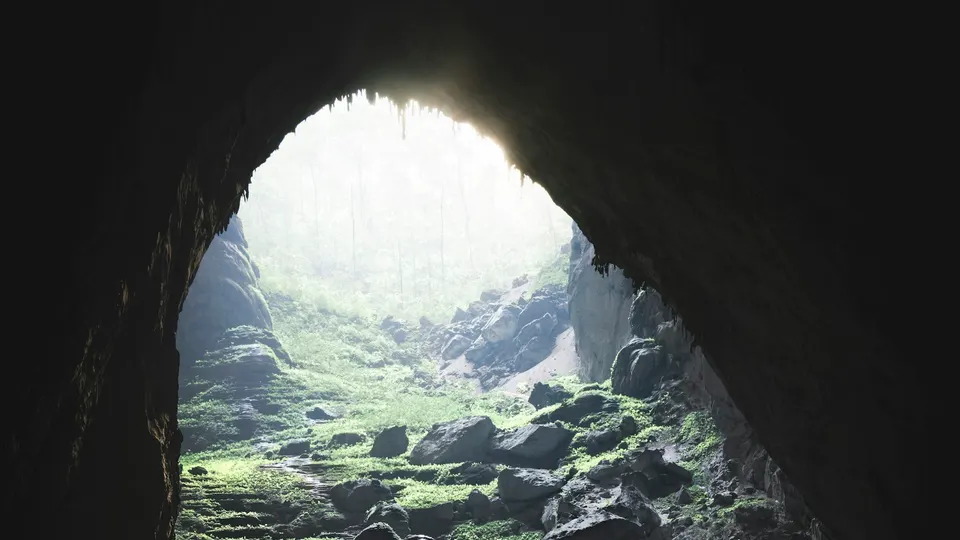
Access is deliberately limited, and only Oxalis is licensed to take visitors in. When we checked on 14 November 2026, its page listed a six-day, five-night expedition for ages 18–70, with three nights camped (one in the forest and two inside the cave) and hotel nights before and after, at US$3,000 (80 million dong) per person, running from January to the end of August (Oxalis). Numbers are capped at about 1,000 a year, and in September 2026 Cong an Nhan dan (Công an Nhân dân) reported that every place to the end of 2028 had been booked; the operator’s own page says 2027 and 2028 are full. Applicants must pass theory and practical fitness tests, the operator told Dan Tri (Dân Trí) earlier in 2026.
If Son Doong is out of reach, Hang En gives you a night in the same karst, and the photographs from inside Son Doong are as close as most people will get. The limit exists to protect the cave; the Son Doong guide linked above explains what the price covers, how the online application works and the cancellation terms.
How many days do you need? A two- and three-day plan
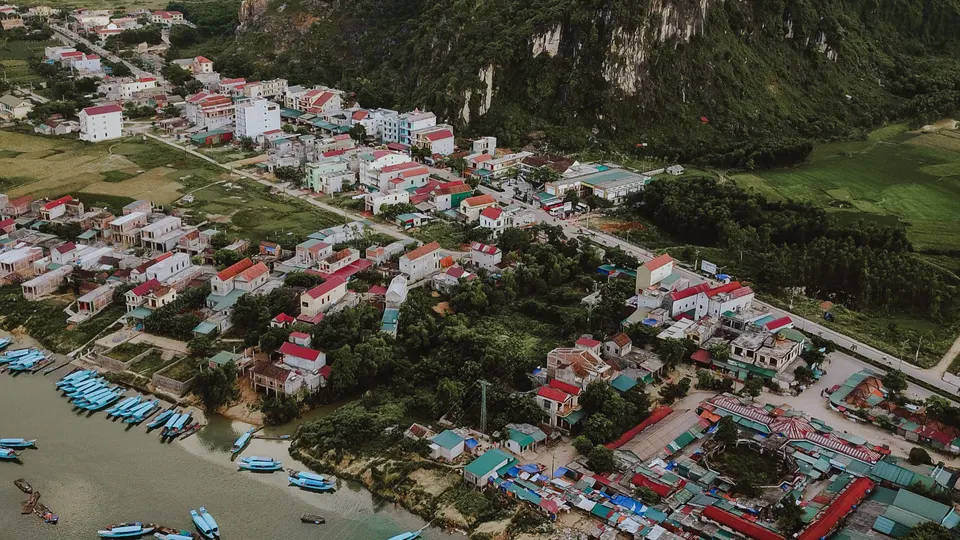
Plan on at least two nights based in Phong Nha village, the riverside strip of guesthouses and restaurants by the boat landing for Phong Nha Cave, which VnExpress puts along about 3 km of the Son River bank. With only one night, most of your time goes on the road from Dong Hoi or Hue, and Oxalis advises arriving the day before any tour if you come by train or plane.
| Nights | What fits | Good for |
|---|---|---|
| 1 | Phong Nha Cave by boat and Paradise Cave | A quick stop between Hanoi and Hue, arriving the evening before |
| 2 | Day 1 show caves; day 2 river and forest, the Dark Cave or a Tu Lan day trip | Most first-time visitors |
| 3–4 | Add Hang En or Hang Va (2 days, 1 night) | Fit travellers who want a night in a cave |
Day 1: the show caves. Take an early boat up the Son River to Phong Nha Cave (allow about 2.5 hours with the walk back) and, if your knees allow, climb the steps to Tien Son, which starts from the same landing. After lunch, drive about 30 km to Paradise Cave for its kilometre of walkway. Both sites draw big crowds, so go early.
Day 2: river and forest, or your first wet cave. For an easy day, VnExpress suggests the national park’s botanic garden, where the walk to Gio Waterfall (thac Gio) takes a little over an hour, then a Son River cruise past fish-farming villages and grass carp for lunch. For something more active, the Chay River and Dark Cave (Hang Toi) combine a zip line into the cave, a swim and a mud bath, Oxalis says; our Dark Cave guide explains the ticket packages, limits and whether it is worth it. Or you can join a one-day Tu Lan trip.
Day 3 and 4: a night in a cave. Use them for Hang En or Hang Va, booked ahead and only in season. From September to November, keep a spare day in any plan: floods can stop the boats and close caves at short notice. Many travellers then continue south to Hue, then over the Hai Van Pass to Da Nang.
When should you go, and which months flood?
Plan around the rains. In this part of Central Vietnam, tropical storms from September to November bring heavy rain that can flood the forest and the river caves for days; December and January mix sunny spells with cold, rainy days. For that reason the Son Doong expedition stops from September to December, as do most of the wet adventure caves, although some dry caves in the Tu Lan area may still run (Oxalis); the operator’s Hang Tien cave day trek is listed as year-round.
| Months | Weather around Phong Nha | What is open |
|---|---|---|
| December–January | Some sunny days but many cold, rainy ones | Show caves; Hang En and Hang Va start; Son Doong from late January |
| February–April | Usually clearer; a cold front can still chill early March | Show caves and most adventure caves |
| May–August | Hot: some days above 36–37°C outside, about 22–25°C inside Son Doong | Everything in season, but a storm can still close sites for a day or two |
| September–November | Tropical storms and heavy rain; floodwater can stay high for up to a week | Son Doong and most wet caves closed; show caves stop on flood days |
The show caves stay open through the year, but the park management board’s rules require visits to Phong Nha Cave and Paradise Cave to stop when prolonged rain or floods are forecast, and tour companies must monitor flooding with local ranger stations, according to Bao Van hoa (Báo Văn hóa). Even in summer, rain over the border can change the river: in July 2026 heavy rain upstream in Laos turned the Son River muddy for days, and swimming was suspended at the Chay (Chày) River and Hang Toi (Dark Cave) area, while boat trips to Phong Nha and Tien Son continued, Tuoi Tre reported. Storms do not always wait for September: in late August 2019 the province closed Phong Nha-Ke Bang, Paradise Cave and the Tu Lan area while a tropical depression passed, Znews reported, and on 10 October 2026 heavy rain covered fords and low crossings in villages around Phong Nha, according to Tien Phong. Oxalis’s travel tips put the main rainy season from about mid-September to mid-November. If your dates fall between October and December, our Phong Nha rainy-season guide shows which caves and tours still run, month by month.
Safety in practice: check the forecast and confirm on the day if rain is heavy; respect closures and age limits; on wet tours wear the life jackets you are given; and choose an adventure trip only if you can meet the operator’s fitness benchmark. Inside Son Doong the temperature stays at about 22–25°C in summer, according to Oxalis.
What to eat around Phong Nha
We did not find enough independent, recent sources to recommend individual eateries to our standard, so this section sticks to dishes. The one to look for is grass carp from the Son River (cá trắm sông Son), raised in cages along the river in villages such as Xuan Son (Xuân Sơn) and Xuan Tien (Xuân Tiến) since the early 2000s, when villagers turned to fish farming as forest resources ran down. Tien Phong (Tiền Phong) says it is grown for three to four years and served as fish cakes, braised with galangal, stewed with sour bamboo shoots or grilled (Tien Phong).
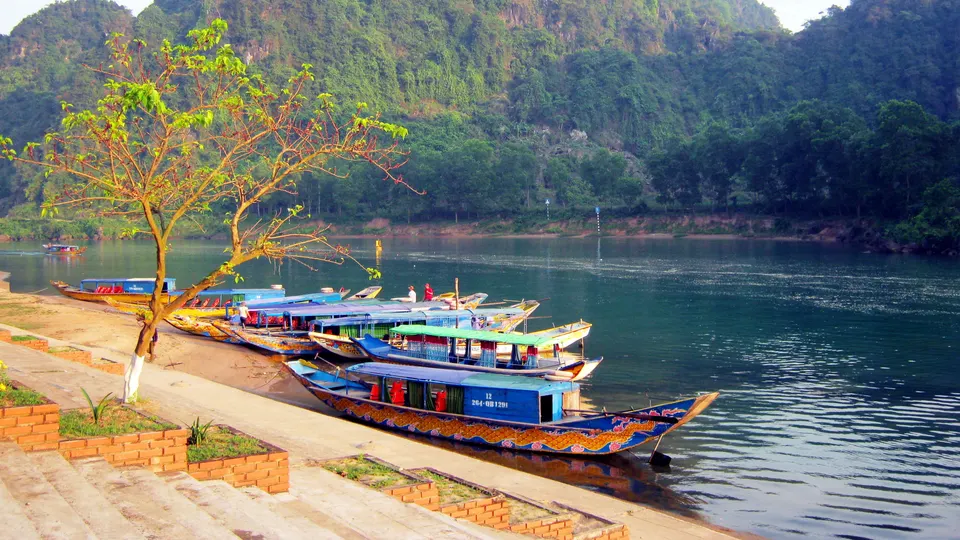
VnExpress’s 48-hour itinerary adds breakfasts of chao canh (cháo canh) (a thick noodle soup) and banh bot loc (chewy tapioca dumplings) by the riverside, where Western food and coffee are also served, and lunches of grilled chicken. It advises booking ahead and confirming the exact address with the restaurant. Around 30 April – 1 May, riverside villages hold a contest for the finest Son River carp.
How do you get to Phong Nha from Hue, Dong Hoi or Hanoi?
The gateway is Dong Hoi, about 45 km east of Phong Nha, a drive of about 45 minutes according to Oxalis. Dong Hoi has the nearest airport and a station on the main North–South railway; from either you need a taxi, local bus or pre-booked transfer for the last leg, and Oxalis notes that many long-distance buses now stop in Phong Nha itself. Times below come from the operator and press reports dated in the table; schedules change, so check before you book.

| From | Options | Time and source |
|---|---|---|
| Dong Hoi (airport or station) | Taxi, local bus or private transfer | About 45 km, roughly 45 minutes by car (Oxalis, checked November 2026) |
| Hue | Tourist train HQ2 to Tho Loc station; main-line train to Dong Hoi plus transfer; evening bus | Train: leaves Hue 07:15, arrives Tho Loc 11:55, return 13:15, back in Hue 17:25 (launch timetable, August 2026). Main line to Dong Hoi about 3 hours; bus about 4.5 hours (Oxalis) |
| Hanoi | Flight to Dong Hoi; overnight sleeper bus; overnight train to Dong Hoi | Flight about 1 hour 5 minutes; Vietnam Airlines twice daily, and a daily Sun PhuQuoc Airways flight announced from 16 August 2026. Sleeper buses leave about 18:00–19:30 and arrive about 05:00–06:00 (Oxalis) |
| Da Nang or Hoi An | Train or bus via Da Nang | About 7 hours (Oxalis) |
From Hue by train. The tourist train “Cố đô Huế – Phong Nha” was launched at Dong Hoi station on 28 August 2026 and runs daily on a 190 km route via Dong Ha, My Trach and Dong Hoi to Tho Loc (Thọ Lộc), the station the railway presents as the gateway to the national park, Bao Thanh tra (Báo Thanh tra) reported. Neither that report nor VietnamPlus mentions an onward shuttle, so arrange a transfer from Tho Loc to your hotel or tour in advance. Because the train arrives just before noon, it suits a plan that starts with Paradise Cave in the afternoon or a rest day; it does not leave time for a same-day return with the caves. For the main-line trains, see our Reunification Express guide, and our Hue itinerary helps you fit Phong Nha in before or after Hue.
From Hanoi. Flying is quickest. In July 2026 Dai bieu Nhan dan (Đại biểu Nhân dân) reported that Sun PhuQuoc Airways would add one round trip a day between Hanoi and Dong Hoi from 16 August 2026, alongside the existing Vietnam Airlines flights; the overnight sleeper bus saves a hotel night but delivers you before dawn.
The name on the map has changed. Under Resolution 202/2025/QH15, Quang Binh merged into Quang Tri province from 1 July 2025, with its administrative centre in Dong Hoi (LuatVietnam); the park’s address is now Phong Nha commune. Older guides and maps that say “Bố Trạch district, Quảng Bình” mean the same place.
Before you go: book adventure caves and the Hue train ahead, keep a spare day from September to November, check the forecast the evening before a boat or cave trip, and pick an adventure cave only if you meet its age and fitness limits.
Frequently asked questions
Which Phong Nha cave should I see if I only have one day?
Most first-time visitors combine the boat trip into Phong Nha Cave with Paradise Cave (Thien Duong), which sits about 30 km away by road. Together they show a river cave and a dry cave without any special fitness.
Can I book Son Doong for next year?
Probably not. In September 2026 every Son Doong place to the end of 2028 was reported booked, with about 1,000 places a year, so new applicants are looking at 2029 or later. Hang En, Hang Va and Tu Lan are shorter guided cave trips in the same karst.
How many days do you need in Phong Nha?
Two nights is a sensible minimum: one full day for Phong Nha Cave, Tien Son and Paradise Cave, and a second for the botanic garden, the Dark Cave or a Tu Lan day trip. Add one or two nights for an overnight cave such as Hang En or Hang Va.
Are the Phong Nha caves open in the rainy season?
The show caves have year-round opening hours but stop taking visitors when long rain or floods are forecast. The multi-day adventure caves pause from about September, when tropical storms can flood forests and caves for days.
Is Phong Nha in Quang Binh or Quang Tri province?
Both names are correct for different dates. Phong Nha was in Quang Binh until 30 June 2025; since 1 July 2025 Quang Binh and Quang Tri have formed a single province named Quang Tri, with its administrative centre in Dong Hoi.
Key sources
- Phong Nha-Ke Bang National Park and Hin Nam No National Park · UNESCO World Heritage Centre
- Vietnam's Phong Nha-Ke Bang park gets 2nd UNESCO recognition as world heritage · Tuổi Trẻ News, 4 July 2015
- Phong Nha – Kỳ quan đệ nhất động (Phong Nha Cave) · Phong Nha-Kẻ Bàng National Park Management Board (phongnhakebang.vn)
- Exploring Tu Lan Cave in One Day · Vietnam Airlines travel guide
- Weather and climate inside Son Doong Cave and the Phong Nha area · Oxalis Adventure (operator)
- Son Doong Expedition Tour (6 days, 5 nights) · Oxalis Adventure (licensed operator), checked 14 November 2026
- Cá trắm sông Son: 'Đặc sản' nuôi lớn miền di sản Phong Nha · Tiền Phong, 10 May 2026
- Resolution 202/2025/QH15 on the reorganization of provincial-level administrative divisions · LuatVietnam (text of the National Assembly resolution)
All 38 sources and further reading
- UNESCO recognized first transboundary natural World Heritage site in Southeast Asia · Government of Viet Nam news portal (baochinhphu.vn), 14 July 2025
- UNESCO names Phong Nha–Kẻ Bàng a World Biosphere Reserve · Việt Nam News, 6 June 2026
- Tiên Sơn Cave · Phong Nha-Kẻ Bàng National Park Management Board (phongnhakebang.vn)
- Thiên Đường (Paradise) Cave · Phong Nha-Kẻ Bàng National Park Management Board (phongnhakebang.vn)
- Hang Va – Hang Nước Nứt: a different experience · Phong Nha-Kẻ Bàng National Park Management Board (phongnhakebang.vn)
- Thien Duong Cave · Vietnam National Authority of Tourism
- Central Vietnam cave reopens to visitors after three years · Bắc Ninh TV (English), 20 December 2023
- Tourists flock to Phong Nha Cave amid central Vietnam heatwave · Tuổi Trẻ News, 28 May 2026
- Tu Lan cave tour offers glimpse into mystical underground world · Việt Nam News, 13 June 2014
- Camp at one of the world's largest caverns in Vietnam · TTG Asia, 4 June 2021
- Hang En Adventure Cave Camp · Oxalis Adventure (operator)
- Một điểm đến ở Phong Nha - Kẻ Bàng đã được đặt kín chỗ đến năm 2028 · Công an Nhân dân (CAND), 21 September 2026
- Son Doong tours sold out through 2027 · Dân Trí International, 31 March 2026
- Google Doodle celebrates discovery of world's largest cave · The National, 14 April 2022
- Celebrating Sơn Đoòng Cave (Doodle, 14 April 2022) · Google Doodles
- Tours of world's largest cave Son Doong resume · VietnamPlus (VNA), 22 May 2020
- Phong Nha – Kẻ Bàng đảm bảo an toàn cho du khách trong mùa mưa lũ · Báo Văn hóa, 17 July 2018
- Thủ phủ du lịch Phong Nha lao đao vì sông Son đục ngầu bất thường · Tuổi Trẻ, 15 July 2026
- 48 giờ ở Phong Nha · VnExpress, 16 June 2023
- Tỉnh Quảng Trị mới có 78 đơn vị hành chính cấp xã · Báo Văn hóa, 29 June 2025
- Quảng Bình: tên huyện, thị được giữ lại thành tên xã, phường · Báo Văn hóa, 27 April 2025
- Phong Nha travel tips (transport, rainy season, activities) · Oxalis Adventure (operator)
- Khai trương đoàn tàu du lịch 'Cố đô Huế – Phong Nha: Hành trình di sản thế giới' · Báo Thanh tra, 28 August 2026
- Đoàn tàu du lịch kết nối Huế với Phong Nha hoạt động từ tháng 9/2026 · VietnamPlus (VNA), 31 July 2026
- Mở hai đường bay kết nối Hà Nội, Quảng Trị, Khánh Hòa · Đại biểu Nhân dân, 17 July 2026
- Quảng Trị: Mưa lớn gây ngập nhiều ngầm tràn ở Phong Nha · Tiền Phong, 10 October 2026
- Quảng Bình đóng cửa tất cả điểm du lịch phòng bão lũ · Znews, 30 August 2019
- Arrival and departure guide to Phong Nha · Oxalis Adventure (operator)
- Vận hành tuyến tàu Huế – Phong Nha từ ngày 28/8/2026 · Báo Thanh tra, 31 July 2026
- Phong Nha (commune) · Wikipedia (background only)
Keep exploring
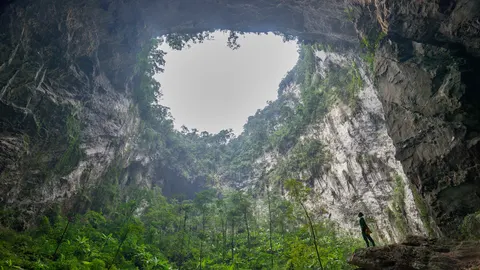 Central Vietnam · Travel Son Doong Cave (Sơn Đoòng): Cost, Fitness and How to Book Son Doong is only open on Oxalis's licensed expedition: US$3,000, ages 18–70, fitness tests, late Jan–Aug, sold out to 2028. How to book and cheaper cave trips.
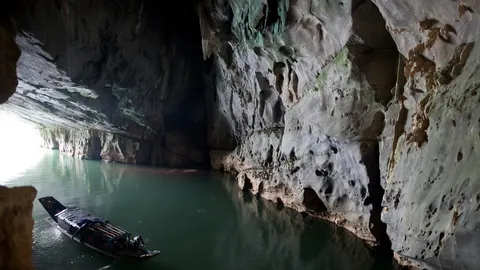 Central Vietnam · Travel Paradise Cave vs Phong Nha Cave: Which One to Visit? Paradise Cave or Phong Nha Cave? Compare the boat-entry river cave and the dry boardwalk cave: walking, time, 2026 tickets, flood closures and both in one day.
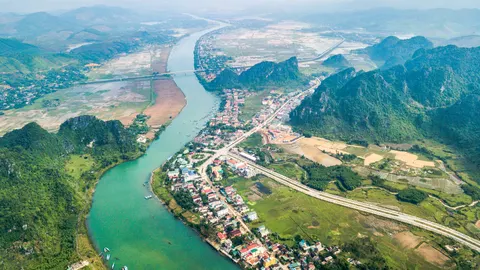 Central Vietnam · Travel Is Dark Cave Worth It? Hang Toi (Hang Tối) Zipline and Mud Is Dark Cave (Hang Toi) in Phong Nha worth it? 2026 packages, the zipline, swim and mud bath step by step, who it suits, flood closures, Dong Hoi transport.
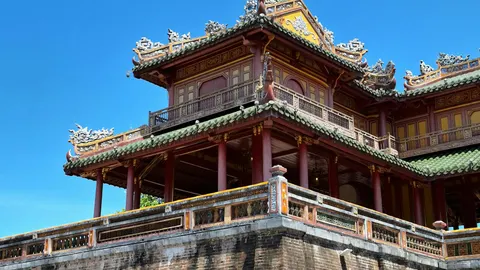 Central Vietnam · Travel Hue (Huế): How Many Days, What to See, 2026 Tickets How many days Hue needs, which Citadel sights and royal tombs to pick, 2026 ticket prices, the flood months to avoid and where to eat in the old royal capital.
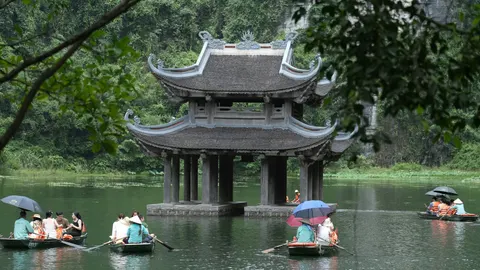 North Vietnam · Travel Ninh Binh (Ninh Bình): How Many Days, Boats and Tickets Ninh Binh: how many days you need, Trang An or Tam Coc boats, 2026 ticket prices, when the rice turns gold, the Hoa Lu capital, what to eat and a 2-day plan.