Central Vietnam · Travel
Nha Trang to Da Lat: Bus or Car, and Is Khanh Le Pass Open?
Nha Trang to Da Lat as of November 2026: day bus vs car with driver, the Khanh Le pass night closure 18:00–05:00, the Phan Rang detour and why not to fly.
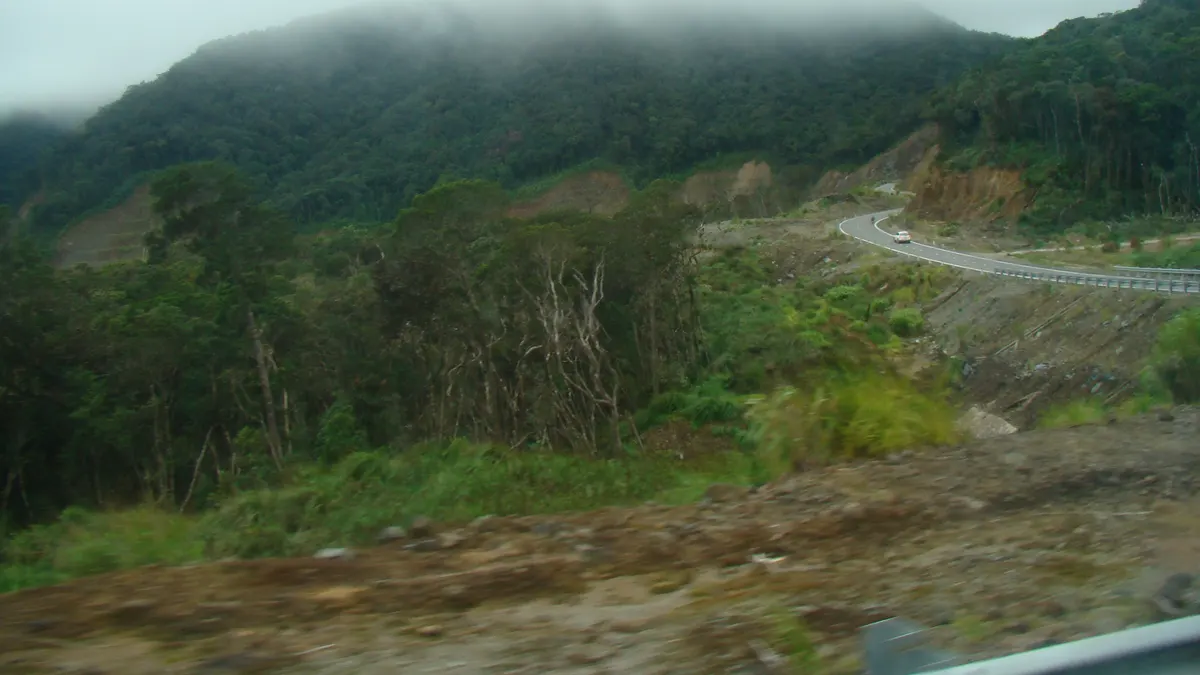
Take a daytime bus or limousine van from Nha Trang to Da Lat (Đà Lạt) if you are travelling alone or as a couple, and hire a car with driver if you are three or more or want to stop on the way; there is no direct flight and no train. As of 11 November 2026, the Khanh Le (Khánh Lê) pass on National Route 27C, the short road between the two cities, is closed to all traffic from 18:00 to 05:00 every night for the rainy season, so plan a morning or early-afternoon departure (Tuoi Tre). The trip takes about three and a half to four hours by this road.
For what to do once you arrive, start with our Da Lat travel guide; for the coast you are leaving, see our Nha Trang guide. This page compares the options, explains the pass closures of 2025 and 2026 and the longer road via Phan Rang, then gives a step-by-step plan. Both cities belong to our Central Vietnam hub.
Nha Trang to Da Lat at a glance: which option suits you?
Times are one way. The direct road is about 120 to 135 km: VnExpress gives National Route 27C a length of 121 km, and Vietnam Airlines’ travel guide says 135 km. Fares change with season and operator, so treat them as a guide.
| Option | Time (source) | Cost reported (source, date) | Effort | Best for | Watch out |
|---|---|---|---|---|---|
| Day bus or limousine van via Khanh Le | 3.5–4 hours (Vietnam Airlines guide, 2025) | 175,000–250,000 dong a seat (Vietnam Airlines guide, 2025) | Low: a seat and a fixed schedule | Solo travellers and couples | Must cross the pass between 05:00 and 18:00 (Nov 2026); carsickness on the bends |
| Private car with driver via Khanh Le | About 3.5–4 hours plus stops | 1.2–1.5 million dong for a 4-seat car, 1.4–1.8 million for 7 seats, one way (Vietnam Airlines guide, 2025) | Lowest: door to door | Groups of three or more, families, photo stops | Agree the route, stops and tolls in writing |
| Self-drive car or motorbike | Similar, if conditions are good | Fuel only | High: 33 km of steep bends, fog and roadworks | Experienced mountain riders, dry season only | Fog, rockfall, 30-minute work stops (Oct 2026) |
| Long way via Phan Rang and the Ngoan Muc pass (National Route 27) | 4–5 hours (Vietnam Airlines guide, 2025) | Higher fare or fuel; expressway tolls | Moderate | Evening travel while the night closure applies; days the Khanh Le pass is shut | About 179 km, and the Ngoan Muc pass can also close in storms |
| Fly | No direct flight; connections only | Vietnam Airlines’ lowest one-way economy fare shown for January 2027 dates: about 2.3 million dong (checked 22 Nov 2026) | High for a short distance | Almost nobody | Takes longer than the road once you add the change of plane |
Our verdict: for most travellers, a morning bus or van over the Khanh Le pass is the right choice in the dry season; a car with driver wins once three people share it. In October to December, keep a day spare and check the pass on the morning you travel.
Is the Khanh Le pass open? The night closure and 2026 repairs
The Khanh Le pass is open by day but closed at night. On 11 November 2026 the police of Nam Khanh Vinh commune announced that, under a document from Khanh Hoa’s Department of Construction, all people and vehicles are barred from the pass from 18:00 to 05:00 the next morning, and that drivers who need to travel in those hours should take National Route 27 instead (Bao Xay Dung, 11 November 2026).

The closure has a history. The record rains of November 2025 caused about 100 landslides on the pass, more than 50 of which blocked it completely, and on the night of 16 November 2025 rocks fell on a coach, killing six people and injuring 19, VnExpress reported. The pass reopened by day on 24 December 2025 for cars of up to 16 seats and light trucks, and from 13 February 2026 all vehicles, coaches included, were allowed through between 05:00 and 18:00 (SGGP). In June 2026, more than seven months after the landslides, cars were still barred at night (Thanh Nien).
Repairs are still going on. Khanh Hoa approved a project of nearly 125 billion dong to repair eight damaged sites between Km 26 and Km 65 of National Route 27C, with works scheduled from 8 June to 5 October 2026, Thanh Nien reported. By 13 September 2026 the repairs were about 40–50% complete (VnExpress), and on 23 October 2026 the provincial road maintenance board said traffic was being stopped in rounds of about 30 minutes while crews cleared and netted the slopes, with most of the work expected to be finished in November (VOH). Tuoi Tre wrote on 11 November 2026 that the works had been planned for early October but were still under way because new, complex landslides had appeared.
What this means for you: the pass itself is about 33 km of the route, and in the rainy season, which in Khanh Hoa peaks in October and November according to VnExpress, it can close at short notice after heavy rain. Travel by day, avoid the road during and just after heavy rain, and allow for short work stops.
By bus or limousine van: what to expect
The bus is the default way to make this trip, and the national tourism site describes buses from Nha Trang as the way to reach Da Lat by road. Vietnam Airlines’ travel guide, published in 2025, gives a fare of 175,000 to 250,000 dong and a journey of 3.5 to 4 hours, and lists large operators such as Phuong Trang next to smaller limousine-van companies, some offering hotel pick-up (Vietnam Airlines).
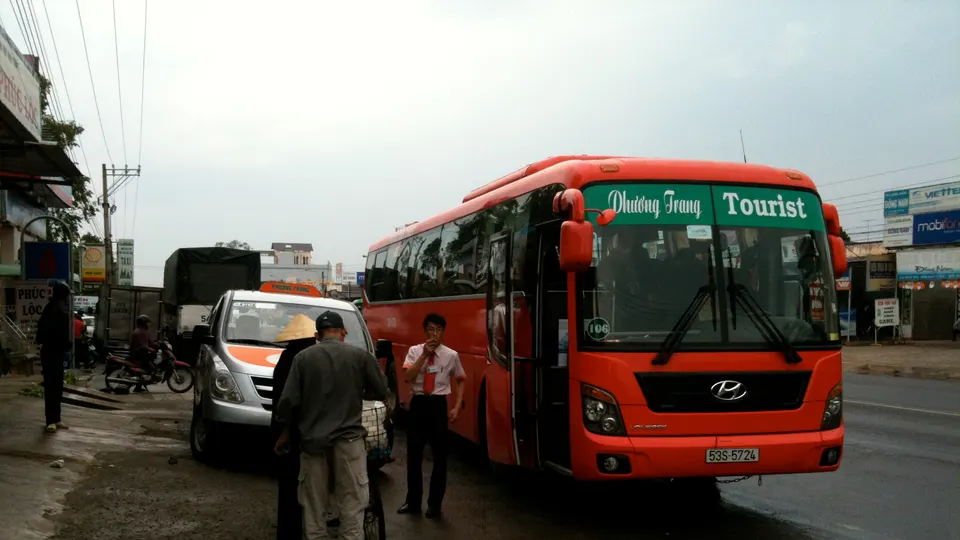
- Large coaches run to fixed timetables from the operators’ stations and offices. The coach hit in November 2025 was a Phuong Trang sleeper travelling overnight, which is why night departures over the pass are the first thing to check today.
- Limousine vans (9 to 15 seats) are quicker on the bends and often collect you from your hotel in the city centre, but have little luggage space.
- Departure times: while the night closure applies, a service over the Khanh Le pass has to be clear of it by 18:00. If a ticket shows an evening or overnight departure, ask the operator which road it takes; it may go the long way via Phan Rang.
- Booking: book on the operator’s own app or website, at its office, or on a booking app; around Tet and long weekends, book a few days ahead.
By private car with driver, or driving yourself
A car with driver is the most comfortable option and, shared by three or four people, costs little more per person than the bus. Vietnam Airlines’ 2025 guide quotes 1.2 to 1.5 million dong one way for a 4-seat car and 1.4 to 1.8 million dong for a 7-seat car, including fuel, tolls and the driver; ask for a written quote, since prices move.
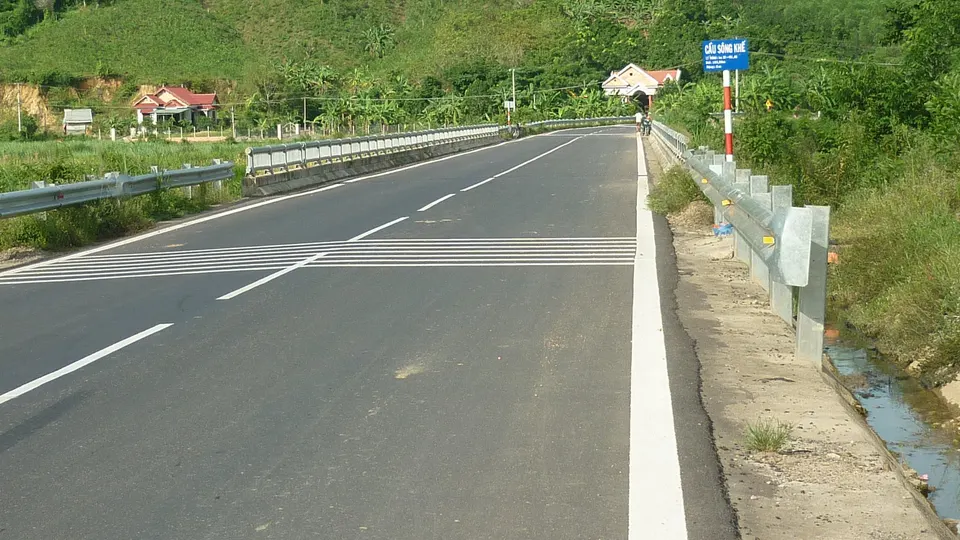
The road is the reason to choose a car. Drivers on the route told VnExpress International that fog on the Khanh Le pass can stay thick until about 8 a.m. on some days and roll down onto the road as early as 3 p.m. on others, cutting visibility to a few metres (VnExpress International). The same report says the route over Khanh Le is nearly 50 km shorter than the alternative via Cam Ranh and the Song Pha pass and avoids expressway tolls, which is why drivers prefer it.
- Agree before you go: pick-up time, the route (Khanh Le or Phan Rang), photo stops, who pays tolls and the drop-off address in Da Lat.
- Leave in the morning: it gives you the clearest views, time in hand before the 18:00 closure, and a margin for work stops.
- Driving yourself: only for experienced mountain drivers or riders, in dry weather. The pass has hundreds of bends and steep gradients, and roadworks narrow the road in places.
Can you fly or take the train from Nha Trang to Da Lat?
No: there is no direct flight and no railway. Vietnam Airlines’ own guide says there is no direct route because the distance is short, and that the railway from Nha Trang to Da Lat no longer runs. Its booking page for Nha Trang (Cam Ranh airport) to Da Lat (Lien Khuong airport) still showed fares, but the cheapest one-way economy fare for January 2027 dates was about 2.3 million dong when we checked on 22 November 2026, about ten times the bus fare, for a trip that involves changing planes.
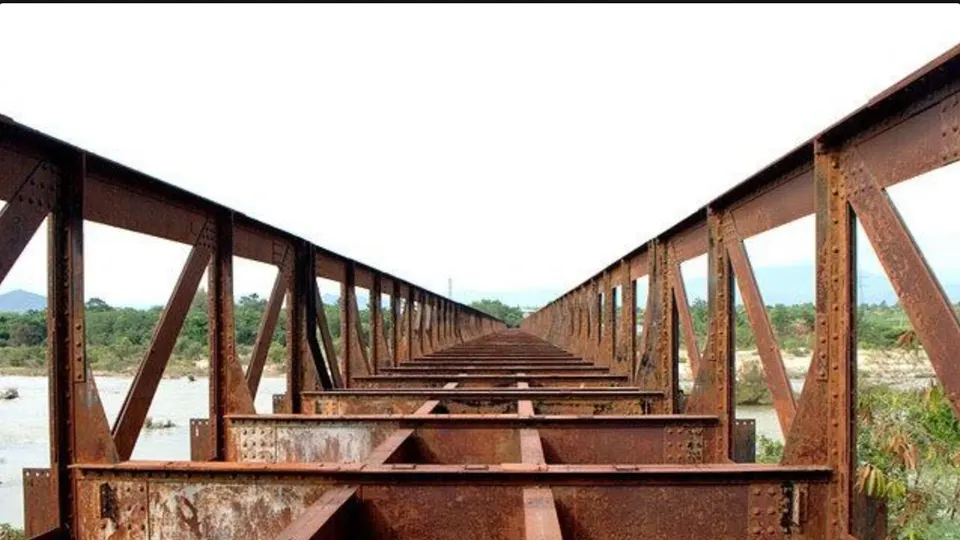
Da Lat’s airport, Lien Khuong, is about 30 km from the city, with flights from Hanoi and Ho Chi Minh City, according to the national tourism authority (Vietnam Tourism). Flying only makes sense if you are coming from those cities: our guide to getting from Saigon to Da Lat covers that route. The old mountain railway that once climbed from the coast to Da Lat no longer runs, as Vietnam Airlines’ guide notes; the photo above shows one of its abandoned bridges.
The long way: via Phan Rang and the Ngoan Muc pass
When the Khanh Le pass is closed, the usual detour runs south to the Phan Rang area and climbs to the plateau on National Route 27 over the Ngoan Muc pass, also called the Song Pha pass. Vietnam Airlines’ guide puts this route at about 179 km and 4 to 5 hours, and it is the road the authorities point drivers to during the night closure. Phan Rang was in Ninh Thuan province, which on 1 July 2025 was merged into Khanh Hoa under Resolution 202/2025/QH15, so road signs and news now give Khanh Hoa for both ends of the detour.
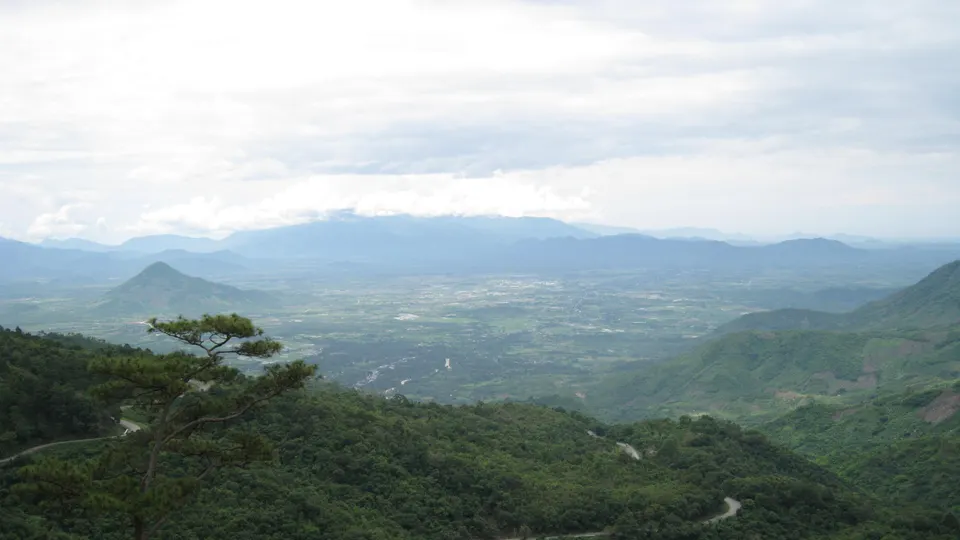
The detour is not storm-proof. On 16 and 17 November 2025 the Ngoan Muc pass also had landslides and was closed at the same time as Khanh Le, and VnExpress described three longer ways round through the former Binh Thuan province, on National Routes 55, 28 and 28B, using the coastal expressway first (VnExpress). If both passes close, waiting a day is often the better plan.
A step-by-step plan for the trip
This is the plan for a daytime trip over the Khanh Le pass, the right choice for most people.
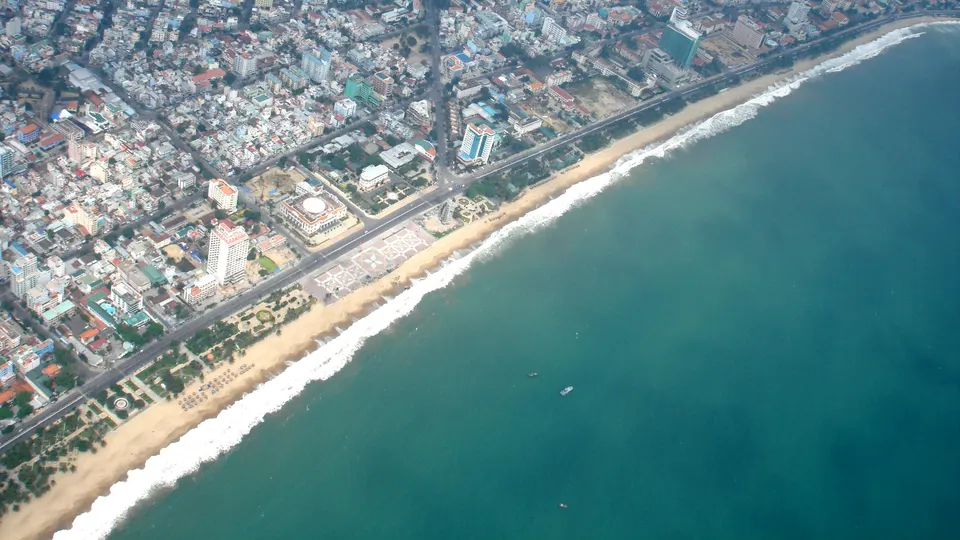
- The day before: check the news for the Khanh Le pass and the weather in Khanh Hoa and Lam Dong. If heavy rain is forecast, move the trip or book the car via Phan Rang.
- Book a morning departure: a bus, a van with hotel pick-up, or a car with driver leaving in the morning. Vietnam Airlines’ guide also advises leaving early to avoid the afternoon fog on the pass.
- Pack for the cold: Da Lat is far cooler than Nha Trang; keep a warm layer and something for carsickness within reach.
- On the road: expect the climb to start after Khanh Vinh, with possible stops of about 30 minutes at the repair sites while the works continue.
- Arrive in Da Lat early in the afternoon: check in and spend the evening in the centre. For a day-by-day plan in the city, see our Da Lat itinerary for 2 or 3 days.
- Coming the other way: the same rules apply from Da Lat to Nha Trang; leave in the morning so you are off the pass well before 18:00.
Common mistakes on the Nha Trang–Da Lat trip
Most problems on this route come from old information and the weather.

- Booking a night bus without checking the road. Overnight services cannot use the Khanh Le pass during the 18:00–05:00 closure, so they take the longer road or do not run that way.
- Trusting an old timetable. Guides written before November 2025, or during the full closure, may show night departures or no service at all. The pass reopened to all vehicles by day only on 13 February 2026 (SGGP).
- Travelling right after heavy rain. The deadly landslide of 16 November 2025 came after a long spell of heavy rain. Our Vietnam weather by month guide shows when the rains fall on this coast.
- Planning a flight. There is no direct flight; a connection through another city takes longer and costs far more than the road.
- Leaving too late in the day. Afternoon fog and the evening closure both argue for a morning start.
Before you go: a checklist and what will change
Run through this before you pay, and recheck on the morning you travel.
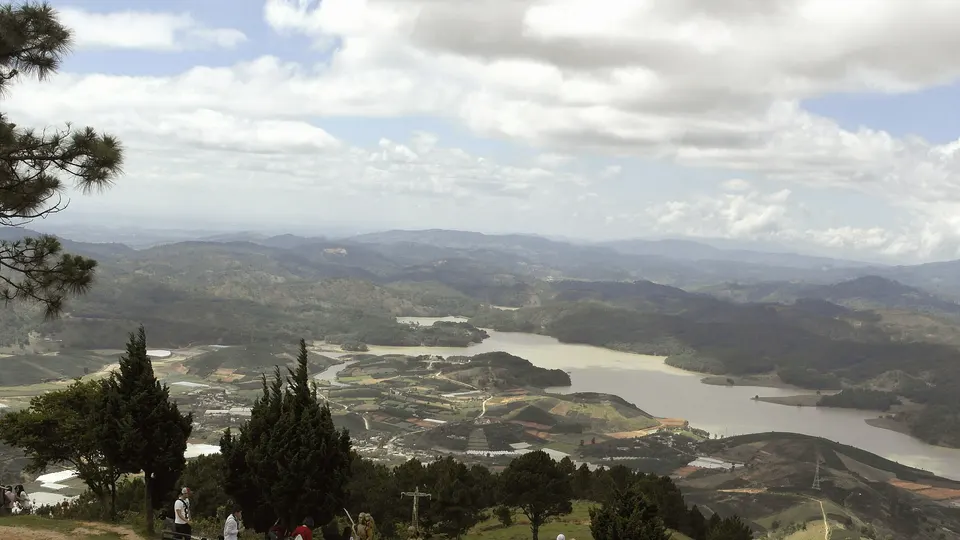
- The pass: open 05:00–18:00 as of November 2026; check whether the night closure has been lifted once the repairs are finished.
- Your ticket: departure time, pick-up point, the road it takes and the drop-off point in Da Lat.
- A car with driver: the route, the stops and the all-in price in writing.
- Arriving by air first: if you land at Cam Ranh and want to go straight up to Da Lat, read our guide to Cam Ranh airport to Nha Trang for the transport options at the airport.
- Coming from Saigon instead: compare the night train and buses in our guide to getting from Saigon to Nha Trang.
- The future expressway: on 30 March 2026 Lam Dong’s provincial council agreed that Khanh Hoa will lead an 80.8 km, four-lane Nha Trang–Da Lat expressway, built as a public-private BOT project of more than 25,000 billion dong, which should cut the trip to about 1.5–2 hours and is due before 2030 (Tuoi Tre). Until then, the Khanh Le pass is the road.
Frequently asked questions
Is the Khanh Le pass open right now?
Yes, by day. As of 11 November 2026 the Khanh Le pass between Nha Trang and Da Lat is open from 05:00 to 18:00 and closed to all traffic from 18:00 to 05:00, and repair crews may stop traffic for about 30 minutes at a time.
Can I take a night bus from Nha Trang to Da Lat?
Not over the Khanh Le pass while the night closure applies, because all vehicles are barred from 18:00 to 05:00. An evening or overnight service has to take the longer road via Phan Rang and the Ngoan Muc pass, so ask the operator which road it uses.
Is there a direct flight from Nha Trang to Da Lat?
No. Vietnam Airlines says there is no direct flight because the distance is short, and the fares it shows from Cam Ranh to Lien Khuong involve a connection and cost about ten times the bus fare.
How much is a private car from Nha Trang to Da Lat?
Vietnam Airlines' 2025 travel guide quotes about 1.2 to 1.5 million dong one way for a 4-seat car with driver and 1.4 to 1.8 million dong for a 7-seat car, usually including fuel and tolls. Get a written quote that names the route and stops.
When will the Nha Trang to Da Lat expressway open?
Not before the late 2020s. In March 2026 Lam Dong agreed that Khanh Hoa will lead the 80.8 km Nha Trang–Da Lat expressway as a BOT project, with completion targeted before 2030.
Key sources
- Cấm lưu thông qua đèo Khánh Lê theo khung giờ do diễn biến thời tiết phức tạp · Tuổi Trẻ, 11 November 2026
- Khẩn trương khắc phục đèo Khánh Lê trên tuyến Nha Trang - Đà Lạt · Thanh Niên, 22 June 2026
- All vehicles allowed to travel through Khanh Le Pass · SGGP English Edition, 13 February 2026
- Ba đường nối Nha Trang - Đà Lạt, tránh đèo Khánh Lê, Ngoạn Mục sạt lở · VnExpress, 17 November 2025
- Fog, rockfalls and sharp bends: Khanh Le Pass between tourist hubs of Nha Trang and Da Lat remains nightmare for drivers · VnExpress International, 21 November 2025
- 4 cách di chuyển từ Nha Trang đi Đà Lạt chi tiết nhất 2025 · Vietnam Airlines travel guide, 2025
- Da Lat (how to get there) · Vietnam National Authority of Tourism (vietnam.travel)
- Thông qua nghị quyết triển khai cao tốc Nha Trang - Đà Lạt · Tuổi Trẻ, 30 March 2026
All 14 sources and further reading
- Khánh Hòa cấm lưu thông qua đèo Khánh Lê từ 18h đến 5h hằng ngày · Báo Xây dựng, 11 November 2026
- Đèo Khánh Lê thông xe sau hơn một tháng phong tỏa · VnExpress, 24 December 2025
- Gấp rút sửa đèo nối Nha Trang - Đà Lạt trước mùa mưa · VnExpress, 13 September 2026
- Đèo Khánh Lê dừng xe từng đợt 30 phút để xử lý sạt lở, người đi đường chú ý · VOH, 24 October 2026
- Flights from Nha Trang to Da Lat · Vietnam Airlines, checked 22 November 2026
- Resolution 202/2025/QH15 on the reorganization of provincial-level administrative divisions · National Assembly of Vietnam, 12 June 2025 (LuatVietnam English)
Keep exploring
 Central Vietnam · Travel Da Lat (Dalat), Vietnam: Where It Is, When to Go, How Long Where is Da Lat (Dalat)? A cool highland city 300 km from Saigon: how many days you need, month-by-month weather, the airport transfer and 2026 roadworks.
 Central Vietnam · Travel Is Nha Trang Worth It? What to See, Eat and When to Go Is Nha Trang worth visiting? The bay and Hon Mun reefs, Po Nagar Cham towers, mud baths, fish-cake noodles, the January-August dry season and 2026 flood risks.
 Central Vietnam · Travel Saigon to Da Lat in 2026: Fly, Sleeper Bus or Car? Saigon to Da Lat as of November 2026: flight vs sleeper bus vs limousine vs car on cost, time and effort, with Prenn pass works and expressway status.
 Central Vietnam · Travel Da Lat (Đà Lạt) in 2 or 3 Days: Plan, Times and Prices Is 2 days enough for Da Lat? Day-by-day 2- and 3-day plans with the Trai Mat train, Datanla, Langbiang and Truc Lam, plus November 2026 ticket prices and hours.