All three regions · Travel
Vietnam Weather by Month: What to Expect in Each Region
Vietnam weather month by month for Hanoi, Hoi An, Nha Trang, Da Lat, Saigon and Phu Quoc: official averages, typhoon season, 2027 holidays and El Nino outlook.
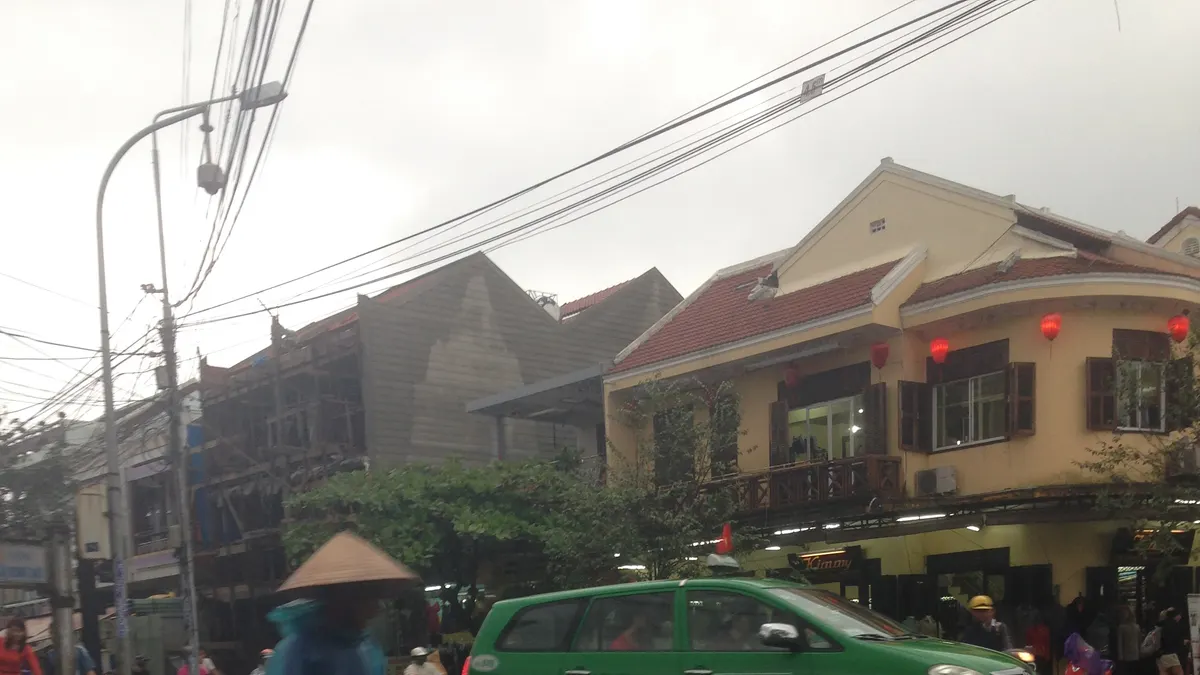
Vietnam’s weather in any month depends on the region: on 1991–2020 averages the North is driest from November to February, the central coast between Hue and Hoi An is wettest from September to December, and Saigon and the South are driest from December to April. As of mid-November 2026, Vietnam’s national forecasting centre expects a very strong El Nino to keep December 2026 to February 2027 about 1–2 °C warmer than average, with weaker and later cold spells in the North.
This page is for readers whose dates are already fixed: you know you will be in Vietnam in March, or October, and want to know what the weather will be like in each part of the country and what to change in your plans. Vietnam is long and narrow, and its regions have their rain at different times, so the same month can mean dry skies in one city and floods in another. If you are still choosing when to go, start with our region-by-region decision guide, the best time to visit Vietnam, and for routes and transport see the Vietnam travel planning hub.
Below you will find a 12-month overview by region, average temperatures and rainfall from Vietnam’s own weather stations, a section for each season with notes for every month, when and where typhoons strike, the national forecasting centre’s outlook for the 2026–27 El Nino winter, the 2027 holidays that affect travel, and a short list of what to pack and how to adjust.
Vietnam weather by month at a glance
Read across for a month, down for a region. The words describe the typical weather, not a forecast: any year can be early, late, wetter or drier.
| Month | North (Hanoi, Ha Long (Hạ Long) Bay, Sa Pa) | Central coast (Hue (Huế), Da Nang (Đà Nẵng), Hoi An) | South-central coast (Nha Trang, Quy Nhon) | Central Highlands (Da Lat (Đà Lạt), Buon Ma Thuot) | South (Saigon, Mekong Delta) | Phu Quoc (Phú Quốc) |
|---|---|---|---|---|---|---|
| January | Cool, grey, little rain; cold in Sa Pa, snow rare | Cool, drizzly; rain easing | Dry, warm | Dry, sunny, cool nights | Dry, hot | Dry, calm seas |
| February | Cool, damp, drizzly | Drying out, mild | Dry (Nha Trang’s driest month) | Dry | Dry, hot | Dry |
| March | Mild, humid, frequent light rain | Dry, warm | Dry, warm | Dry | Dry, hot | Dry |
| April | Warm and sunny; first heavier rain | Dry, warm | Dry, hot | First showers | Hot, mostly dry | Dry, hot |
| May | Hot; rainy season begins | Hot, mostly dry | Dry, hot | Rainy season begins | Rainy season begins | Rains begin by some accounts |
| June | Hot, humid, rainy | Hot, dry; beach season | Dry; beach season | Rainy | Wet, mostly afternoon showers | Rainy, rougher seas |
| July | Hot, wet, storms possible | Hot, dry; domestic crowds | Dry; domestic crowds | Rainy | Wet | Stormy |
| August | Hanoi’s wettest month; storms | Hot; rain starts to build | Dry | Rainy | Wet; Mekong flood season begins | Stormy |
| September | Rain easing; golden rice in Sa Pa | Storm season begins; wet | Rains begin | Wettest month (Buon Ma Thuot) | Wettest month (Saigon) | Stormy |
| October | Mostly dry, clear, mild | Wettest month; storms and floods | Wet | Rain easing | Wet | End of the rainy season |
| November | Cool, dry, clear | Very wet; floods possible | Wettest month (Nha Trang) | Drying out | Rain easing | Dry season begins |
| December | Cool to cold, dry, misty | Wet, cool | Wet, easing | Dry | Dry | Dry |
The numbers behind the table. These are the 1991–2020 averages that Vietnam’s Meteorological and Hydrological Administration publishes through the World Meteorological Organization (WMO): average daily high and low, then average monthly rainfall. There is no official station series for Sa Pa, Hoi An, Da Lat or Phu Quoc in that service, so the nearest stations stand in: Da Nang for the Hue–Hoi An coast, and Buon Ma Thuot for the highlands. Da Lat is cooler than Buon Ma Thuot: VnExpress puts average temperatures in its province at about 18–25 °C.
| Month | Hanoi | Da Nang | Nha Trang | Buon Ma Thuot | Ho Chi Minh City |
|---|---|---|---|---|---|
| Jan | 20/15 °C · 28 mm | 25/20 °C · 83 mm | 27/22 °C · 54 mm | 27/18 °C · 7 mm | 32/23 °C · 12 mm |
| Feb | 21/16 °C · 19 mm | 26/20 °C · 22 mm | 28/22 °C · 13 mm | 30/19 °C · 4 mm | 33/23 °C · 8 mm |
| Mar | 24/19 °C · 55 mm | 28/22 °C · 36 mm | 30/24 °C · 39 mm | 32/20 °C · 27 mm | 34/25 °C · 18 mm |
| Apr | 28/22 °C · 79 mm | 31/24 °C · 50 mm | 31/25 °C · 46 mm | 33/22 °C · 86 mm | 35/26 °C · 57 mm |
| May | 32/25 °C · 188 mm | 33/25 °C · 71 mm | 33/26 °C · 78 mm | 32/22 °C · 241 mm | 35/26 °C · 202 mm |
| Jun | 34/26 °C · 231 mm | 35/26 °C · 68 mm | 33/26 °C · 48 mm | 30/22 °C · 230 mm | 34/26 °C · 224 mm |
| Jul | 33/27 °C · 300 mm | 34/26 °C · 92 mm | 33/26 °C · 45 mm | 30/22 °C · 245 mm | 33/25 °C · 231 mm |
| Aug | 33/26 °C · 335 mm | 34/26 °C · 167 mm | 33/26 °C · 54 mm | 30/22 °C · 315 mm | 33/25 °C · 219 mm |
| Sep | 32/25 °C · 195 mm | 32/25 °C · 394 mm | 32/25 °C · 176 mm | 29/22 °C · 341 mm | 33/25 °C · 273 mm |
| Oct | 30/22 °C · 126 mm | 30/24 °C · 658 mm | 30/25 °C · 325 mm | 29/21 °C · 201 mm | 32/25 °C · 240 mm |
| Nov | 26/19 °C · 48 mm | 28/23 °C · 486 mm | 29/24 °C · 400 mm | 28/20 °C · 106 mm | 32/25 °C · 128 mm |
| Dec | 22/15 °C · 24 mm | 25/21 °C · 272 mm | 27/23 °C · 224 mm | 26/19 °C · 26 mm | 32/24 °C · 41 mm |
Averages smooth out the extremes. A single storm can drop more rain in a few days than the monthly figure suggests, and cold snaps in the North can push nights well below the average low.
December to February: cool North, dry South
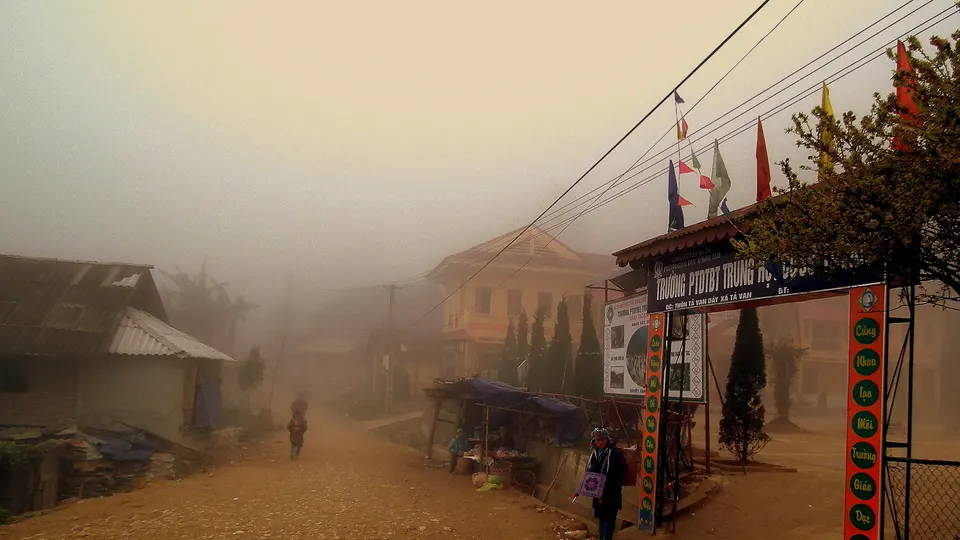
These are the months of the northern winter. The North is cool, often grey and fairly dry, the central coast is wet in December and drying out by February, and the South, Phu Quoc and the Central Highlands are in their best, driest season. The national tourism authority describes December to March in Hanoi, Ha Long Bay and Sa Pa as cool to cold, misty and cloudy, with lows of around 10 °C in Hanoi from late December and occasional snow in Sa Pa in January (VNAT).
December
What to expect. Hanoi turns cool and dry, with average highs of about 22 °C and lows of 15 °C. The central coast is still wet: Da Nang averages about 272 mm of rain over 21 rainy days. Nha Trang’s rains are easing. Saigon, the Mekong Delta, the Central Highlands and Phu Quoc are dry.
Trips that work. The South and the islands: Vietnam Airlines’ travel guide recommends Ho Chi Minh City, the Mekong Delta, Phu Quoc and Da Lat in December. Phu Quoc has been part of An Giang province since July 2025. For a full December plan by region, with the Christmas–New Year peak and what to book early, see our Vietnam in December guide.
Adjust like this. Pack warm layers for Hanoi and especially for the mountains, which the same guide flags as cold and cloudy. Keep central-coast days flexible.
January
What to expect. January is Hanoi’s coolest month, averaging about 20 °C by day and 15 °C at night, with only about 28 mm of rain, but grey skies and drizzle on around 11 days. Sa Pa is cold, and snow is the exception rather than the rule. On the central coast the rain is easing, though Da Nang still averages about 83 mm; the national tourism authority calls January the coldest point of the year in Hoi An. The South is hot and dry: Ho Chi Minh City averages only about 12 mm of rain.
This January. In its outlook of 16 November 2026 the national forecasting centre expects December to February temperatures 1–2 °C above average across the country, with January rain near average in the North, less rain than usual on the central coast, and the Central Highlands and the South mostly dry; see the outlook below.
Trips that work. Saigon, Phu Quoc, Con Dao (Côn Đảo) and Da Lat, all of which Vietnam Airlines recommends for January. For Hue and Hoi An, Lonely Planet says the drier weather from January to March is a good time to explore the historic sights. Our Vietnam in January guide has the region-by-region plan, a two-week route and the key dates.
Adjust like this. Bring a proper jacket for the North and expect some drizzle in Hue. Tet (Tết) falls on 6 February 2027, and its travel rush starts in January: Vietnam Airlines Group’s Tet peak period runs from 22 January to 20 February 2027, VOV reported, so book flights and trains for late January early.
February
What to expect. The North stays cool and damp. Hanoi gets little rain in total, about 19 mm, but it falls as drizzle on about 12 days of the month. The central coast is drying out: Da Nang averages only about 22 mm, and February is Nha Trang’s driest month. The South and highlands are dry.
Trips that work. Vietnam Airlines recommends Hue, Hoi An, Nha Trang and the Mekong Delta, and flags Sa Pa as cold and Ha Giang (part of Tuyen Quang (Tuyên Quang) province since the July 2025 merger) as misty and damp. In 2027 Tet falls on 6 February, so trains and flights are busiest in the weeks around it and many family-run shops close for the first days; our Tet 2027 travel guide explains how to plan around it. Our Vietnam in February guide splits the month into before, during and after the holiday, with a two-week route for after Tet.
Festivals and holidays. Tet, the Lunar New Year, dominates February 2027: the official holiday runs from 4 to 10 February, and Lunar New Year’s Day is Saturday 6 February. The 2027 dates are in the holiday table below.
Adjust like this. Book trains, flights and rooms around Tet early, and expect many shops and restaurants to close for the first days of the new year.
March to May: the easiest months for a whole-country trip
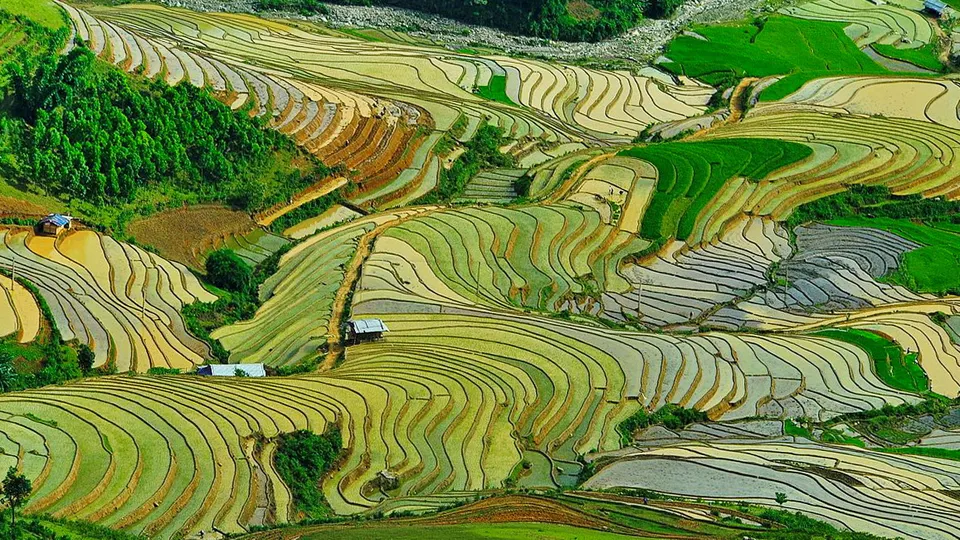
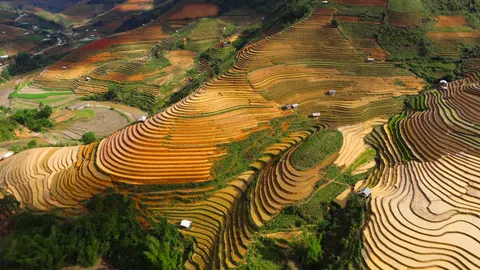
Spring is when Vietnam’s weather is most even. The central and south-central coast are dry, the South is hot and still mostly dry until May, and the North warms up after its grey winter. The national tourism authority names March to May as the best weather countrywide. In late April the northern mountains start one of their most photographed seasons: farmers flood the terraces to prepare them for planting, and from late April into May and even June the fields of Sa Pa, Mu Cang Chai (Mù Cang Chải) and Hoang Su Phi (Hoàng Su Phì) mirror the sky (Vietnam News).
March
What to expect. Hanoi is mild but humid, averaging about 24 °C by day, with light rain on about 18 days of the month even though the total is small. Da Nang is dry and warm, Nha Trang dry, and Saigon hot and dry with highs of about 34 °C. The Central Highlands are at the end of their dry season.
Trips that work. Vietnam Airlines recommends Hanoi, Ninh Binh (Ninh Bình), Ha Long Bay and Da Nang, and notes that the Central Highlands are dry but dusty. Vietcetera calls March and April great months for Quy Nhon, which has been part of Gia Lai province since July 2025, when the former Binh Dinh (Bình Định) province merged into it.
Adjust like this. Light layers and a rain jacket for the North; sun protection everywhere else. Our Vietnam in March guide has the region-by-region plan, the March 2027 festival dates and a two-week route.
April
What to expect. The North is warm and often sunny: the national tourism authority describes Hanoi as occasionally above 30 °C with clear skies, and late April as near-perfect in Sa Pa. The central coast is dry and warm, with Da Nang averaging about 31 °C by day. Saigon is near its hottest, with highs of about 35 °C, and the first real showers arrive in the Central Highlands.
Trips that work. Almost everywhere. Vietnam Airlines recommends Hanoi, Hue, Hoi An and Phu Quoc in April and lists nowhere to avoid, which makes April an easy month for a north-to-south route; our Vietnam in April guide has the region-by-region detail, a two-week route and what to book.
Festivals and holidays. Hung (Hùng) Kings’ Commemoration Day falls on Friday 16 April 2027, and the Reunification Day and Labour Day break runs from Friday 30 April to Monday 3 May under the 2027 schedule published in November 2026. Domestic travel peaks around both.
Adjust like this. Book beach rooms and transport early for the 30 April to 3 May long weekend.
May
What to expect. The rainy season starts in the South and the Central Highlands: Ho Chi Minh City averages about 202 mm in May against 57 mm in April, and Buon Ma Thuot about 241 mm. Hanoi turns hot, with highs of about 32 °C and the first heavy rains. The central and south-central coast stay mostly dry and hot.
Trips that work. The terraces of the northern mountains in the water-filling season; Vietnam Airlines also suggests Ninh Binh for golden rice, Ha Giang and Con Dao. Around Sa Pa, the flooded terraces are at their most striking from late April into May.
Adjust like this. In the South, plan outdoor sightseeing for the morning; Vietnam Airlines notes that wet-season rain usually comes as heavier late-afternoon showers.
June to August: central beaches, northern storms
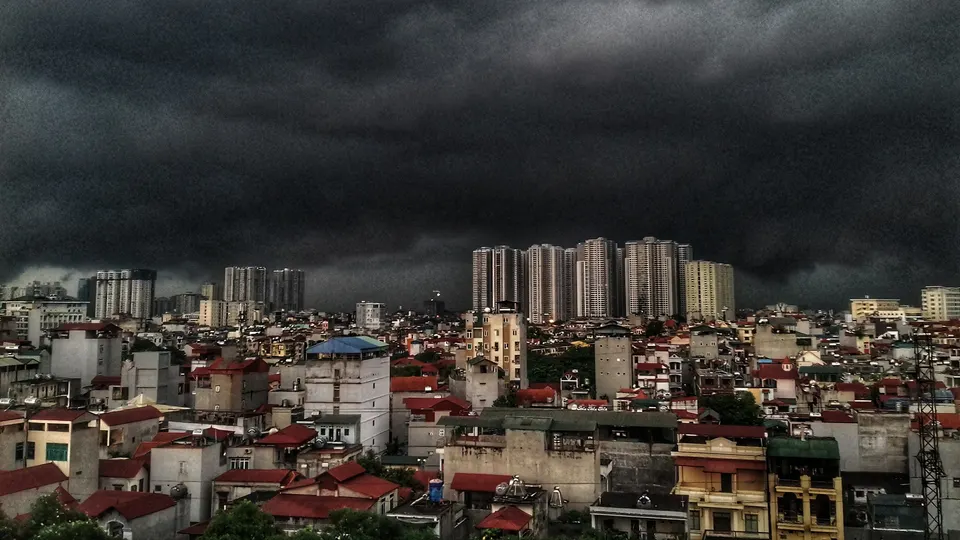
Summer splits the country. The central coast between Hue and Hoi An and the south-central coast around Nha Trang are in their dry, hot beach season, while the North has its hottest, wettest and stormiest months and the South and Central Highlands are in the rainy season. Storms can stop boat trips at short notice: when Typhoon Wipha approached in July 2025, the provincial waterway authority suspended all tourist boats in Ha Long Bay, and a cruise company told guests to change their plans or ask for their deposits back (Tuoi Tre News).
June
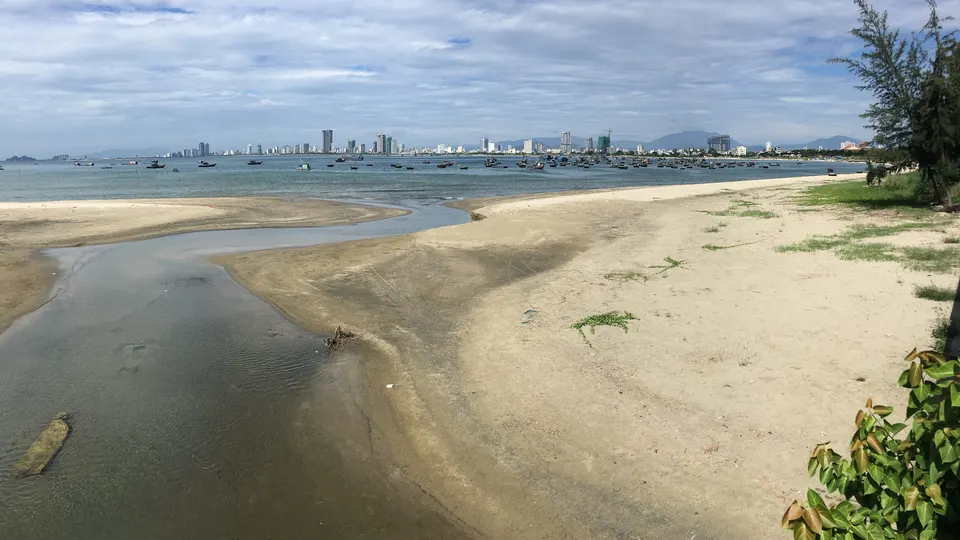
What to expect. Hanoi is hot and humid, with highs of about 34 °C and around 231 mm of rain. Da Nang reaches its hottest average high, about 35 °C, with little rain, and Nha Trang is dry. Saigon and the Mekong Delta are wet, and Phu Quoc’s seas get rougher.
Trips that work. Vietnam Airlines recommends Sa Pa, Ha Giang, Da Nang and Nha Trang, and flags heavy rain in the Mekong Delta and humidity in Ho Chi Minh City.
Adjust like this. Lightweight, breathable clothing and plenty of water; beach time early and late in the day.
July
What to expect. The North is hot and wet: Hanoi averages about 300 mm of rain over 18 rainy days, and the national tourism authority describes June to August in Ha Long Bay and Sa Pa as stormy and humid. The central coast stays dry and hot. Phu Quoc is in its stormy season, which the national tourism authority puts at July to September.
Trips that work. The central coast beaches and Nha Trang, and Da Lat, which Vietnam Airlines recommends in July. Lonely Planet advises avoiding the rush of domestic travellers in July and August, when schools are out, and says rates can rise by as much as 50% in resort areas such as Da Nang and Nha Trang.
Adjust like this. Book beach rooms early, and choose a Ha Long cruise with a clear weather policy.
August
What to expect. August is Hanoi’s wettest month, with about 335 mm of rain on average. On the central coast, rainfall starts to build: Da Nang averages about 167 mm, more than in any month since January. Buon Ma Thuot and Saigon are wet, and in the Mekong Delta the floodwater season (mua nuoc noi (mùa nước nổi)) begins.
Trips that work. Vietnam Airlines recommends Hue, Hoi An early in the month, and Da Lat, and warns of typhoon risk on the central coast.
Adjust like this. If Hoi An or Hue come late in your trip, move them earlier; that is where the risk rises first.
September to November: the central coast’s wet season
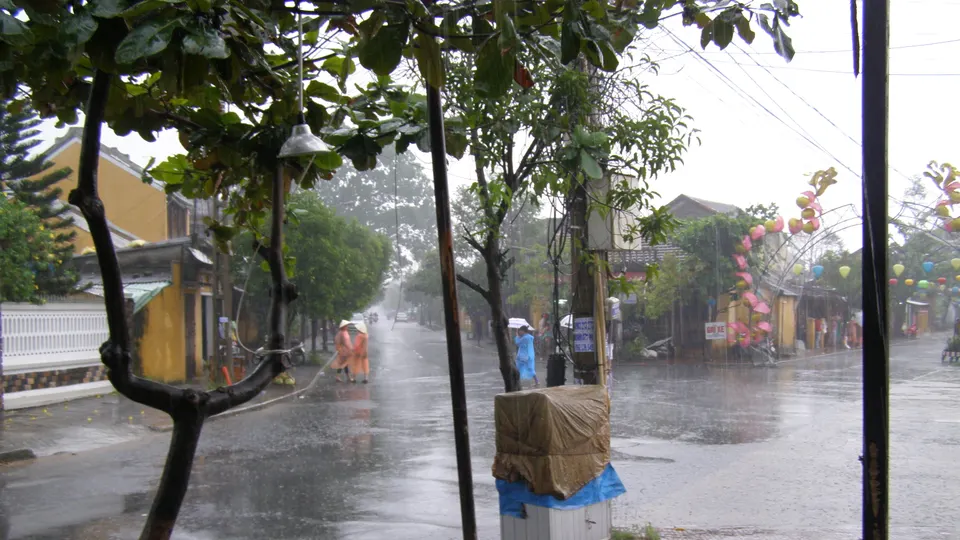
Autumn reverses the summer pattern. The North dries out and enjoys some of its best weather, while the central coast from Hue to Hoi An enters its storm and flood season, followed a little later by Nha Trang. The floods can be severe: in late October 2025 the Thu Bon (Thu Bồn) River in Hoi An rose to 5.62 m, and the Bo (Bồ) River in Hue crested above the record flood of 2020, while Khanh Hoa (Khánh Hòa), the province around Nha Trang, had 100,000 properties under water in November (VnExpress International).
September
What to expect. In the North the rain is easing and the national tourism authority describes September to November in Hanoi as cool, clear and sunny, with temperatures around 25 °C. On the central coast, storms arrive: Da Nang is hit by storms every year in September and October, according to the national tourism portal, and averages about 394 mm of rain in September. Nha Trang’s rains begin. September is the wettest month in Saigon and Buon Ma Thuot.
Trips that work. The North: Vietnam Airlines recommends Sa Pa in the golden rice season, Ha Giang and Hanoi, and flags Hue, Da Nang and Hoi An as still rainy.
Festivals and holidays. The National Day holiday runs from Thursday 2 to Sunday 5 September 2027, and the Mid-Autumn Festival falls on Wednesday 15 September. The national tourism authority calls it the children’s festival: streets such as Hang Ma (Hàng Mã) in Hanoi fill with lanterns and toys, and mooncakes come in many sweet and savoury flavours.
Adjust like this. Put the central coast at the start of a September trip, not the end, and keep a spare day.
October
What to expect. October is the wettest month on the central coast: Da Nang averages about 658 mm of rain over 21 rainy days, and the national tourism authority warns of occasional flooding in Hue from September to November. Hanoi, meanwhile, is mostly dry and mild, averaging about 30 °C by day. Nha Trang is wet, and Phu Quoc’s rainy season is ending.
Trips that work. The North: Vietnam Airlines recommends Hanoi, Ha Long Bay, Ninh Binh and Mai Chau (Mai Châu), and Lonely Planet calls October to November a particularly favourable time for Ha Long Bay. In Ha Giang, buckwheat flowers were expected from mid-October to late December in 2022, the Vietnam News Agency reported.
Adjust like this. If you must visit Hoi An or Hue, book refundable rooms, follow the forecast, and have an inland or northern alternative ready. VietnamPlus reports that Da Nang’s tourism industry treats September to December as its low season.
November
What to expect. The North is cool, dry and clear: Hanoi averages about 48 mm of rain over 7 rainy days. Nha Trang has its wettest month, about 400 mm, and the central coast is still very wet, with Da Nang averaging about 486 mm. The Central Highlands are drying out, the South’s rains are easing, and Phu Quoc’s dry season begins; the national tourism authority recommends November to April for the island, and our guide to the best time to visit Phu Quoc goes month by month through its seas, ferries and holiday peaks. In the Mekong Delta, Bao Van Hoa (Báo Văn Hóa) reports that the floodwater season runs from August to November, with festivals on flooded fields around Hong Ngu (Hồng Ngự) on the Cambodian border.
Trips that work. Hanoi, Ha Giang and the Central Highlands, which Vietnam Airlines recommends in November, and the Mekong Delta at the end of its high-water season.
Adjust like this. Pack a warm layer for the North and a rain jacket for anywhere between Hue and Nha Trang.
When is typhoon season in Vietnam, and where do storms hit?
Typhoons do not hit the whole coast at once: the risk moves south as the year goes on. Vietnam’s National Center for Hydro-Meteorological Forecasting describes the usual pattern as storms and tropical depressions concentrating on the North from July to September and on the central region in October and November, without ruling out the South in the last months of the year. Over the long term, about 9.3 storms and tropical depressions form over the East Sea (the South China Sea) each year, and about 3.9 affect or reach Vietnam’s mainland (VietnamPlus). From February to April they are very unlikely: the centre’s long-term average for those three months is 0.5 in the East Sea and none reaching land.
| Months | Where storms usually hit | What it means for your trip |
|---|---|---|
| July to September | The North: Hanoi, Ha Long Bay, the northern coast | Ha Long cruises and island boats can be cancelled at short notice; keep a spare day |
| October to November | The central region, from Hue and Da Nang down the coast | Storms add to the year’s heaviest rain; floods possible in Hue and Hoi An |
| November to December | The South is not ruled out | Rare, but watch the forecast for Saigon, the Mekong Delta and the islands |
| February to April | Storms very unlikely | The safest months for boat trips and island hopping |
Fewer storms does not mean less rain. Seasons vary a lot. 2025 brought the most storms and tropical depressions on record, Tien Phong reported. In 2026, five storms and two tropical depressions formed over the East Sea between July and mid-September, three of which affected the mainland, and the forecasting centre expected only one or two more to reach land by the end of the year, against a usual two for that period. Even so, October 2026 brought three widespread rain episodes to the central coast, with 350–550 mm falling between Hue and Quang Ngai (Quảng Ngãi) and some stations setting daily and monthly records, VietnamPlus reported. For November the long-term average is 1.5 storms in the East Sea and 0.9 reaching land.
What to do. Put the region in its risky months at the start of your trip, not the end, so a storm costs you a day rather than a flight. Book refundable rooms on the central coast from September to December, and treat boat trips in the North from July to September as weather-dependent. Vietnamese media relay the forecasting centre’s storm bulletins daily; if a warning covers your route, change the plan rather than wait.
What will winter 2026–27 be like? The El Nino outlook
Warmer and, in the centre and South, drier than usual, if the forecast holds. Vietnam’s national forecasting centre expects El Nino, the periodic warming of the tropical Pacific, to stay very strong from December 2026 to February 2027, with a 79% probability, and to weaken from March to May 2027, VietnamPlus reported on 16 November 2026. Its October outlook had put the chance of a very strong El Nino from November to January at 96%. Seasonal forecasts are probabilities, not promises, and the centre updates them every month.
| Period | Temperature against the long-term average | Rain | Storms |
|---|---|---|---|
| November 2026 | 1–2 °C warmer (South 0.5–1 °C) | North 15–30% wetter; Thanh Hoa (Thanh Hóa) to Ha Tinh (Hà Tĩnh) and the South near average; elsewhere 20–40% drier | Fewer than the usual 1.5 in the East Sea |
| December 2026 – February 2027 | 1–2 °C warmer | December: North 5–15 mm wetter, south of Quang Tri (Quảng Trị) to Hue 20–40 mm drier, south-central coast 50–150 mm drier; January and February mostly dry in the Central Highlands and South | Fewer than the usual 1.4 in the East Sea; landfall unlikely |
| March – May 2027 | 1–2 °C warmer, locally more than 2 °C | March and April 10–40 mm drier; May 10–35% drier; rains may start late in the Central Highlands and South | Very unlikely |
The November figures come from the centre’s monthly outlook reported by VietnamPlus on 1 November 2026; the later ones from its seasonal outlook reported on 16 November 2026, which updates the outlook of 15 October.
North. Cold air is expected to be weaker than usual, and the coldest spells to arrive later, with fewer days of severe cold in the North and north-central region. Short, sharp cold snaps are still possible, so a warm jacket stays on the packing list, and late-winter drizzle days may be fewer than usual.
Central coast. Heavy rain is still possible in November and December, mainly from Ha Tinh to Hue and on the south-central coast, even though many places may end the rainy season with less rain than average. Keep central-coast days flexible until the end of December.
South and Central Highlands. Expect a hot, dry season that starts early: the centre expects heat in the south-east of the South from February, earlier than usual, spreading across the Central Highlands and the South from March, and warns that a late start to the rains could raise drought and water-shortage risks there. Plan sightseeing for mornings and late afternoons, and carry water.
Holidays and festivals in 2027 to plan around
Public holidays move more people than the weather does. Vietnam’s Ministry of Home Affairs has set the 2027 Tet holiday from Thursday 4 to Wednesday 10 February, the 28th day of the last lunar month of the Year of the Horse to the 5th day of the first month of the Year of the Goat, under Notice 11483/TB-BNV of 9 October 2026 (Ha Tinh provincial portal). Lonely Planet warns that around Tet the whole country is on the move and transport and hotel prices rise steeply.

| Date in 2027 | Holiday | What it means for travel |
|---|---|---|
| Friday 1 January | New Year’s Day | A three-day weekend for public-sector workers |
| Thursday 4 – Wednesday 10 February | Tet Nguyen Dan (Lunar New Year’s Day: Saturday 6 February) | Transport books out before it; many shops close in the first days |
| Friday 16 April | Hung Kings’ Commemoration Day (10th day of the 3rd lunar month) | Long weekend |
| Friday 30 April – Monday 3 May | Reunification Day and Labour Day | Busy beaches and transport |
| Thursday 2 – Sunday 5 September | National Day (Quoc khanh) | Busy transport around the long weekend |
| Wednesday 15 September | Mid-Autumn Festival (Tet Trung Thu) | Lanterns and mooncakes; not a day off |
The New Year, Hung Kings and 30 April dates come from VnEconomy’s report of 10 October 2026 on the expected 2027 schedule; the 30 April break was confirmed in the 2027 holiday schedule published in November 2026 (CafeF, 17 November 2026). The Mid-Autumn Festival falls on the 15th day of the 8th lunar month, which is 15 September 2027 in the Hong Kong Observatory’s lunar calendar table; that table gives the same days as Vietnam’s official schedule for Tet and Hung Kings Day in 2027.
What to pack and how to adjust by month
A few rules cover most trips. Vietnam Airlines’ travel guide suggests lightweight, breathable cotton for the heat, warm jackets and insulated layers for the northern winter, a raincoat or umbrella for sudden downpours, waterproof bags for electronics and documents, and sunscreen, a hat and sunglasses year-round (Vietnam Airlines). What changes by month is which of those you need most.
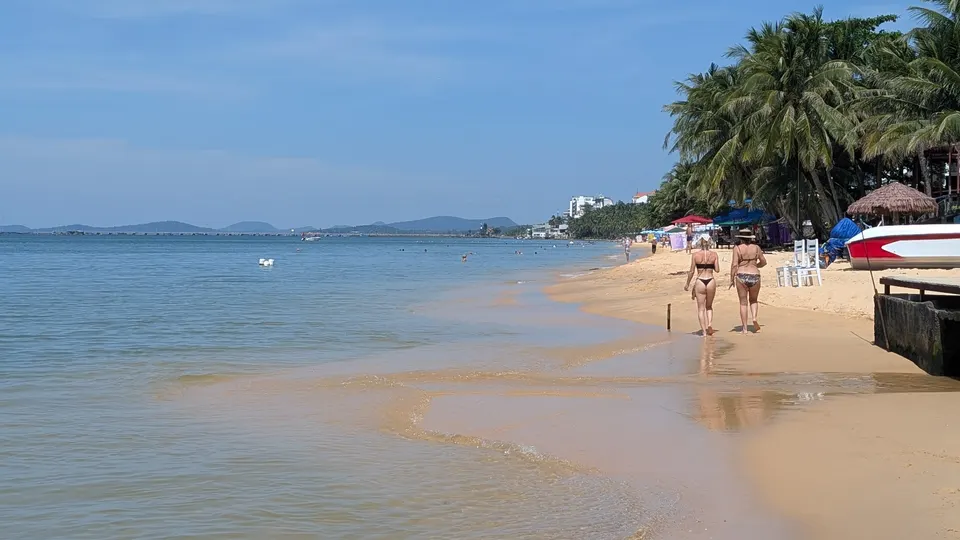
- December to February: warm layers for Hanoi, Ha Long and the mountains; summer clothes for the South and Phu Quoc. Check whether your dates touch Tet and book transport early if they do.
- March to May: the easiest packing of the year. A light rain jacket for the North, sun protection for the centre and South, and early bookings for the 30 April to 3 May break.
- June to August: heat and rain gear. Do the central and south-central beaches in this window, and leave a spare day around any Ha Long cruise or mountain drive in case of storms.
- September to November: do the North first and treat the central coast as weather-dependent. Book refundable rooms in Hue, Hoi An and Nha Trang, and watch the forecast.
- Any month: nights in Da Lat are cool whatever the season, so bring a jacket for Da Lat even if the rest of your trip is in the tropical South.
The station averages tell you what to expect; the forecast in the week you travel tells you what will actually happen. VietnamPlus quotes Vietnam’s tourism planners saying plainly that flash floods, landslides and rough seas “cannot become tourism products”, so if a storm warning covers your route, move the day rather than the risk.
Frequently asked questions
Does it rain all day in Vietnam's rainy season?
Usually not in the South, where Vietnam Airlines' travel guide says wet-season rain tends to come as heavier showers in the late afternoon. The central coast in October and November is different: Da Nang averages about 21 rainy days a month from October to December, and storms can bring days of heavy rain and flooding.
Do I need a warm jacket for Hanoi in winter?
Yes, from December to February. Hanoi averages about 15 °C at night in January, and Vietnam's national tourism authority mentions lows of around 10 °C in cold spells from late December; Sa Pa in the mountains is colder still.
Will I see snow in Sa Pa in January?
Probably not. January is the coldest time in Sa Pa and the national tourism authority mentions occasional snow, but snow there is the exception rather than the rule; expect cold, misty days instead.
Which months should I avoid for a Ha Long Bay cruise?
July to September carries the most risk, because that is when storms usually hit the North, and the authorities suspended all tourist boats in Ha Long Bay when Typhoon Wipha approached in July 2025. Lonely Planet calls October and November a particularly favourable time for Ha Long Bay.
When is the Mekong Delta flooded?
The Mekong Delta's floodwater season (mua nuoc noi) runs from about August to November, Bao Van Hoa reports, with festivals on flooded fields around Hong Ngu near the Cambodian border. It is a seasonal rise of the river rather than a storm flood.
Key sources
- Climatological information: Hanoi (1991–2020) · WMO World Weather Information Service, data from the Viet Nam Meteorological and Hydrological Administration
- Weather and climate in Vietnam · Vietnam National Authority of Tourism (vietnam.travel)
- Seasons in Vietnam · Vietnam Airlines travel guide
- Water-filling season turns northwestern rice fields into a masterpiece · Việt Nam News, 22 May 2026
- Ha Long Bay tourist boats banned from departing as typhoon Wipha nears · Tuổi Trẻ News, 20 July 2025
- A year under water: Record floods sweep Vietnam from megacities to tourist hubs in 2025 · VnExpress International, 25 December 2025
- Tết Nguyên đán 2027, công chức, viên chức được nghỉ 7 ngày liên tục · Hà Tĩnh Provincial Portal (hatinh.gov.vn), 9 October 2026
- Những cơn bão mạnh, rất mạnh có khả năng xuất hiện ở cuối mùa bão · VietnamPlus (VNA), 6 July 2026
All 31 sources and further reading
- Climatological information: Da Nang (1991–2020) · WMO World Weather Information Service, data from the Viet Nam Meteorological and Hydrological Administration
- Climatological information: Nha Trang (1991–2020) · WMO World Weather Information Service, data from the Viet Nam Meteorological and Hydrological Administration
- Climatological information: Buon Me Thuot (1991–2020) · WMO World Weather Information Service, data from the Viet Nam Meteorological and Hydrological Administration
- Climatological information: Ho Chi Minh City (1991–2020) · WMO World Weather Information Service, data from the Viet Nam Meteorological and Hydrological Administration
- About Viet Nam: climate · Vietnam National Authority of Tourism (vietnamtourism.vn)
- Phu Quoc · Vietnam National Authority of Tourism (vietnam.travel)
- Climate · Khánh Hòa Department of Culture, Sports and Tourism
- The best time to travel to Quy Nhon · Vietcetera, 19 July 2019
- Cẩm nang du lịch Lâm Đồng · VnExpress, 6 November 2024
- Buckwheat flower festival returns to Ha Giang in November · Vietnam News Agency, 29 September 2022
- Turning rainy season into tourism opportunity · VietnamPlus (VNA), 1 September 2026
- Để mùa nước nổi thành sản phẩm hấp dẫn · Báo Văn Hóa, 30 September 2026
- Best time to visit Vietnam · Lonely Planet
- Dự kiến các ngày nghỉ lễ, Tết trong năm 2027 · VnEconomy, 10 October 2026
- Vietnam's magical Mid-autumn Festival · Vietnam National Authority of Tourism (vietnam.travel)
- Gregorian-Lunar Calendar Conversion Table of 2027 · Hong Kong Observatory
- Từ tháng 11/2026-1/2027: El Nino tiếp tục duy trì cường độ rất mạnh · VietnamPlus (VNA), 15 October 2026
- El Nino tiếp tục duy trì cường độ rất mạnh - mưa lớn tập trung ở miền Trung · VietnamPlus (VNA), 16 November 2026
- Lịch nghỉ Tết, nghỉ lễ 2027 · CafeF, 17 November 2026 (from Chinhphu.vn)
- Tháng 11/2026, mưa to có khả năng tập trung tại khu vực Trung Bộ và Nam Bộ · VietnamPlus (VNA), 1 November 2026
- Năm nay còn 1-2 cơn bão có thể đổ bộ nước ta · Tiền Phong, 16 September 2026
- Vietnam Airlines to open ticket sales for Lunar New Year holiday · VOV, 20 August 2026
- Names and administrative centers of 34 provinces and centrally-run cities specified · Government of Viet Nam online newspaper (baochinhphu.vn), 15 April 2025
Keep exploring
 North · Central · South · Travel Best Time to Visit Vietnam: Which Month for Which Region Which month to visit Vietnam: March–May for a whole-country trip, dry seasons by region, the November 2026 flood outlook for Hue and Hoi An, and Tet 2027 dates.
 North · Central · South · Travel Vietnam in January 2027: Where to Go and What to Book Where to go in Vietnam in January 2027: cold Hanoi and Sa Pa, drying Hoi An, dry Saigon and Phu Quoc, and the Tet rush from 22 January with what to book now.
 South Vietnam · Travel Best Time to Visit Phu Quoc: Which Month to Book Which month to book for Phu Quoc: dry-season beach weather, Tet 2027 crowds, rainy-season storms, ferry cancellations and the cleaner coast in each season.
 North · Central · South · Travel 2-Week Vietnam Itinerary: Route, Flights or Night Train 14 days in Vietnam from Hanoi to the Mekong: day-by-day route, which legs to fly or take by train, train times and fares as of November 2026, and what to drop.