All three regions · Travel
Best Time to Visit Vietnam: Which Month for Which Region
Which month to visit Vietnam: March–May for a whole-country trip, dry seasons by region, the November 2026 flood outlook for Hue and Hoi An, and Tet 2027 dates.
The best time to visit Vietnam as a whole is March to May, which the national tourism authority names as the best weather countrywide; outside spring, pick the month by region: the North from April to June or September to November, the central coast from February to August, and the South from December to April. As of November 2026, the central coast is in its flood season again: on 17 November Hue’s civil defence command prepared for 200–300 mm of rain between 19 and 22 November, VietnamPlus reported. Vietnam stretches from the cool mountains on the Chinese border to the tropical Mekong Delta, and its regions do not share one calendar, so the useful question is “when is the best time for the places I want to see, and what do I need to plan around?”
This page is the decision guide: which season suits each region, which trip types fit which months, and the fixed dates of 2027, Tet (Tết) first among them. If your dates are already fixed, our Vietnam weather by month guide shows what each month brings in every region, with average temperatures and rainfall, and for routes, transport and other planning topics, see our Vietnam travel planning hub.
Best time to visit Vietnam at a glance
Read across for a region, down for a season. “Best” means the most reliable weather for sightseeing; the other seasons still work with some trade-offs, explained in each section below.
| Region | Dec–Feb | Mar–May | Jun–Aug | Sep–Nov |
|---|---|---|---|---|
| North (Hanoi, Ha Long Bay, Sa Pa) | Cool to cold, misty and cloudy; occasional snow in Sa Pa in January | Best from April; Sa Pa near-perfect in late April | Hot, humid and stormy; Ha Long sailings can be suspended | Best; golden rice terraces in autumn |
| Central coast (Hue (Huế), Da Nang (Đà Nẵng), Hoi An) | Cool and rainy in Hue into February; drying out | Best: dry season | Dry and hot; beach season, domestic crowds | Main storm, rain and flood season |
| South-central coast (Nha Trang, Quy Nhon) | Rain ends in December; dry from January | Best: dry beach season | Dry; beach season, domestic crowds | Rainy season (about Sept–Dec), floods possible |
| Central Highlands (Da Lat (Đà Lạt), Buon Ma Thuot) | Best: dry, cool and clear | Dry until the rains start in April or May | Rainy season | Rainy into October or November; late November fine |
| South (Saigon, Mekong Delta) | Best: dry season | Dry and hot until May | Wet season, mostly afternoon showers | Wet season until November |
| Phu Quoc (Phú Quốc) | Best: dry, clear skies | Dry | Rainy and stormy from July | Stormy until September; dry from October |
Sources: Vietnam National Authority of Tourism (VNAT), Vietnam Airlines, Khanh Hoa (Khánh Hòa) tourism department, VnExpress; details and links in each section.
Why is there no single best month for Vietnam?
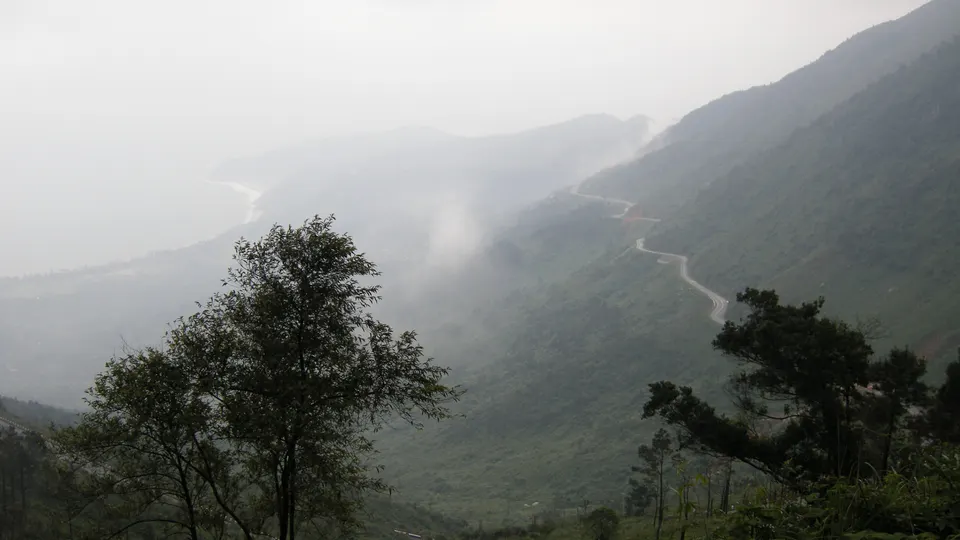
Vietnam lies in both tropical and temperate zones and has strong monsoon influences, according to the national tourism authority, and its climate changes across the year and from region to region (VNAT). The North has four distinct seasons, most noticeable from the Hai Van (Hải Vân) Pass northward. The South has two: a rainy season from May to November and a dry season for the rest of the year. Between them, the central coast keeps its own timetable, with a late rainy season that peaks in autumn.
That is why a single “best time” from a travel brochure can mislead. The same authority’s travel site does name March to May as the best weather countrywide, and that is the safest window if you want to see the whole country in one trip. Outside spring, the practical approach is to start with the regions you most want to see, check their good season below, and treat the rest of the route as a trade-off. Vietnam also sees six to ten storms and tropical depressions a year, so for coastal and island plans, the season is only half the answer: the forecast in the week you travel matters too.
When to visit North Vietnam: Hanoi, Ha Long Bay and Sa Pa
North Vietnam is best roughly April to June and September to November. The Vietnam National Authority of Tourism recommends April to June or September to December for Hanoi, and April to June or September to November for Ha Long Bay (VNAT). Hanoi’s rainy season runs from May to September, and its dry season from October to April.
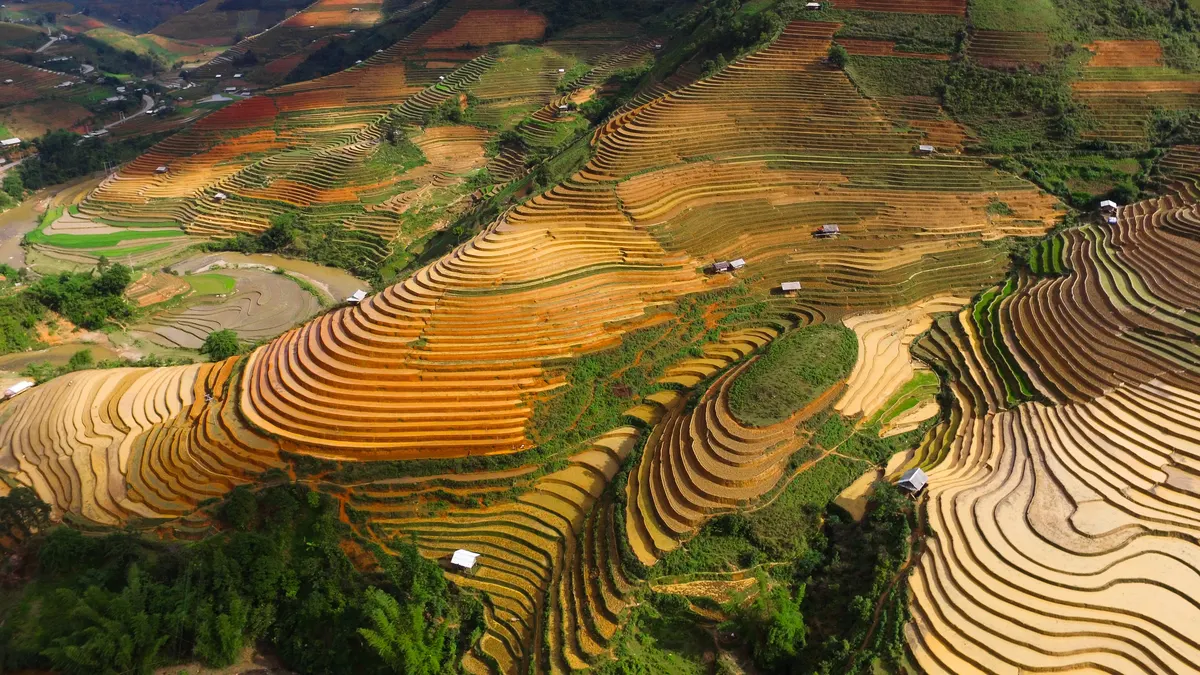
The two other seasons are real seasons, not just “off”. Winter, from about December to March, is cool to cold, misty and cloudy in Ha Long and Sa Pa, and VNAT mentions lows of around 10 °C in Hanoi from late December. Sa Pa sees occasional snow in January, so pack warm layers. Summer, June to August, is hot, humid and stormy in Ha Long and Sa Pa. Vietnam Airlines’ travel guide calls autumn “arguably the best season” in the North, with crisp air and golden rice terraces in Sa Pa and Mu Cang Chai (Mù Cang Chải). For what each season looks like on the terraces, see our Sa Pa guide.
When to visit Hue, Da Nang and Hoi An
The central coast is the region where timing matters most. Its rain comes late in the year: VNAT describes Hue as having a late rainy season, with cool, rainy, cloudy weather from September to February and occasional flooding from September to November. In Hoi An, it warns that tropical storms “hit Central Vietnam hard” from September, and that September to November brings a lot of rain and some floods. Da Nang, the national tourism portal adds, is hit by storms every year in September and October.
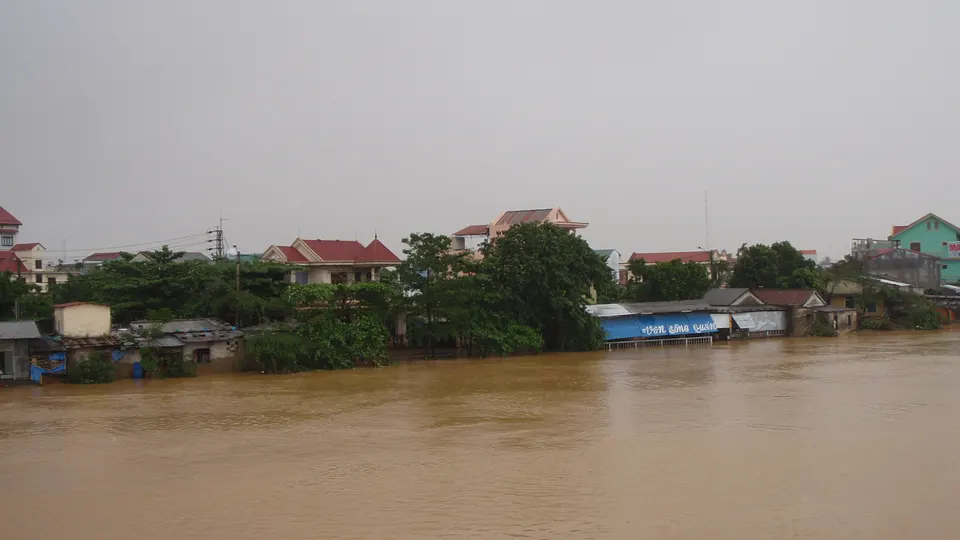
The floods can be severe. In late October 2025 the Thu Bon (Thu Bồn) River, which runs through Hoi An, rose to 5.62 m, above its historic 1964 flood level, and in Hue the Bo (Bồ) River crested above the record flood of 2020 (VnExpress International). The local tourism industry treats September to December as Da Nang’s low season, VietnamPlus reports, and Hue now runs festivals across all four seasons to draw visitors in the rainy months. The same report stresses that storms, flash floods and landslides “cannot become tourism products”.
November 2026. The national hydro-meteorological forecast centre expected heavy rain in November 2026 to be concentrated in Central and South Vietnam, with fewer storms and tropical depressions in the East Sea than the long-term November average of 1.5, of which 0.9 make landfall, VietnamPlus reported on 1 November. On 17 November Hue asked its wards and communes to prepare for 200–300 mm of rain, more than 350 mm in places, from 19 to 22 November, together with a sharp drop in temperature. Fewer storms do not mean a dry month on this coast.
So what? Vietnam Airlines’ guide puts the central coast’s dry season at January to August and recommends February to May for sightseeing, or June to August for beach holidays. Lonely Planet suggests January to March for Hue and Hoi An, and warns that July and August bring domestic holiday crowds to the coast. If your dates fall in October or November, keep a flexible day, book refundable rooms, and read our Hoi An guide for how floods affect the old town. Hoi An has been part of Da Nang city since 1 July 2025, when the former Quang Nam (Quảng Nam) province merged into it.
When to visit Nha Trang and Quy Nhon
Head a few hundred kilometres south along the coast and the rainy season shortens. VNAT says Nha Trang has the shortest rainy season in Vietnam, with cool, rainy, cloudy weather from September to December. Khanh Hoa province’s tourism department puts more than 75% of the province’s yearly rain in those three to four months, and says that in Nha Trang city itself the rainy season lasts only about two months (Khanh Hoa tourism department).
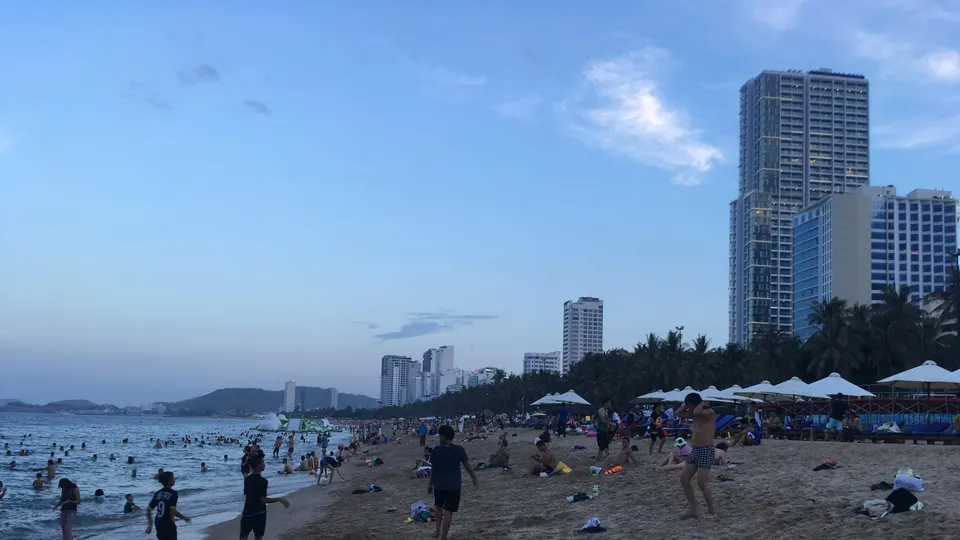
That leaves a long dry season, roughly January to August, which is why Nha Trang is the central coast’s most dependable beach base for much of the year. A short rainy season can still be destructive: in November 2025, VnExpress International reported 100,000 properties underwater in Khanh Hoa. Quy Nhon, now in Gia Lai province after the former Binh Dinh (Bình Định) province merged into it in 2025, follows a similar rhythm. Vietcetera describes a wet season from about August to December, with most of the rain between September and November, and names March and April as great months to visit.
When to visit the Central Highlands: Da Lat and Buon Ma Thuot
The highlands run on almost the opposite timetable to the coast below them. Here the rainy season is roughly May to October: VnExpress gives May to October for Dak Lak (Đắk Lắk), the coffee province around Buon Ma Thuot, and May to November for Lam Dong (Lâm Đồng), the province around Da Lat (VnExpress). VNAT starts Da Lat’s rainy season in April and describes November to May as cool to cold, dry and clear.
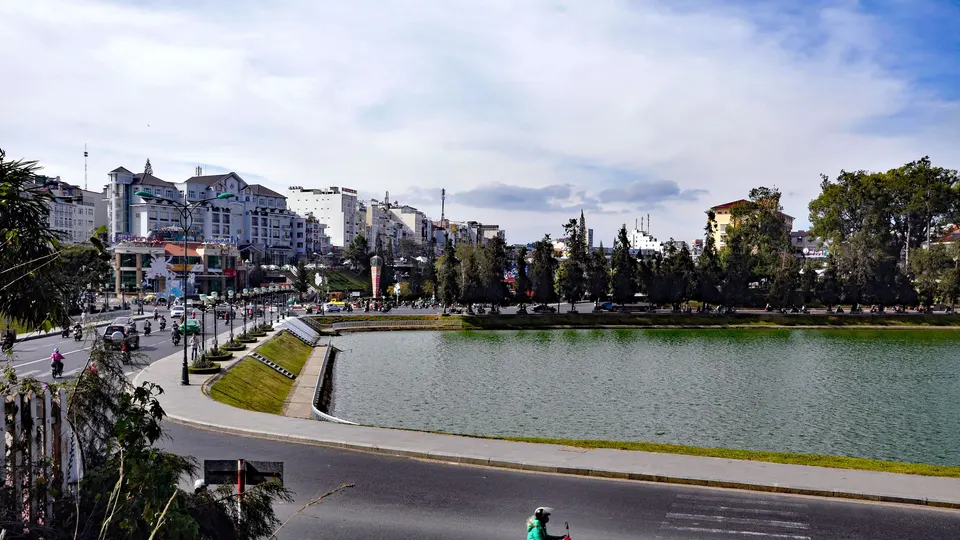
The best window is therefore the dry season, roughly December to March or April. VnExpress calls late November the most beautiful time in Dak Lak, when the rains have ended and the waterfalls are still full. In the rainy months, it notes, landslides often affect roads in Lam Dong, so check warnings before driving mountain passes. Altitude keeps Da Lat mild all year; VnExpress puts Lam Dong’s average temperature at about 18–25 °C, so the season decides how wet your trip is rather than how hot. If you are choosing between Da Lat and the northern hill town of Sa Pa, whose best seasons fall in different months, our Da Lat vs Sa Pa comparison sets out both calendars month by month.
When to visit South Vietnam and Phu Quoc
South Vietnam has the simplest pattern: hot all year, dry from December to April and wet from May to November, according to VNAT for Ho Chi Minh City and the Mekong Delta. Vietnam Airlines’ guide notes that wet-season rain usually comes as heavier showers in the late afternoon, so mornings often stay usable for sightseeing. If you travel in December, our Vietnam in December guide shows which regions are dry that month and what to book early.
Phu Quoc, the island off the south-west coast, has a shorter wet season. VNAT describes July to September as stormy, hot and humid, and October to June as clear and sunny, which makes Phu Quoc the obvious beach choice in the northern winter, when the central coast is still wet or cool. Since July 2025 Phu Quoc has been part of An Giang province, which absorbed the former Kien Giang (Kiên Giang) province.
Best time by trip type: trekking, Ha Long cruises and beaches
Seasons matter most when the trip depends on the weather. These are the windows the sources point to; the regional sections above explain the trade-offs.

| Trip type | Best window | Plan around |
|---|---|---|
| Trekking in Sa Pa | Late April to June; September to November | Water-filling season on the terraces from late April into May, sometimes June; golden rice in autumn; cold, misty winters |
| Ha Giang (Hà Giang) loop | October to December for buckwheat flowers | Stormy summers in the northern mountains |
| Ha Long Bay cruise | April to June; September to November | Storms in June to August can suspend all sailings; winter mist |
| Central coast beaches (Da Nang, Hoi An) | Roughly February to August | Storms and floods from September; domestic crowds in July and August |
| Nha Trang and Quy Nhon | Roughly January to August | Short but intense rains, mainly September to December |
| Southern islands (Phu Quoc) | October to June | Stormy July to September |
Trekking in the northern mountains. VNAT calls Sa Pa “near-perfect” in late April. Viet Nam News recommends late April into May, and even June, for the water-filling season (mua nuoc do (mùa nước đổ)), when farmers flood the terraces of Sa Pa, Mu Cang Chai and Hoang Su Phi (Hoàng Su Phì). In Ha Giang, now part of Tuyen Quang (Tuyên Quang) province after the 2025 merger, buckwheat flowers (hoa tam giac mach) are expected from mid-October to late December, and the Vietnam News Agency reported a buckwheat flower festival in late November 2022.
Ha Long Bay cruises. Book in spring or autumn if you can, and choose a cruise operator with a clear weather policy. When Typhoon Wipha approached in July 2025, Quang Ninh’s waterway authority suspended all tourist boats in the bay, and a cruise company told guests to change their plans or ask for their deposits back (Tuoi Tre News). Our Ha Long Bay guide covers the bay and Lan Ha (Lan Hạ) in more detail.
Beaches. Match the beach to the month: the central and south-central coast from spring to late summer, Phu Quoc in the northern winter. Lonely Planet notes that hotel rates in beach resort areas can rise by as much as 50% in the domestic summer holidays, so book July and August early.
Tet 2027 and other dates to plan around
Tet Nguyen Dan (Tết Nguyên Đán), the Lunar New Year, is the biggest date in the Vietnamese calendar and the one most likely to change your plans. In 2027 the first day of Tet falls on Saturday 6 February, the start of the Year of the Goat (Dinh Mui). Vietnam’s Ministry of Home Affairs has set the public-sector holiday from Thursday 4 to Wednesday 10 February 2027, five days off plus the weekend, under Notice 11483/TB-BNV of 9 October 2026 (Ha Tinh provincial portal).
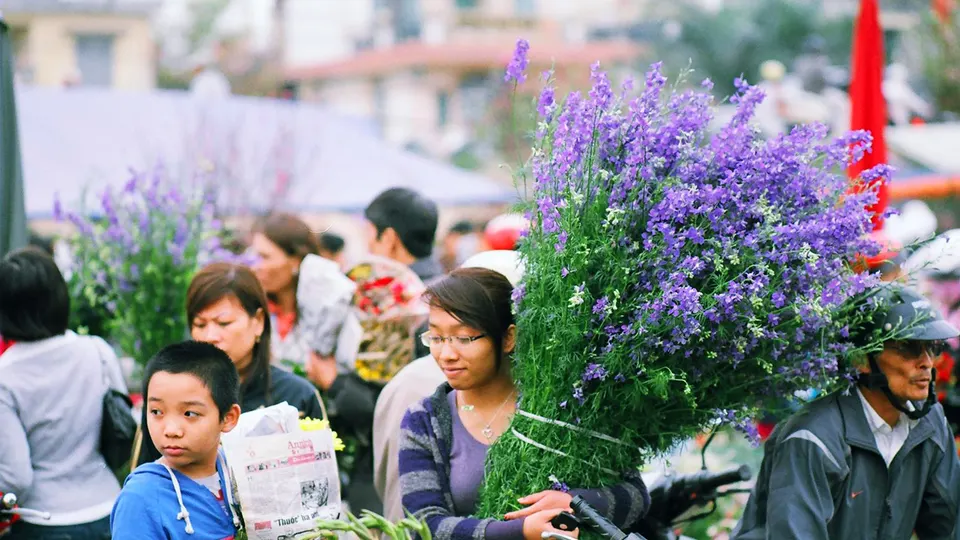
What it means for travellers. Before Tet, demand for long-distance transport soars. For Tet 2026 the rail sector expected the travel peak to run for about five weeks around the holiday, and train tickets on southern routes for the peak days before Tet sold out, DTiNews reported. During the first days of the new year, cities empty: on the first day of Tet 2025, most traders around Dong Xuan (Đồng Xuân) Market in Hanoi’s Old Quarter had closed. The run-up brings flower markets and decorations to the cities; the first days of the new year are quieter, with fewer places open to eat. Our guide to Tet across the three regions explains the customs you will see.
Other 2027 dates. The National Day holiday (Quoc khanh) runs from Thursday 2 to Sunday 5 September 2027, CafeF reports, so expect busier transport around it. In the North, buckwheat season in Ha Giang runs from about mid-October; on the central coast, keep autumn plans flexible for storms.
How to plan a trip through all three regions
If you can choose your dates freely, March to May is the one window that works almost everywhere. If you cannot, plan around the region that matters most to you and accept the trade-off elsewhere.

- Travelling in spring (March to May): the easiest whole-country trip. The South is still dry, the central coast is in its dry season, and the North is warming up.
- Travelling in autumn (September to November): the North is at its best and the highlands are drying out by late November, but the central coast between Hue and Quy Nhon is in its storm and flood season. Keep those stops short and flexible.
- Travelling in the northern winter (December to February): enjoy the dry South, Phu Quoc and the Central Highlands; pack warm layers for Hanoi, Ha Long and Sa Pa, and check whether your dates touch Tet.
- Travelling in summer (June to August): the central and south-central beaches are dry but busy, the South has afternoon showers, and northern cruises and mountain trips are at the mercy of storms.
Whatever the season, check the forecast before boat trips and mountain drives, book transport early around Tet and public holidays, and read the destination guide for each stop.
Frequently asked questions
Which month should I visit Vietnam for a north-to-south trip?
March to May, which the Vietnam National Authority of Tourism calls the best weather countrywide. In March and April the South is still dry, the central coast is in its dry season and Hanoi has left its winter chill behind.
Is it safe to visit Hue and Hoi An in November?
You can go, but keep plans flexible: September to November is the central coast's main flood season, and on 17 November 2026 Hue's authorities forecast 200–300 mm of rain, more than 350 mm in places, for 19–22 November. Book refundable rooms and check river and road warnings each day.
When is typhoon season in Vietnam?
It depends on the coast: the North sees stormy weather in June to August, and tropical storms hit Central Vietnam hardest from September, with the heaviest rain and floods between September and November. For November 2026 the national forecast centre expected fewer storms than the long-term average of 1.5 in the East Sea, but heavy rain in Central and South Vietnam.
When is Tet in 2027, and will things be closed?
The first day of Tet, the Lunar New Year, is Saturday 6 February 2027, and the official holiday runs from Thursday 4 to Wednesday 10 February 2027 under a Ministry of Home Affairs notice of 9 October 2026. Transport books out before it and many family-run shops close for the first days.
Is the rainy season still worth visiting Vietnam?
Often, yes, because the regions' rainy seasons do not overlap: when the central coast is wet in autumn, the North is in one of its best windows. In the South, wet-season rain usually comes as heavy late-afternoon showers rather than all-day rain.
Key sources
- Weather and climate in Vietnam · Vietnam National Authority of Tourism (vietnam.travel)
- About Viet Nam: climate · Vietnam National Authority of Tourism (vietnamtourism.vn)
- Climate · Khánh Hòa Department of Culture, Sports and Tourism
- A year under water: Record floods sweep Vietnam from megacities to tourist hubs in 2025 · VnExpress International, 25 December 2025
- Tháng 11/2026, mưa to có khả năng tập trung tại khu vực Trung Bộ và Nam Bộ · VietnamPlus (VNA), 1 November 2026
- Cẩm nang du lịch Đắk Lắk · VnExpress, 21 April 2022 (updated 4 January 2024)
- Ha Long Bay tourist boats banned from departing as typhoon Wipha nears · Tuổi Trẻ News, 20 July 2025
- Tết Nguyên đán 2027, công chức, viên chức được nghỉ 7 ngày liên tục · Hà Tĩnh Provincial Portal (hatinh.gov.vn), 9 October 2026
All 20 sources and further reading
- Seasons in Vietnam · Vietnam Airlines travel guide
- Huế chủ động phòng tránh gió mạnh trên biển, điều tiết các hồ ứng phó mưa to · VietnamPlus (VNA), 17 November 2026
- Turning rainy season into tourism opportunity · VietnamPlus (VNA), 1 September 2026
- Cẩm nang du lịch Lâm Đồng · VnExpress, 6 November 2024
- The best time to travel to Quy Nhon · Vietcetera, 19 July 2019
- Water-filling season turns northwestern rice fields into a masterpiece · Việt Nam News, 22 May 2026
- Buckwheat flower festival returns to Ha Giang in November · Vietnam News Agency, 29 September 2022
- Best time to visit Vietnam · Lonely Planet
- Bộ Nội vụ thông báo chi tiết lịch nghỉ Tết âm lịch, Quốc khánh 2027 · CafeF, 10 October 2026
- Train and bus tickets sell out as Tet travel peak nears · Dân Trí International (DTiNews), 22 January 2026
- Hanoi quiet on Tet holiday · Dân Trí International (DTiNews), 29 January 2025
- Names and administrative centers of 34 provinces and centrally-run cities specified · Government of Viet Nam online newspaper (baochinhphu.vn), 15 April 2025
Keep exploring
 Central Vietnam · Travel Hue (Huế): How Many Days, What to See, 2026 Tickets How many days Hue needs, which Citadel sights and royal tombs to pick, 2026 ticket prices, the flood months to avoid and where to eat in the old royal capital.
 South Vietnam · Travel Mekong Delta: Which Area to Visit and Where to Base Which part of the Mekong Delta to visit and where to base: Can Tho, Ben Tre or Chau Doc, Cai Rang market hours, seasons, where to eat, new province names.
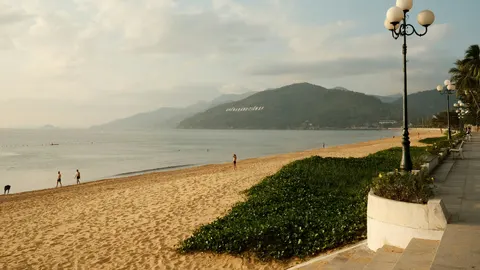 Central Vietnam · Travel Quy Nhon (Quy Nhơn): Is It Worth It and How Many Days? Is Quy Nhon worth it, and for how many days? Cham towers, Ky Co and Eo Gio, where to eat banh xeo, flights and the dry season, checked November 2026.