All three regions · Travel
Money in Vietnam: Cash, Card or QR, and Whom to Tip
Money in Vietnam as of November 2026: cash, card or QR, which visitors can scan VietQR, ATM limits and fees, legal money exchange and whom to tip.
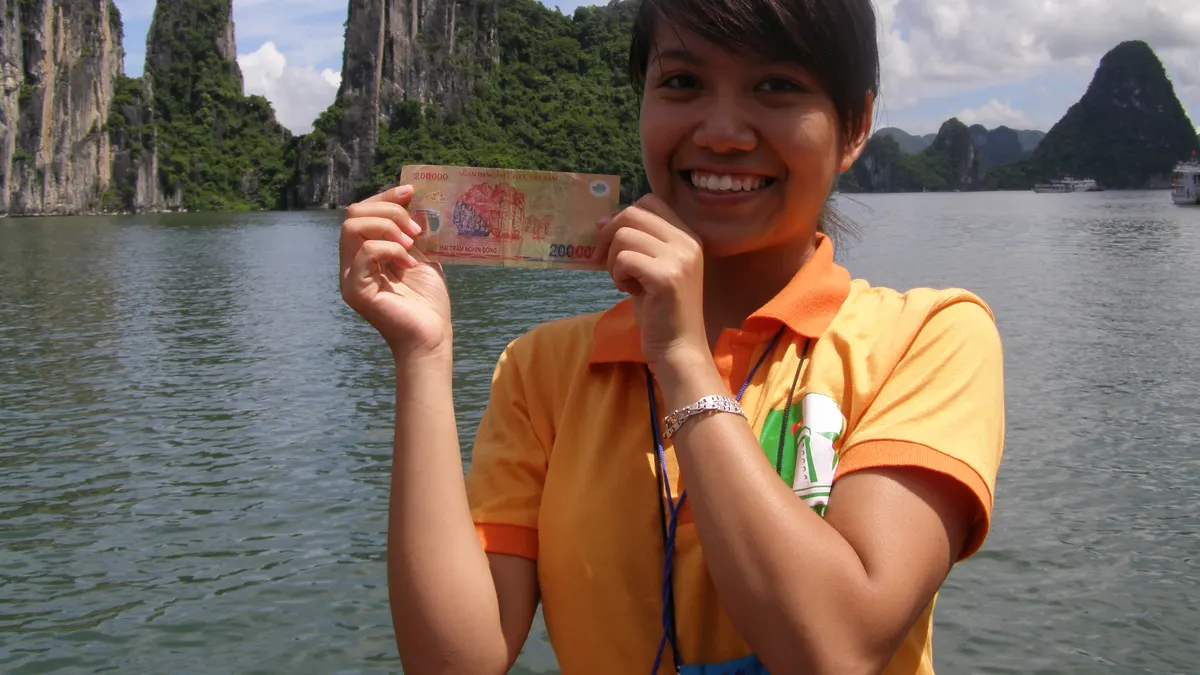
Pay for small things in cash and big things by card. In Vietnam, street food, markets, small shops, taxis hailed on the street and tips are paid in dong (đồng), the national currency, while hotels, tours, restaurants, shops and spas generally take international cards. As of November 2026, only visitors whose home apps are linked to Vietnam’s QR network, from China, South Korea, Thailand, Laos, Cambodia and Singapore, can pay the QR codes shown at almost every counter; visitors from Europe, North America and Australia cannot yet. Tipping is optional, usual mainly at spas and for guides and drivers.
This page is the money part of our Vietnam travel planning hub, alongside getting around Vietnam. It explains the notes, how to get dong without losing money, what the lines on a bill mean and whom to tip, then ends with a step-by-step money plan. Rules, rates and limits come from official pages and dated press reports, with their dates. If you are moving rather than visiting, our cost of living comparison of Hanoi, Da Nang and Saigon covers bills, wages and flat prices.
Money in Vietnam at a glance
| Situation | Best way to pay | Why (source) | Watch out |
|---|---|---|---|
| Street food, markets, small shops | Cash, small notes | Cash is still needed for small purchases and street vendors (VNAT) | Check 20,000 vs 500,000 notes |
| Hotels, tours, restaurants, shops, spas | International card | Generally accepted (VNAT) | Pay in dong, not your home currency |
| Ride-hailing apps | Card linked in the app | Fare shown before you ride | Link a card before you land |
| Taxis hailed on the street | Cash or contactless | Many taxis take contactless cards (VNAT) | Ask for your change |
| Paying by QR code | Only with a linked home app | Linked: China, Korea, Thailand, Laos, Cambodia, Singapore (VnBA, Nov 2026) | No general scheme for Western visitors |
| Getting dong | Bank ATM or bank counter | Typical limit 2–3 million dong a withdrawal at local banks (VNAT) | Fees shown on screen; take a second card |
| Changing dollars or euros | Bank or licensed exchange agent | Unlicensed exchange is illegal; fines from US$1,000 (Bao Van Hoa, Dec 2025) | A gold shop must show its licensing bank |
| Bringing cash in or out | Declare above the threshold | Over US$5,000 or 15 million dong (Thue Hai Quan, May 2026) | Fines since 1 July 2026 |
| Tips | Cash, by hand | Usual at spas and for guides and drivers | Never under pressure |
Which dong notes will you handle, and which ones get mixed up?
You will mostly handle six polymer notes: 10,000, 20,000, 50,000, 100,000, 200,000 and 500,000 dong. The State Bank of Vietnam also lists older paper notes of 5,000 dong and below, and VNAT notes that only notes, not coins, are in everyday use. In late 2026 one US dollar bought roughly 25,600 to 26,050 dong, Vietnam’s national tourism site said, so a 500,000 note is worth about US$19.
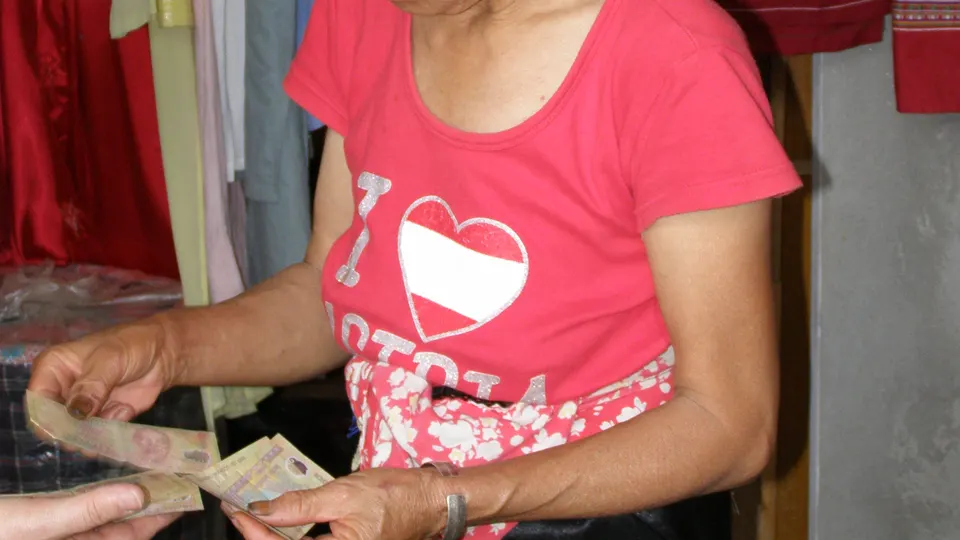
The two pairs to watch. The 20,000 and 500,000 notes come in similar shades of blue, and the national tourism authority (VNAT) tells visitors to double-check before they pay. The 10,000 and 200,000 notes are a second pair: the State Bank describes the 10,000 as dark brown on a yellow-green background and the 200,000 as brown-red. Sizes help a little, because the notes grow with their value, from 132 mm long for the 10,000 to 152 mm for the 500,000 (State Bank of Vietnam). In dim light, read the zeros.
| Note | Material | Main colour (SBV) | Picture on the back (SBV) | Easy to confuse with |
|---|---|---|---|---|
| 500,000 | Polymer | Blue and dark violet | Ho Chi Minh’s house at Kim Lien | 20,000 |
| 200,000 | Polymer | Brown-red | Ha Long Bay | 10,000 |
| 100,000 | Polymer | Dark green | Temple of Literature, Hanoi | – |
| 50,000 | Polymer | Red-violet brown | Nha Rong Wharf, Saigon | – |
| 20,000 | Polymer | Dark blue | Japanese Covered Bridge, Hoi An | 500,000 |
| 10,000 | Polymer | Dark brown on yellow-green | Oil and gas field | 200,000 |
Drop three zeros. VNAT suggests dropping the last three zeros to make prices easier to handle: 50,000 dong becomes 50. Keep large and small notes in different pockets, and break a 500,000 note at a hotel or supermarket rather than at a street stall. Crisp new notes are also what families give at Tet; our guide to lucky money (li xi) explains that custom.
Cash, card or QR: what works where?
Most visitors need both cash and a card. Hotels, tour operators, restaurants, shops, grocery stores and spas generally accept international cards, and many businesses and taxis take contactless payment, while small purchases and street vendors still need cash, according to VNAT (vietnam.travel).
Which way to pay: cash, card, QR or exchange?
| Option | Cost to you | Effort | Who it suits |
|---|---|---|---|
| Cash in dong from a bank ATM | The Vietnamese bank’s fee shown on screen, plus your home bank’s fee | Low; check notes and count change | Everyone, for street food, markets, small shops, taxis and tips |
| International card, contact or contactless | Your card provider’s conversion rate and fees; pay in dong | Lowest; tap at hotels, restaurants, shops and many taxis | Everyone, for hotels, tours, restaurants, shops and spas |
| QR code with your home app | Set by your home app | Low, as at home | Only visitors from China, South Korea, Thailand, Laos, Cambodia and Singapore (as of November 2026) |
| Changing cash at a bank or licensed agent | The counter’s exchange rate | Higher; opening hours, closed at Tet | Visitors who already carry dollars or euros; never at an unlicensed gold shop |
Cards. Contactless payment has spread fast: Visa told Tuoi Tre in May 2026 that it accounts for about 80% of Visa transactions in Vietnam, up from about half three years earlier. Bring two cards from different networks in case one is refused. When a terminal or ATM offers to charge you in your home currency, choose dong; your card provider sets the conversion rate and any fees, VNAT notes.
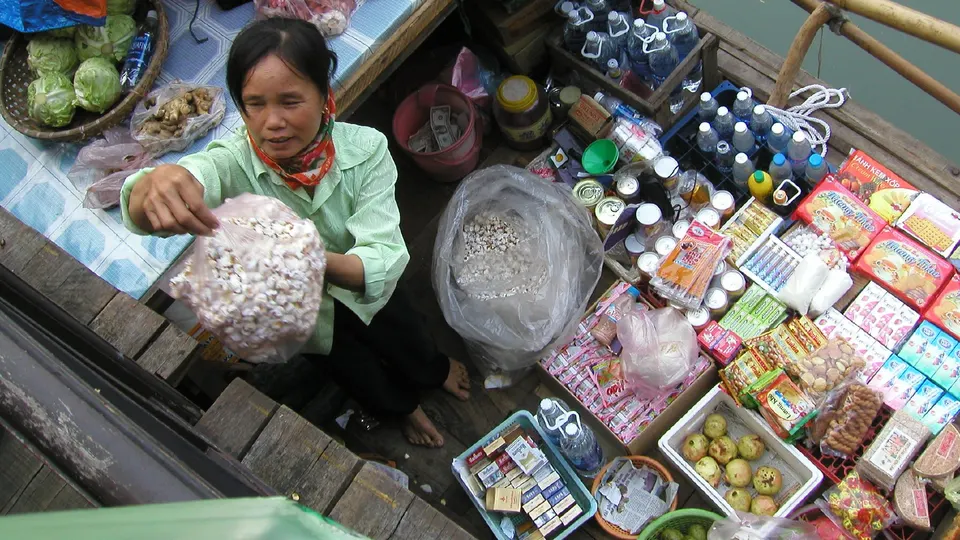
Cash. Street food, markets, small family shops, boat vendors, parking attendants and most tips are cash. Take extra cash before you head to remote areas, VNAT advises, especially if you want to buy crafts directly from the people who make them.
US dollars. Do not plan to pay in dollars. Vietnamese rules restrict prices and payments in foreign currency to exceptions such as duty-free shops (State Bank Circular 32/2013), so prices are in dong.
Apps. In the cities, ride-hailing apps let you link a card and see the fare before you ride; our transport guide, linked above, compares them, and our guide to SIM cards and eSIMs in Vietnam explains how to get the mobile data they need.
Can foreigners pay by QR code in Vietnam?
Some can. Many Vietnamese shops and stalls display VietQR codes, which locals scan with their bank apps. A visitor can pay one only if their own payment app is connected to Vietnam’s national payment switch, NAPAS, or to a Vietnamese payment company with such links.
Who can, as of November 2026. NAPAS connected with China’s UnionPay in December 2025, Alipay in April 2026 and Weixin Pay (WeChat Pay) in August 2026, finished a two-way link with Singapore and completed the service for South Korean visitors paying in Vietnam; visitors from Thailand, Laos and Cambodia also pay this way (VietnamPlus). Singaporean visitors can scan the codes with LiquidPay, Aleta Planet, DCS DeCard or Starryblu, Tuoi Tre News reported in August 2026, and the payment company VNPAY accepts apps from China, Thailand, Laos, Cambodia and South Korea. On 5 November 2026 the Vietnam Banks Association reported that NAPAS had completed QR links with these six countries and was still connecting Taiwan and India, while promoting the service, called VietQRGlobal, on hop-on hop-off tour buses in Hanoi and Ho Chi Minh City.
Everyone else. None of the 2026 reports we checked, up to November, mentioned a way for visitors from Europe, North America or Australia to pay Vietnamese QR codes with their own apps. Until that changes, pay those shops in cash or by card. Banks are building the merchant side: in September 2026 VietinBank launched a service that lets shops accept foreign e-wallets and bank apps on the same QR code they use for local customers, settled in dong, for visitors from the same six countries, the Vietnam Banks Association reported.
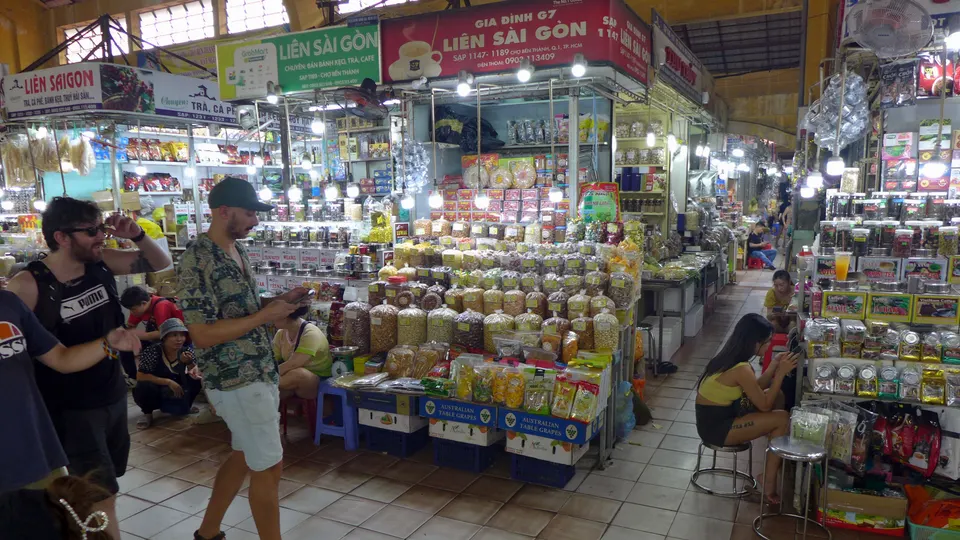
How common QR is. A food-stall owner at Ben Thanh (Bến Thành) Market in Ho Chi Minh City told Viet Nam News in September 2026 that about 70% of her customers pay without cash. That is why a stall may look surprised when you hand over a 500,000 note: carry small notes.
How do you get dong: ATMs, banks or exchange counters?
Use bank ATMs for most of your cash. International cards such as Visa work at more than 20,000 ATMs, and there are ATMs just outside the arrival gates at major airports, VNAT says. You can also change cash at airport counters before the exit, at banks and at hotels.
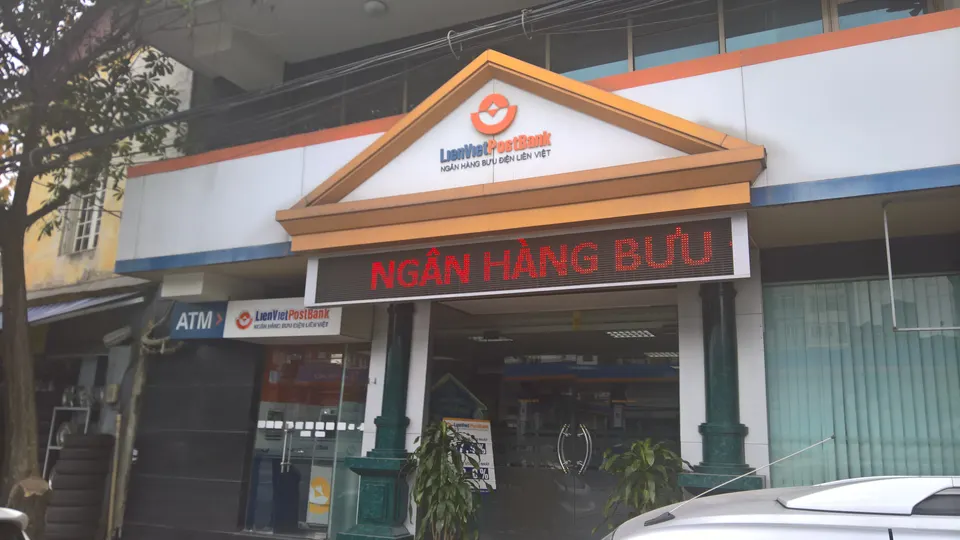
Withdrawal limits. VNAT puts typical limits at 2 to 3 million dong per withdrawal at local bank ATMs and 5 to 10 million dong at international banks’ machines. Smaller withdrawals mean more fees, so take the largest amount you are comfortable carrying.
Fees. Expect two charges: the Vietnamese bank’s own fee, shown on screen before you confirm, and whatever your home bank charges. Local banks routinely charge a fixed fee on foreign-card withdrawals, and in Wise’s data for February to July 2025 Vietnam came out as the most expensive country for third-party ATM fees, eCommerceNews reported. We found no current official fee list for foreign cards, so read the screen and cancel if the fee is too high; another bank’s machine may charge less.
Bringing cash. If you carry cash into or out of Vietnam, declare it to customs when it is more than US$5,000 in foreign currency or more than 15 million dong. Since 1 July 2026 failing to declare, or declaring falsely, can be fined from 1 to 3 million dong for smaller amounts up to 30 to 50 million dong for large ones (Thue Hai Quan).
At Tet. Bank counters close for the whole Lunar New Year holiday, while ATMs and card payments keep running; our Tet 2027 travel guide has the dates.
Is it legal to change money at a gold shop?
Only at a licensed one. Many travel guides send visitors to gold shops (tiem vang (tiệm vàng)) for better rates, but a gold shop may exchange foreign currency only as an exchange agent licensed through a bank, and it must display a sign naming the authorising bank and the agent, PLO explains. Buying or selling currency at an unlicensed shop breaks the law, for the customer as well as the shop.
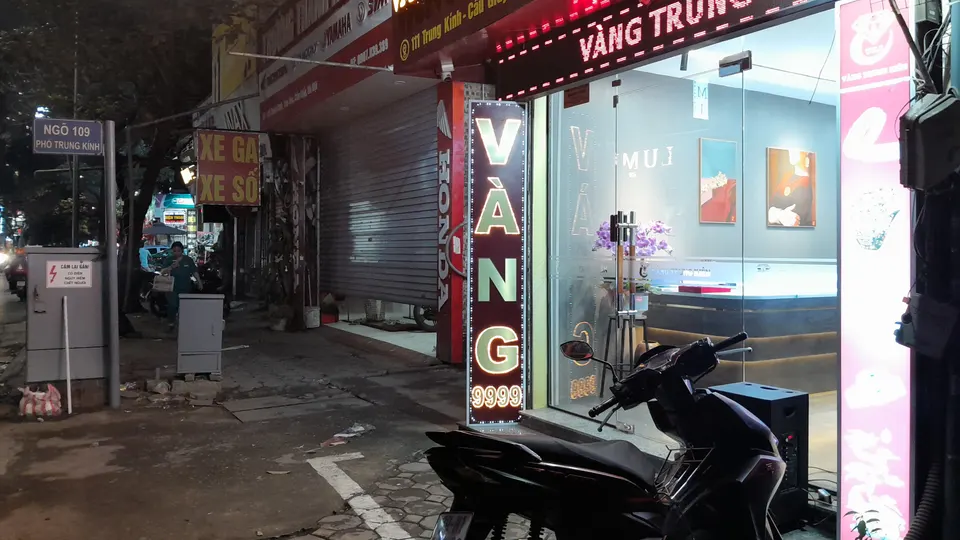
The fines since February 2026. Under Decree 340/2025, in force from 9 February 2026, an individual who buys or sells foreign currency at a place not allowed to exchange it receives a warning for amounts under US$1,000, a fine of 10 to 20 million dong for US$1,000 up to US$10,000, and higher fines above that; organisations pay double (Bao Van Hoa).
What to do. Change cash at a bank or an airport or hotel counter, or at a gold shop only if it shows the licence sign. For most visitors the simplest answer is not to bring much foreign cash at all and to use ATMs.
What do the lines on a restaurant or hotel bill mean?
Read the bottom of the bill and the small print on the menu. Prices may or may not include value-added tax (VAT) and a service charge, and since 2025 some small eateries add a separate tax line.
VAT at 8% until the end of 2026. Vietnam cut VAT from 10% to 8% on most goods and services normally taxed at 10%, with exclusions such as telecoms, banking and real estate, from 1 July 2025 to 31 December 2026 under Decree 174/2025 (SGGP). If you travel in 2027, check whether the cut has been extended or bills are back to 10%.
Tax lines at small eateries. When new e-invoice rules took effect in June 2025, some eateries began showing tax on the bill: a Hanoi noodle chain added 4.5% (3% VAT and 1.5% personal income tax), Znews reported. A financial adviser quoted in the same article said sellers should state clearly whether listed prices include VAT; if the menu does not say, ask before you order.
Service charges. In upscale international hotels and restaurants a service charge is usually included in the bill, VnExpress International wrote in 2018. If you see one, a tip is not needed unless the service was exceptional.
Do you tip in Vietnam? A situation-by-situation guide
Tipping is not a traditional Vietnamese custom, so there is no fixed rule, VNAT says; it is not expected at restaurants and cafes, though it is appreciated, and it is increasingly common at beauty salons and for private tour guides. Tip in cash and hand it to the person, discreetly.

| Situation | Expected? | What people do (source, date) |
|---|---|---|
| Street stalls, local eateries | No | Leaving small change is a friendly thank-you, not a duty (Tuoi Tre News, 2024) |
| Cafes | No | Generally no tip (Tuoi Tre News, 2024) |
| Upscale, chain or VAT-charging restaurants | No | No tip, especially where a service charge is on the bill (Tuoi Tre News, 2024; VnExpress, 2018) |
| Spas and massage | Usual | Staff are paid low wages and often depend on tips (Tuoi Tre News, 2024); 50,000–100,000 dong was called reasonable in 2018 (VnExpress) |
| Private tour guides | Usual | A guide said small European groups tip about US$5–7 per person (VnExpress, 2024) |
| Drivers and taxis | Optional | Let the driver keep the change only if you are happy with the service (VnExpress, 2018) |
| Boat rowers on tours | Optional | Tip if you wish; pressure for tips has drawn complaints (VnExpress, 2024) |
| Hotel porters and housekeeping | Optional | We found no dated Vietnamese source setting a norm; a small cash tip for extra help follows the same logic |
Habits differ by nationality. A guide with ten years’ experience told VnExpress International in 2024 that visitors from Japan, South Korea and Spain generally do not tip and that Americans often tip 10 to 15% of the bill (VnExpress). Neither is wrong.
Pressure. In the same report, an American couple said a rower on a Ninh Binh boat trip demanded tips and pushed souvenirs, and Vietnamese tourism operators called pushing for tips an improper attitude that harms the country’s reputation. You can say no politely. In a 2024 Tuoi Tre News column, a long-time resident advised never to feel forced to tip, because tipping is not part of Vietnamese culture.
Bargaining, overcharging and common money scams
Bargaining is normal in casual markets and tourist shopping streets, VNAT says: compare a few stalls to learn the going price before you agree. In shops with printed price tags, supermarkets and restaurants with menus, the price is the price.
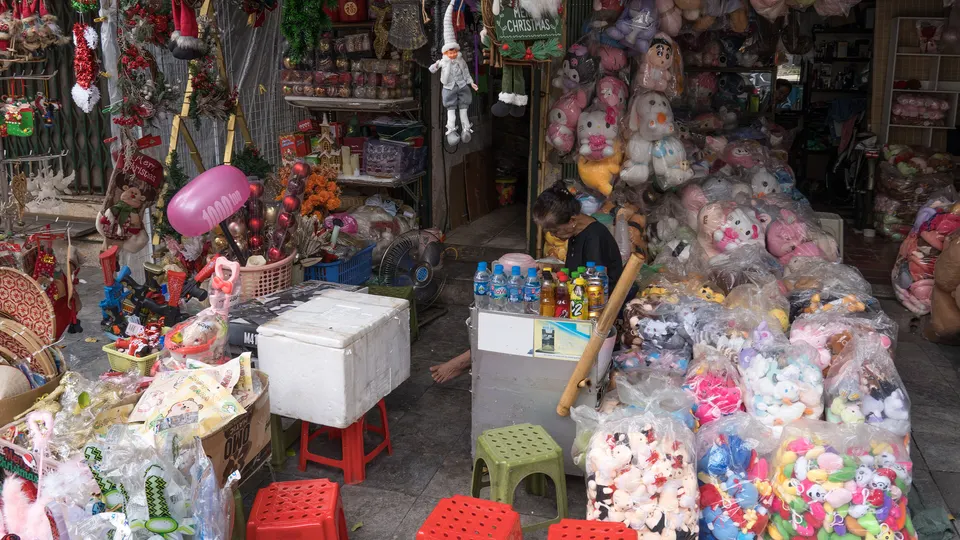
Overcharging happens, and is punished. In June 2026 a street vendor near Hoan Kiem (Hoàn Kiếm) Lake in Hanoi charged a foreign tourist 430,000 dong for ten fried cakes that sell for about 5,000 dong each; after the video spread, ward police fined her for unlicensed vending and told her to display prices (Tuoi Tre News). A Tuoi Tre News opinion piece in February 2026 described overcharging by a small group of street sellers and drivers who price by appearance, and noted that asking the price in Vietnamese often makes it disappear; our Vietnamese phrases guide has the basics.
How to avoid the common traps:
- Ask the price first, for street food, cyclo rides and anything without a price tag, and agree on it before you eat, ride or buy.
- Hand over notes one at a time and say the amount, so a 500,000 note is not taken for a 20,000.
- Count your change before you walk away, in taxis as well as at stalls.
- Use metered taxis or apps with the fare shown up front.
- Pay official fees only on official sites, such as the e-visa portal ending in .gov.vn; our Vietnam e-visa guide shows how to spot copycat sites.
- For tailoring, compare quotes across shops; our guide to Hoi An tailors explains how prices work there.
A step-by-step money plan for your trip
Money in Vietnam is easy once you have a routine. These steps use only the rules and practices above.
- Before you leave: tell your bank you are travelling, bring two cards on different networks, and check your home bank’s foreign ATM and card fees. Do not bring more than US$5,000 in cash unless you will declare it.
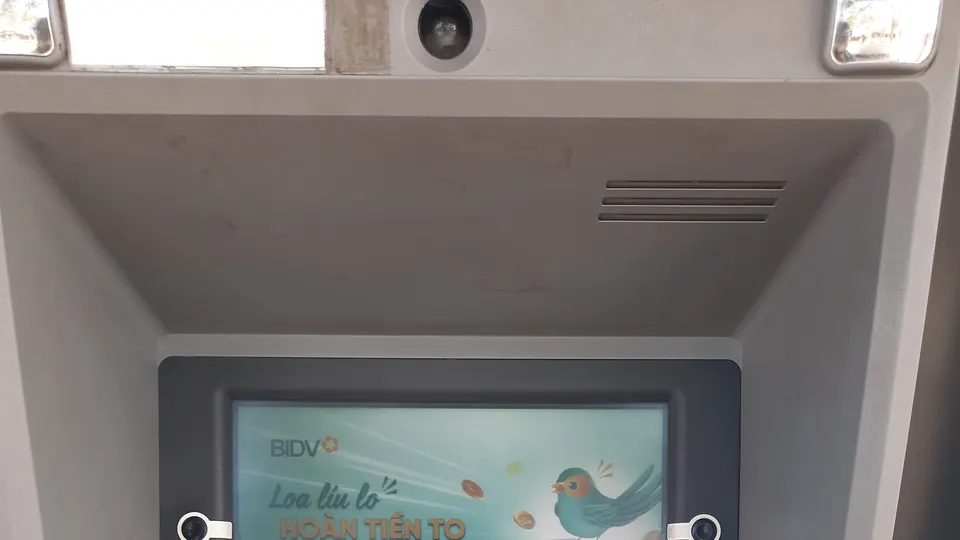
- On arrival: withdraw cash at a bank ATM in the airport, or change a small amount at the airport counter. Read the fee on screen before you confirm.
- In the city: link a card to a ride-hailing app, pay hotels, tours and restaurants by card in dong, and use cash for street food, markets and tips. Our Hanoi and Ho Chi Minh City guides show where you will spend most time.
- Every payment: check 20,000 against 500,000 and 10,000 against 200,000, and count your change.
- Before remote areas or Tet: withdraw extra cash, because small towns, craft villages and holiday closures all favour cash.
- When you need to change money: use a bank, an airport or hotel counter, or a gold shop showing its licensing bank, never an unlicensed one.
- Tipping: cash, by hand, at spas and for guides and drivers if you are happy; nothing is owed at stalls, cafes or restaurants with a service charge.
How much cash? That depends on your style of travel, and prices change; a simple rule is to keep enough small notes for a day of street food, coffee and taxis, and top up from ATMs as you go. Our two-week Vietnam itinerary shows how a typical route strings the cities together, so you can see where the next ATM stop will be.
Frequently asked questions
Can tourists from Europe or the US pay with QR codes in Vietnam?
Not as of November 2026. NAPAS's cross-border QR links cover visitors from China, South Korea, Thailand, Laos, Cambodia and Singapore, with Taiwan and India in progress, and none of the reports we checked mention Europe, North America or Australia, so pay by card or cash.
How much cash can I bring into Vietnam without declaring it?
Up to US$5,000 in foreign currency or 15 million dong; above that you must declare it to customs when you enter or leave. Since 1 July 2026, Decree 169/2026 fines undeclared or falsely declared cash from 1 to 3 million dong up to 30 to 50 million dong for large amounts.
Is VAT still 8% on restaurant and hotel bills in Vietnam?
Yes, until 31 December 2026: Decree 174/2025 cut VAT from 10% to 8% on most goods and services from 1 July 2025 to the end of 2026. For trips in 2027, check whether the cut has been extended or bills are back to 10%.
Can I pay in US dollars in Vietnam?
Generally no. Vietnamese rules restrict prices and payments in foreign currency to exceptions such as duty-free shops, so expect to pay in dong and change dollars only at a bank or a licensed exchange agent.
How much should I tip a tour guide in Vietnam?
There is no fixed rate. In a 2024 VnExpress report, a guide with ten years' experience said small European groups usually tip about US$5 to 7 per person; tip more or less depending on the service, in cash and directly to the guide.
Key sources
- Currency and payments in Vietnam · Vietnam National Authority of Tourism (vietnam.travel), checked 9 November 2026
- Tiền giấy và tiền polymer (banknotes in the current series) · State Bank of Vietnam (Ngân hàng Nhà nước Việt Nam)
- Thanh toán QR xuyên biên giới mở rộng dư địa cho du lịch, bán lẻ · VietnamPlus, 25 September 2026
- Phạt tới 100 triệu đồng nếu mua, bán ngoại tệ tại tổ chức không được phép thu đổi ngoại tệ · Báo Văn Hóa, 29 December 2025
- Từ 1/7, đi nước ngoài không khai báo trung thực có thể bị phạt tới 50 triệu đồng · Tạp chí Thuế – Hải quan, 28 May 2026
- Value-added tax reduction shall apply from July 1, 2025 to December 31, 2026 · SGGP, 2 July 2025
- Foreign tourists willing to tip in Vietnam, but fear pressure can ruin experience · VnExpress International, 29 June 2024
- Hanoi street vendor fined after charging foreign tourist over $16 for 10 fried cakes · Tuoi Tre News, 12 June 2026
All 21 sources and further reading
- Foreign tourists enjoy easier QR payments across Vietnam as cross-border network expands · Tuoi Tre News, 7 August 2026
- Int'l tourists can pay in Vietnam using familiar apps through VNPAY QR · Tuoi Tre News, 12 August 2026
- QR payments make Việt Nam more convenient for international visitors · Việt Nam News, 28 September 2026
- Int'l visitors spend more through digital payments in Vietnam · Tuoi Tre News, 27 May 2026
- VietinBank triển khai giải pháp VietQR Pay Global – chấp nhận thanh toán QR từ du khách quốc tế · Hiệp hội Ngân hàng Việt Nam (VnBA), 30 September 2026
- VietQRGlobal đồng hành cùng du khách trên hành trình khám phá Việt Nam (NAPAS campaign on Hanoi and Saigon tour buses) · Hiệp hội Ngân hàng Việt Nam (VnBA), 5 November 2026
- Mua bán đôla ở tiệm vàng, lưu ý để không bị phạt · Pháp Luật TP.HCM (PLO)
- Khách ăn bún, phở bỗng dưng phải gánh thuế cho chủ quán ăn? · Znews, 5 June 2025
- Complete guide to the tipping culture in Vietnam · VnExpress International, 11 May 2018
- On the tipping issue in Vietnam · Tuoi Tre News, 6 March 2024
- Overcharging foreigners: a habit Vietnam must leave behind · Tuoi Tre News, 13 February 2026
- Vietnam tops the list for high ATM fees faced by Kiwi travellers (Wise data, February–July 2025) · eCommerceNews New Zealand, 6 October 2025
- Circular No. 32/2013/TT-NHNN guiding restrictions on the use of foreign exchange in Vietnam · State Bank of Vietnam, via Thư Viện Pháp Luật
Keep exploring
 North · Central · South · Travel Getting Around Vietnam in 2026: Plane, Train, Bus or Grab How to get around Vietnam in 2026: plane vs train vs sleeper bus by route, Grab vs Green SM (Xanh SM), Long Thanh airport and motorbike licence rules.
 North · Central · South · Travel Vietnam E-Visa: Who Needs One, Cost and How to Apply Who needs a Vietnam e-visa in 2026, what it costs (US$25 or US$50), how to apply on evisa.gov.vn, how long it takes and the mistakes that cause problems.
 North · Central · South · Travel Tet 2027 in Vietnam: When to Travel and What's Open Travelling at Tet 2027 (4–10 Feb): when to book trains and flights, fares as of November 2026, Long Thanh airport, and what stays open in Hanoi, Hue and Saigon.
 North · Central · South · Travel 2-Week Vietnam Itinerary: Route, Flights or Night Train 14 days in Vietnam from Hanoi to the Mekong: day-by-day route, which legs to fly or take by train, train times and fares as of November 2026, and what to drop.