South Vietnam · Food
Banh Pia (Bánh Pía): Which to Buy and Where in Soc Trang
Banh pia, Soc Trang's flaky Teochew pastry: durian, mung bean, salted egg or can xai fillings compared, where to buy it, and how to store and carry it home.
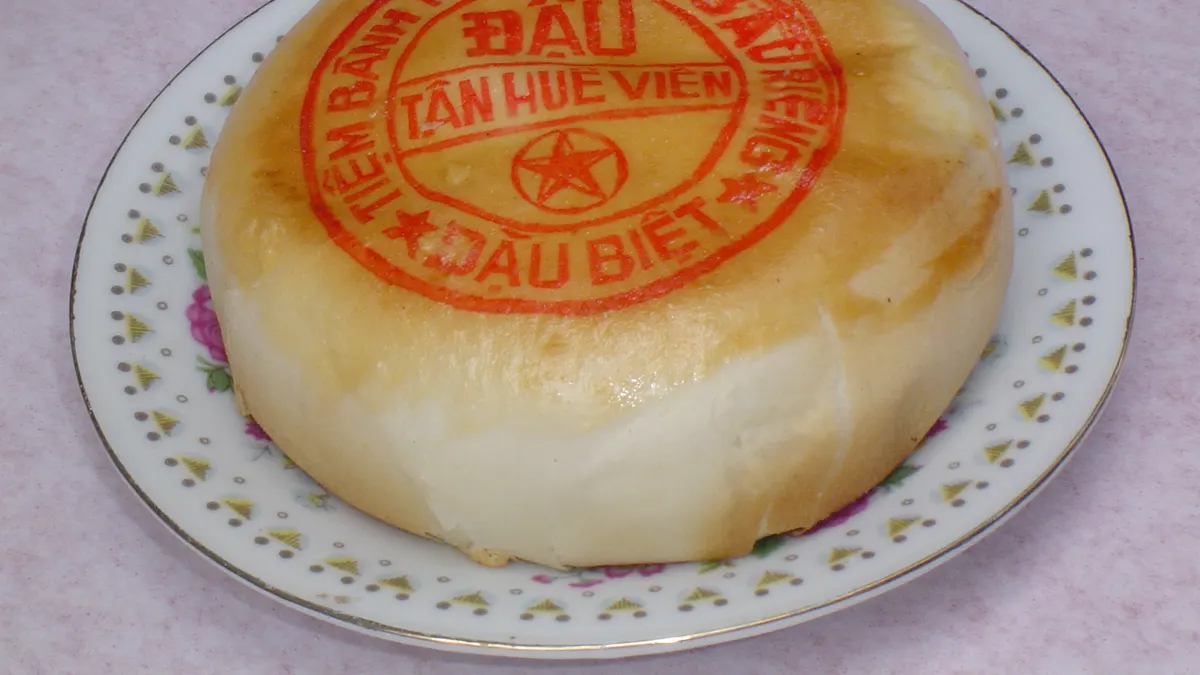
Banh pia (bánh pía) is Soc Trang’s flaky, round pastry: a thin crust of many layers around mung bean paste, pork fat and, most often, durian and a salted duck egg yolk. As of August 2026, Tuoi Tre counted more than ten businesses making it in the former Soc Trang province, now part of Can Tho city, some of them more than a century old, but only two still making the old savoury can xai version by hand (Tuoi Tre).
This page helps you choose a filling, understand where the cake comes from and buy it well. For the wider family of Mid-Autumn cakes, see our guide to Vietnamese mooncakes; for the region, the South Vietnam hub.
Banh pia at a glance
| Banh pia | |
|---|---|
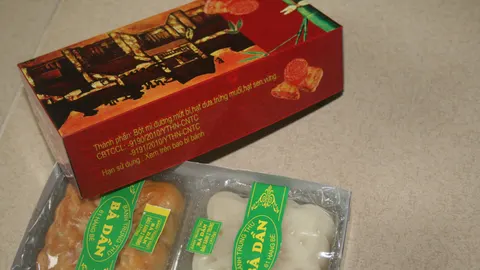
| What it is | A flat, round baked pastry with a thin, many-layered crust that peels in flakes, stamped in red with the bakery’s name |
| Classic filling | Mung bean paste with pork fat, durian and a salted duck egg yolk |
| Other fillings | Plain mung bean, taro, red or black bean, lotus seed, pineapple, vegetarian, sugar-free, cured pork, can xai (salted greens) |
| Where it belongs | Vung Thom, now Phu Tam commune, about 10 km from central Soc Trang; the former Soc Trang province is part of Can Tho city since 1 July 2025 |
| Roots | Teochew (Trieu Chau) Chinese mooncakes; pia means cake in Teochew |
| Status | Banh pia making in Phu Tam, Thuan Hoa and An Hiep communes: national intangible cultural heritage, announced in October 2020 |
| When people eat it | Traditionally at the Mid-Autumn Festival and Tet; today all year, with tea |
| Keeps | Up to about two months for factory-sealed cakes; about two weeks for the old handmade ones |
What is banh pia, and how is it different from a mooncake?
Banh pia is a baked pastry made from two doughs: a wet dough and an oily dough, both brushed with lard and folded together, so the crust is flaky like puff pastry but thinner and chewier, Saigoneer explains. People also call it banh lot da, the “peel-skin cake”, because the crust comes away in layers, and it is sometimes written banh bia.
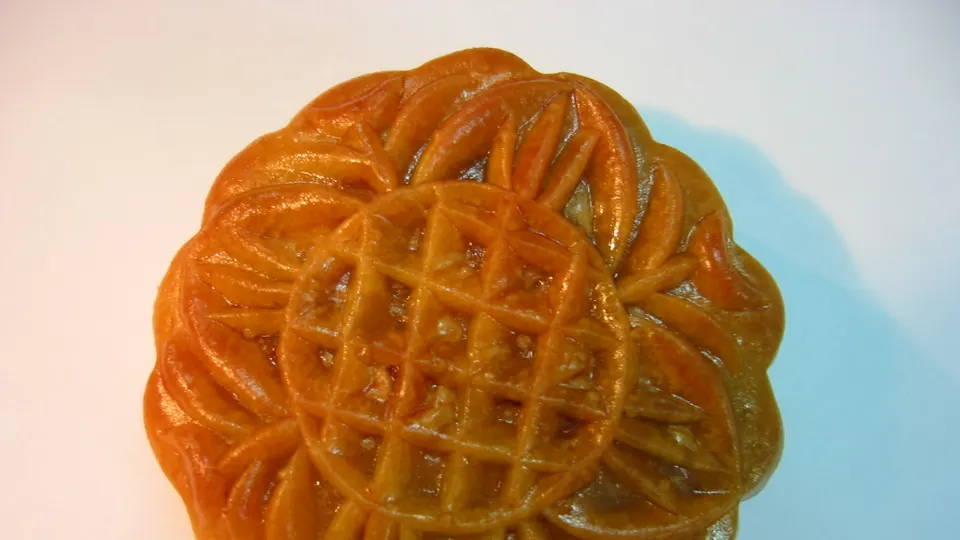
It is related to the mooncake but not the same cake. The familiar baked mooncake (banh nuong) has a moulded, glazed shell and a dense paste; banh pia has a plain, pale top with only a red stamp, a soft layered crust and a creamier filling. In many Mekong Delta provinces, including Soc Trang, Bac Lieu and Ca Mau, banh pia is the cake more often placed on the altar at the Mid-Autumn moon worship, a habit Saigoneer traces to Teochew pastry traditions. Our guide to the Mid-Autumn Festival explains the occasion, which fell on 25 September in 2026.
| Banh pia | Baked mooncake (banh nuong) | |
|---|---|---|
| Crust | Thin layers that flake and peel | One moulded, glazed shell |
| Look | Flat, pale, red bakery stamp | Raised pattern, brown and shiny |
| Typical filling | Mung bean, pork fat, durian, salted egg | Lotus seed, mixed nuts and cured meat, mung bean, salted egg |
| When sold | All year in Soc Trang | Mainly the weeks before Mid-Autumn |
| Home | Soc Trang, Mekong Delta | Nationwide |
Which banh pia filling should you choose?
Choose by how you feel about durian and whether you want sweet or savoury. Soc Trang bakeries now sell far more than the classic cake: Bao Quoc Te listed durian with mung bean, taro with durian, mung bean with pineapple, red bean, black bean, lotus seed, vegetarian, sugar-free, cured pork (lap thit), can xai and “kim sa” cakes in October 2024 (Bao Quoc Te).
| Filling | What it tastes like | Durian? | Who it suits |
|---|---|---|---|
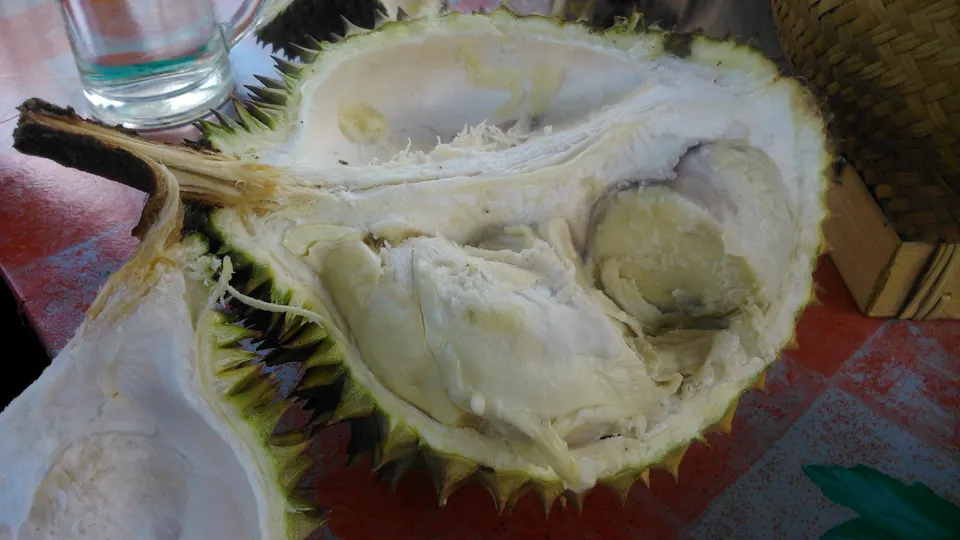
| Mung bean, durian and salted egg | Sweet, rich, strongly scented, with a salty yolk at the centre | Yes | First-timers who like durian; the classic gift |
| Mung bean and durian, no egg | Sweet and fragrant, lighter | Yes | Durian fans who find the yolk too rich |
| Plain mung bean or taro | Mild, sweet, buttery from the pork fat | No | Anyone unsure about durian; children |
| Red bean, lotus seed, pineapple | Familiar sweet pastry flavours | Usually no | Visitors who want the crust without strong flavours |
| Vegetarian or sugar-free | Made without lard, or with less sugar | Varies | Vegetarians and those avoiding sugar; read the label |
| Can xai | Savoury-sweet: salted mustard greens, candied winter melon, mung bean, pork fat, salted egg | No | Curious eaters; hard to find, made in small batches |
The rare one: can xai. The name is the Chinese term for the dried, salted and seasoned greens in the filling, not a place or a person. Tuoi Tre reported in August 2026 that only two producers made it, one in Phu Tam commune and one in Ho Dac Kien commune, both now in Can Tho city, entirely by hand with a crust of about eight layers; one maker sold it in bags of four 100-gram cakes for 60,000–65,000 dong from his agents.
How is banh pia made?
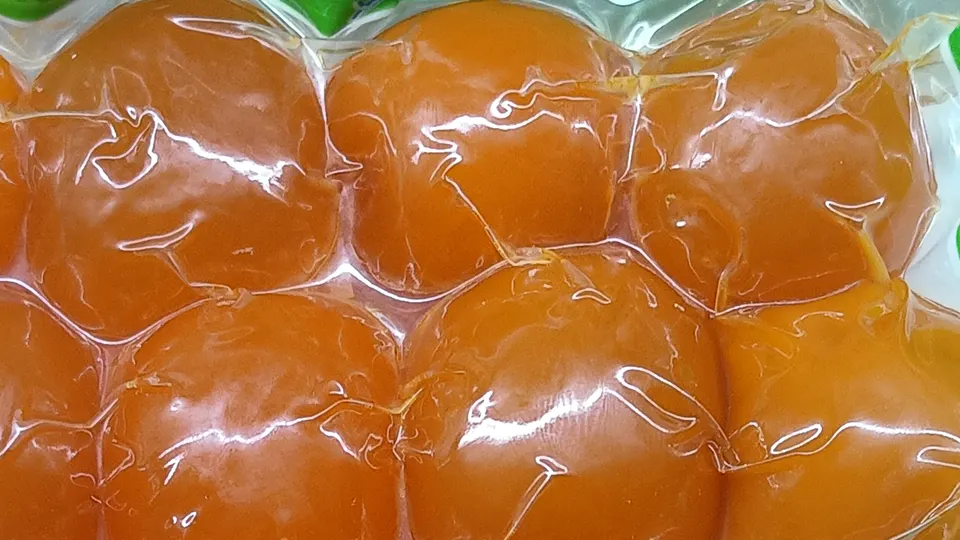
The filling comes first. Mung beans are soaked, steamed, ground and mixed with sugar, oil and malt syrup at a large bakery such as Tan Hue Vien, then wrapped round durian and a salted duck egg yolk, Tap chi Cong Thuong described in November 2024; older accounts add taro and a little pork fat to the paste.
The crust is the skill. Bakers roll the dough into very thin layers and stack them, then brush the cake with oil and egg yolk and bake it in an earth oven at around 270°C: about 7–10 minutes on one side, then turned, brushed again and baked another 10–15 minutes until golden, the Vietnam News Agency reported (Nhan Dan).
Handmade vs machine-made. The big brands now make the crust, fill and shape the cakes by machine, and Tan Hue Vien built its line from bread and bun machines because no banh pia machine existed. Handmade cakes still exist, mostly the small batches of can xai, whose maker told Tuoi Tre that hand rolling gives fuller, melting layers than a machine.
Where does banh pia come from?
Banh pia came to the Mekong Delta with Chinese migrants, and its name gives the clue: pia, or pi-e, means cake in the Teochew dialect, and the cake descends from Teochew mooncakes, Bao Quoc Te writes. The Teochew settled in large numbers around today’s Bac Lieu, Soc Trang and Ca Mau, where they controlled much of the tea trade and influenced the sugar trade, Saigoneer notes, citing historians of the period. For how the wider Vietnamese mooncake family compares with Chinese styles, see Vietnamese vs Chinese mooncakes.
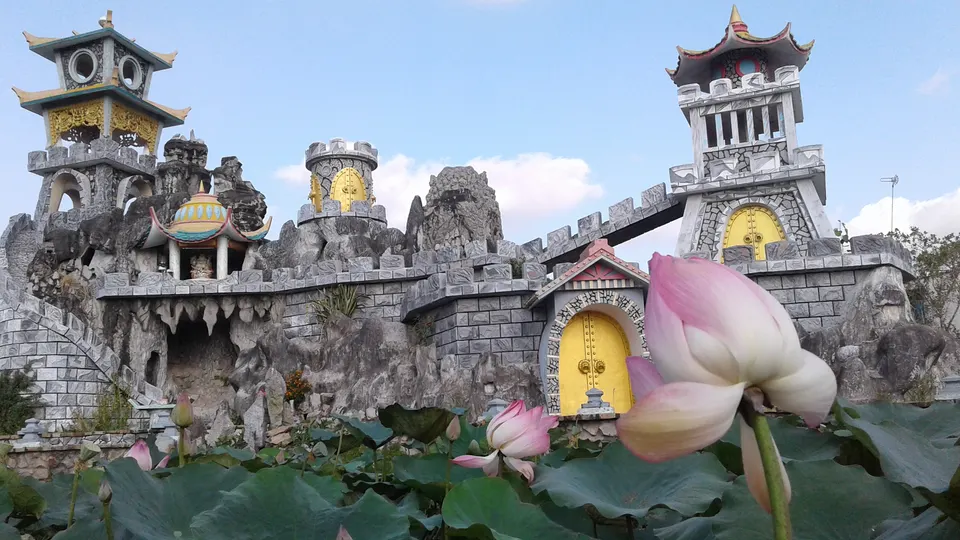
When it arrived is debated. Bao Quoc Te says the cake was brought by Minh Huong (Chinese) migrants from the 16th century, while the Vietnam News Agency says it is “said” to have appeared in Soc Trang in the 17th century. The same Bao Quoc Te article dates Soc Trang’s banh pia itself to about 80–100 years, and a Phu Tam baker told Tuoi Tre in August 2026 that the savoury can xai version appeared in Vung Thom about 100 years ago, while the durian filling came only around the 1970s. The fairest reading: the Teochew cake is old, but the Soc Trang style with durian is a 20th-century local creation. Saigoneer points out that durian, a Southeast Asian fruit, is itself a sign of how the cake was localised.
To see Chinese heritage in the south beyond the bakery, the assembly halls of Cholon, Saigon’s Chinese quarter include the Teochew community’s Nghia An hall.
Vung Thom today: from family ovens to a heritage craft
Vung Thom, about 10 km from central Soc Trang and today part of Phu Tam commune, is where Soc Trang’s banh pia began, and Cong Lap Thanh, the oven of Au Minh Xuong, is regarded as the first bakery there. In October 2020, during the Ok Om Bok festival, the Ministry of Culture’s decision recognising the traditional banh pia craft of Soc Trang’s Hoa (Chinese) community as national intangible cultural heritage was announced (SGGP); the recognised craft covers Phu Tam, Thuan Hoa and An Hiep communes.
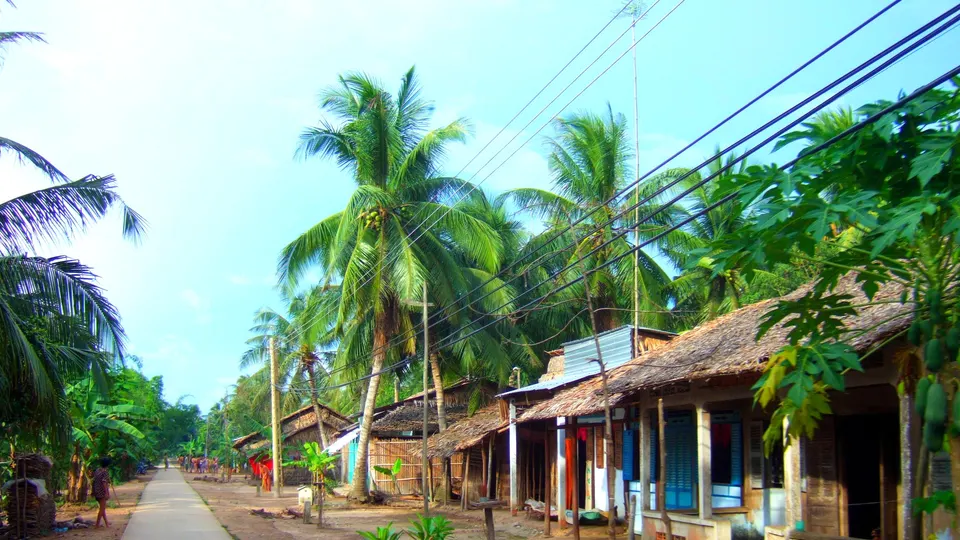
How big the trade is depends on who counts. Tuoi Tre counted more than ten businesses in August 2026; Bao Quoc Te counted more than 30 brands in October 2024, and an older Vietnam News Agency report spoke of more than 50 bakeries. Brands, workshops and businesses are not the same thing, so treat the numbers as a range. Soc Trang supported eight bakeries with almost 5 billion dong in 2022–2023 under a 2022–2025 conservation plan, and cakes are exported to markets including the United States, Japan, Australia, Hong Kong and Canada, Bao Quoc Te reported.
Tradition vs today. Banh pia was once baked only for the Mid-Autumn Festival and Tet; now it is sold all year, keeps for about two months instead of two weeks, and appears in designer gift boxes: in July 2026 Tuoi Tre News described a Mid-Autumn collection with a pia line made with a Vinh Long bakery more than a century old. Its place in the delta’s identity is official too: Can Tho’s Southern Folk Cake Festival, held from 26 April to 1 May 2026, planned a map of Vietnam made of 103 banh pia, one for each commune and ward of the enlarged city, Tuoi Tre reported.
Where to buy banh pia in Soc Trang
Buy it in Vung Thom or in central Soc Trang, where the bakeries sell boxed cakes straight from the ovens; the two places below are listed by Vietnam Airlines’ travel guide and named in Vietnamese press. The MICHELIN Guide’s 2026 Vietnam selection, announced in June 2026, covers only Hanoi, Ho Chi Minh City and Da Nang (VietNamNet), so there are no guide picks here; both cards are local favourites.
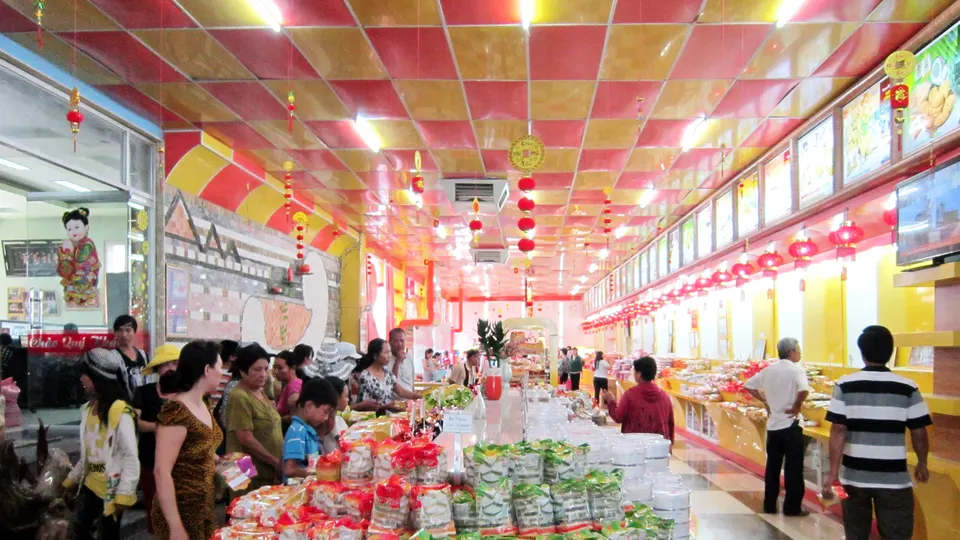
- In town: Tan Hue Vien’s shop on Vo Van Kiet street is the easy stop if you are already visiting Soc Trang’s Khmer pagodas.
- In the village: Cong Lap Thanh 2 in Phu Thanh B hamlet, Phu Tam, puts you in Vung Thom itself, on the way between Can Tho and Soc Trang.
- On the road or at the airport: sealed boxes are sold in supermarkets, shopping centres, ports and airports across Vietnam, Bao Quoc Te notes, so you can still buy them if Soc Trang is not on your route.
Getting there: Soc Trang is a day trip from Can Tho, and the Saigon to Can Tho guide covers the first leg. Since July 2025 addresses may say Can Tho city rather than Soc Trang province, so search by street and commune.
How to eat, store and carry banh pia home
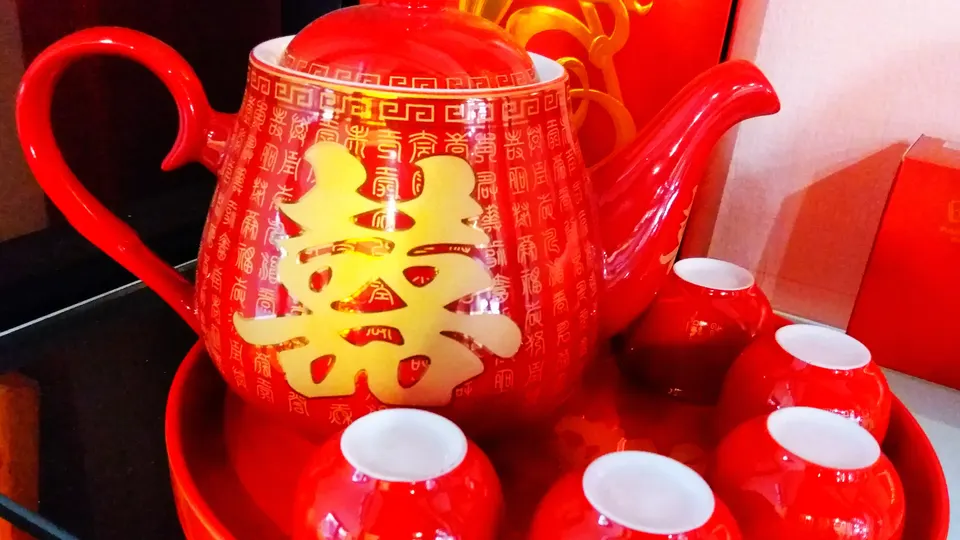
Cut banh pia into wedges and eat it with strong hot tea: the cake is very sweet and rich, and Saigoneer’s writer calls tea essential. At Mid-Autumn it often shares the altar and the table with banh in, the soft white rice-flour “moon” cake, and the Vietnam News Agency notes it is also served at weddings as a symbol of fullness and reunion.
Before you buy:
- Read the stamp and the label. The red stamp names the bakery; the label tells you the filling. Durian is the default in many gift boxes.
- Check the date. Factory-sealed cakes keep for up to about two months; handmade cakes like can xai are best eaten within days. Keep them cool and out of the sun.
- Pick a size that fits your plan. Single wrapped cakes travel better than a large whole cake, and they let you try several fillings.
- Flying home? Boxes are sold at airports, but egg yolk and pork fat can fall under food import rules in some countries, so check before you pack them.
- Go further in the delta. Pair banh pia with other Mekong snacks such as com dep, the Khmer flattened rice of the Ok Om Bok festival, or plan the route with our Mekong Delta itinerary.
Where to buy banh pia
Local favourite
Tan Hue Vien (shop) · Bánh pía Tân Huê Viên
Soc Trang (since July 2025 part of Can Tho city) · Central Soc Trang (former Ward 2 of Soc Trang city)
676 Vo Van Kiet, former Ward 2, Soc Trang
One of the best-known Vung Thom brands, named by Bao Quoc Te among the bakeries that keep the craft going; it mechanised the layered-crust process and sells the full range from classic durian to newer fillings.
Order: Mung bean, durian and salted egg yolk banh pia; a smaller box of mung bean or taro cakes if you are unsure about durian
The company also has a large production and visitor complex in Phu Tam; the address here is the town shop listed by Vietnam Airlines. Ward names changed in 2025, so search the street address.
Recommended by: Vietnam Airlines travel guide, Tạp chí Công Thương (2024), Báo Quốc tế (2024) · checked November 2026
Local favourite
Cong Lap Thanh 2 bakery · Lò bánh pía Công Lập Thành 2
Soc Trang (since July 2025 part of Can Tho city) · Phu Tam commune (Vung Thom)
No. 10, Phu Thanh B hamlet, Phu Tam commune
Cong Lap Thanh, the oven of Au Minh Xuong, is regarded as the first banh pia bakery in Vung Thom, the village where the craft began; buying here puts you in the heritage village itself.
Order: Classic banh pia with mung bean, durian and salted egg; ask what was baked that day
Báo Quốc tế names the Cong Lap Thanh oven; the address and the branch name 'Cong Lap Thanh 2' come from the Vietnam Airlines guide. Several family bakeries in Vung Thom use similar names, so check the address.
Recommended by: Vietnam Airlines travel guide, Báo Quốc tế (2024) · checked November 2026
Addresses and details can change; check before you go. We do not accept payment for listings.
Frequently asked questions
What is banh pia made of?
Banh pia has a thin crust of many layers made from a wet dough and an oily dough brushed with lard, wrapped around a paste of mung beans, sugar and pork fat. Many cakes add durian flesh, taro or a whole salted duck egg yolk, and the top carries the bakery's red stamp.
Is banh pia the same as a mooncake?
It is a cousin, not the same cake. Banh pia comes from Teochew Chinese mooncakes and is eaten at the Mid-Autumn Festival, but it has a plain, flaky crust that peels in layers instead of a moulded, glazed shell, and in Soc Trang it is sold all year.
Do I have to like durian to eat banh pia?
No. Soc Trang bakeries also sell mung bean, taro, red bean, lotus seed and vegetarian banh pia without durian. Read the label or the stamp on the cake, because durian is the default in many gift boxes.
How long does banh pia keep, and can I take it on a plane?
Industrially packed banh pia keeps for up to about two months, against roughly two weeks for the old handmade cakes, according to the Vietnam News Agency. Sealed boxes are sold at Vietnamese airports; check your destination's food import rules, especially for cakes with egg yolk or pork fat.
Where is the best place to buy banh pia in Soc Trang?
Go to Vung Thom, now Phu Tam commune, about 10 km from central Soc Trang, or to a bakery shop in town such as Tan Hue Vien at 676 Vo Van Kiet street. The MICHELIN Guide's 2026 selection does not cover Soc Trang or Can Tho, so choose by bakery name and freshness date.
Key sources
- Bánh pía can xại ở Cần Thơ: Đặc sản độc đáo nhưng hiếm gặp · Tuổi Trẻ, 31 August 2026
- 103 bánh pía ghép thành bản đồ Việt Nam tại Lễ hội bánh dân gian Nam Bộ 2026 · Tuổi Trẻ, 6 March 2026
- Bánh pía Sóc Trăng: Món ăn truyền thống vươn tầm quốc tế · Báo Quốc tế, 29 October 2024
- Nhạc ngũ âm, múa Rom-Vong, nghề làm bánh pía trở thành Di sản Văn hoá phi vật thể · Sài Gòn Giải Phóng, 31 October 2020
- “Pia” cake – Soc Trang’s traditional sweet snack · Nhân Dân (VNA), 22 April 2023
- A cake from a land of cultural confluence · Quân đội Nhân dân (VNA)
- Regional specialties, handicrafts gain ground in Vietnam’s mooncake market · Tuổi Trẻ News, 21 July 2026
- Michelin Guide Vietnam 2026 adds 23 new dining destinations · VietNamNet, 5 June 2026
All 13 sources and further reading
- Tân Huê Viên: An toàn thực phẩm - Tạo niềm tin cho thương hiệu Việt · Tạp chí Công Thương, 1 November 2024
- 10 đặc sản Sóc Trăng đáng thử khiến thực khách quên lối về · Vietnam Airlines travel guide
- Names and administrative centers of 34 provinces and centrally-run cities specified · Vietnam Government Portal
- Bánh Pía: The Dreamy Mooncake Alternative With a Side of Teochew History · Saigoneer
- Bánh pía · Wikipedia
Keep exploring
 North · Central · South · Food Banh Nuong vs Banh Deo: Which Vietnamese Mooncake to Buy Banh nuong vs banh deo, Vietnam's baked and sticky mooncakes: crust, thap cam filling, 2026 prices, safety checks and when to buy before Mid-Autumn 2027.
 South Vietnam · Culture Khmer Pagodas in Soc Trang and Tra Vinh: Which to Visit Khmer pagodas of Soc Trang and Tra Vinh: Bat, Kh'leang, Som Rong, Ang and Hang pagodas, what the carvings mean, Ok Om Bok 2026, etiquette, a route from Can Tho.
 South Vietnam · Travel Can Tho (Cần Thơ): Where to Stay and What to Do in 1–2 Days Can Tho in 1-2 days: stay by Ninh Kieu wharf, take the 5 am boat to Cai Rang (100,000 dong shared, Aug 2026), see Binh Thuy house, eat banh xeo and hu tieu.