North Vietnam · Travel
Hanoi in 3 Days: Day-by-Day Plan and What to Book
Hanoi in 3 days as of November 2026: one walkable area per day, the days the Ho Chi Minh Mausoleum closes, walking-street hours and what to book ahead.
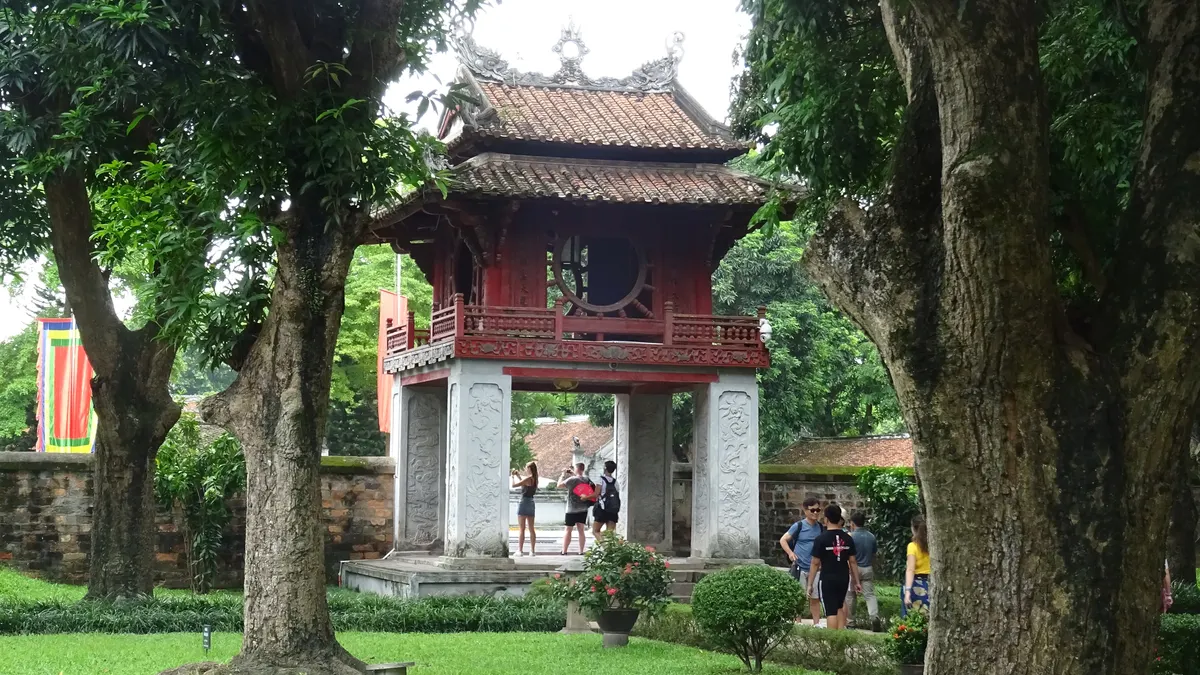
Three days is enough for a first visit to Hanoi (Hà Nội) if you give each day one walkable area: the Old Quarter and Hoan Kiem (Hoàn Kiếm) Lake, then the Ba Dinh (Ba Đình) government district with the Imperial Citadel and the Temple of Literature, then West Lake, the Red River and Long Bien (Long Biên) Bridge. As of November 2026 the Ho Chi Minh Mausoleum is open again after its autumn maintenance closure, reopening on 3 November, but it still closes on Mondays and Fridays, so fix the Ba Dinh day first (VietnamPlus). This plan gives one cluster per day, puts the sights with fixed opening days on the right day, and tells you what to book and what to skip.
For the background to what you will see, read our Hanoi city guide first; this page is the schedule. If Hanoi is part of a longer trip, our one-week North Vietnam route, listed under related guides, shows how these days fit with Ninh Binh and Ha Long Bay.
Hanoi in 3 days at a glance
The opening times are those published by each site or reported in dated press, as named in the sections below. Check them again close to your dates.
| Day 1: Old Quarter and the lake | Day 2: Ba Dinh, citadel and temple | Day 3: West Lake and the river | |
|---|---|---|---|
| Morning | Breakfast pho, then the guild streets of the Old Quarter | Ho Chi Minh Mausoleum (mornings only), Ba Dinh Square, One Pillar Pagoda | Tran Quoc (Trấn Quốc) Pagoda on West Lake |
| Afternoon | Egg coffee, Hoan Kiem Lake, Ngoc Son (Ngọc Sơn) Temple | Imperial Citadel of Thang Long (Thăng Long), then the Temple of Literature | Bun cha lunch, walk onto Long Bien Bridge; optional museum |
| Evening | Water puppet show, then the lake walking street (7 pm to midnight, Friday to Sunday only) | Optional night tour at the citadel or the temple | Free evening in the Old Quarter |
| Best days | Friday, Saturday or Sunday, for the walking-street evening | Tuesday, Wednesday, Thursday, Saturday or Sunday | Any day; the Museum of Ethnology closes on Mondays |
| Moving around | On foot | Taxi or ride-hail to Ba Dinh, then on foot between sights | Taxi to West Lake, on foot or taxi back via the bridge |
| Book ahead | Puppet show ticket | Night tour, if you want one | Nothing essential |
How to use the table. Fix day 2 first, because the mausoleum is the only sight with closing days that can wreck the plan. Then put day 1 on a Friday, Saturday or Sunday if your dates allow, because the walking street runs only on those three evenings, and let day 3 take whatever day is left. If you land in the afternoon or evening, see the arrival section below before you fix day 1.
Arriving in Hanoi: how to fit day 1 around your flight
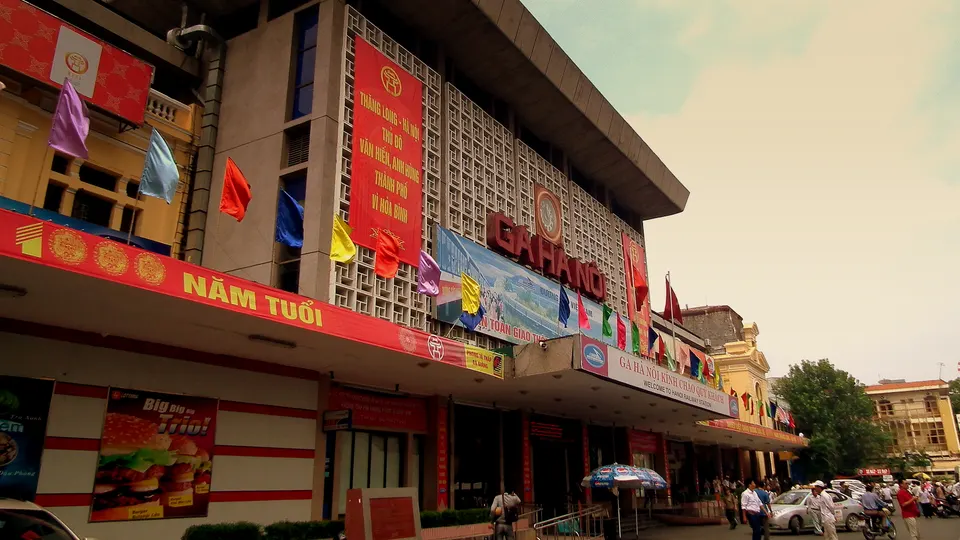
Noi Bai (Nội Bài) airport is about 27 km from central Hanoi, usually about an hour’s drive, according to Vietnam’s national tourism authority, so the time you land decides what is left of day 1. Our guide to getting from Noi Bai airport to the Old Quarter compares every option in detail; this section is what matters for the plan.
| You land | Getting in | What to do with day 1 |
|---|---|---|
| Morning | Bus 86 or a taxi | Drop your bags and start the day 1 walk after lunch: Old Quarter, egg coffee, the lake, a puppet show |
| Afternoon | Bus 86 or a taxi | Skip the Old Quarter walk today; walk to the lake and see a puppet show, and fold the guild streets into a later morning |
| After about 10 pm | Airport taxi or app car | Go straight to bed and start the plan the next morning |
Bus 86. The airport’s own transport page lists route 86 from Noi Bai to Hanoi Railway Station at 45,000 dong a trip, with departures from the airport between 7:00 and 22:15 (checked 20 November 2026) (Noi Bai airport). It suits light luggage and a hotel near a stop.
Taxi or app car. Airport taxis wait at the terminals from the first to the last flight of the day. Since 3 August 2026 Grab cars no longer pick up at the arrivals kerb: at the international terminal (T2) go to car parks P1 or P7, and at the domestic terminal (T1) to lane 3 in front of Hall E, according to Grab’s notice.
Which day you land. Count the days forward before you fix the plan. If your first full day is a Thursday or a Sunday, the next day is a Friday or a Monday, when the mausoleum is closed, so put Ba Dinh on another day. If you land on a Friday, Saturday or Sunday afternoon, the walking street that evening is the easiest first outing: it starts at 7 pm.
Day 1: the Old Quarter, Hoan Kiem Lake and water puppets
Day 1 is a walking day in the oldest commercial heart of the city. Start with breakfast pho (phở), the beef noodle soup Hanoi is known for, in the Old Quarter (see the place cards below), then walk through the “36 streets”, the trade streets named after the goods their guilds once sold. Our guide to the Old Quarter’s guild streets has a self-guided route past the guild temples and tube houses that fills the morning, and our 3-hour Old Quarter walk times each stop around the relics’ 2026 opening hours.
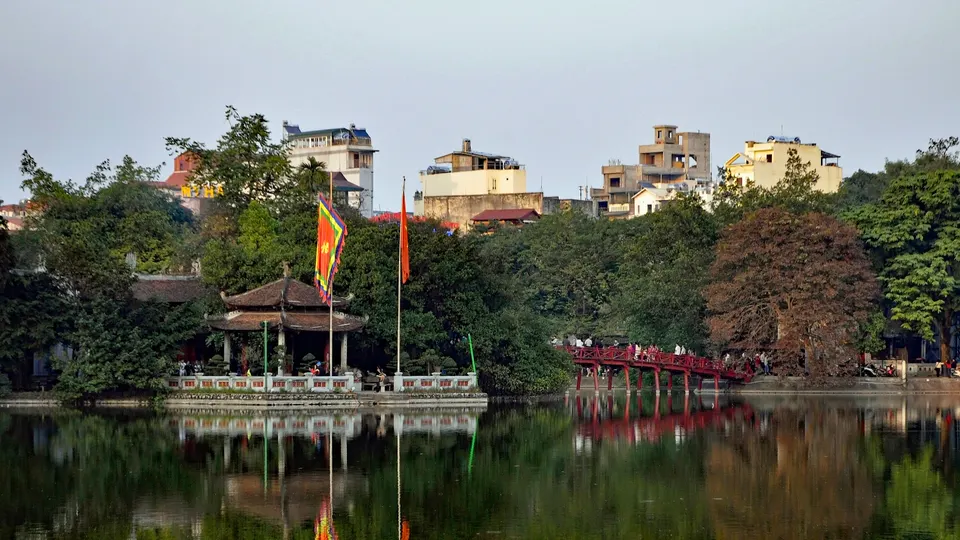
By early afternoon you will be near Hoan Kiem Lake. Stop for egg coffee, whipped egg yolk and sugar over strong coffee, before you reach the water. Walk around the lake and cross the red The Huc (Thê Húc) bridge to Ngoc Son Temple on its island. The lake is the symbolic centre of the city.
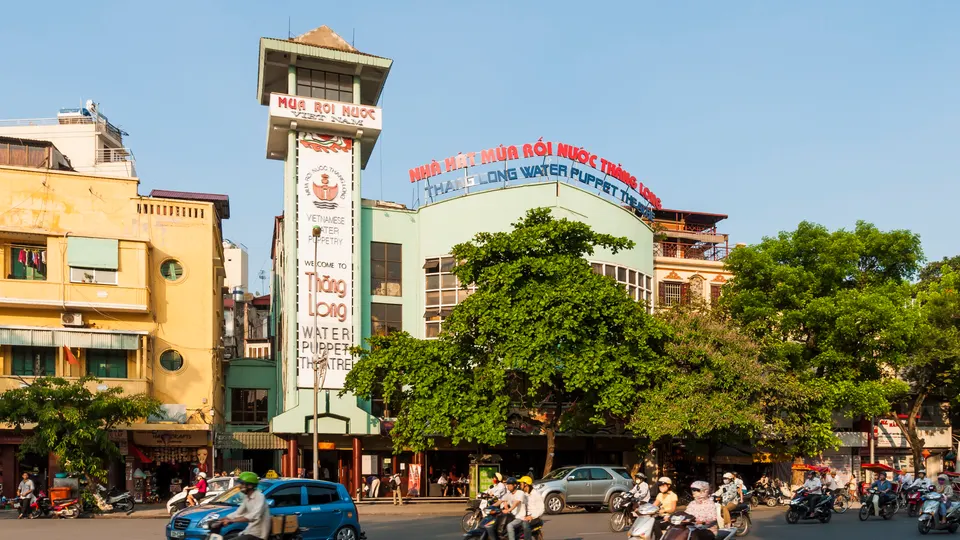
Late afternoon or evening: water puppets. Water puppetry (mua roi nuoc (múa rối nước)), puppets performed in a pool of water to live music, is the traditional art most visitors see in Hanoi. The Thang Long Water Puppet Theatre at 57B Dinh Tien Hoang (Đinh Tiên Hoàng) Street has run five to seven shows a day since late 2023, with an average of more than 300 people per show, Bao Van Hoa reported. Buy your ticket earlier in the day, and on a Friday, Saturday or Sunday choose a show that ends before 7 pm so you can walk straight out onto the walking street.
If it is a Friday, Saturday or Sunday. From 7 pm to midnight on each of these three evenings, motorbikes and cars are banned from the area around Hoan Kiem Lake, the Old Quarter and its night market, and the streets become a walking zone. Since 1 July 2026 this area is Zone 1 of the city’s low-emission zone pilot, which runs until 31 December 2026, and the ban applies only in those evening hours (Thang Long portal); Hanoi Moi reported the same hours. It is not a continuous weekend closure: on Saturday and Sunday daytime the lake streets carry normal traffic, so do the lake walk whenever suits you and come back after dinner for the walking zone. The city occasionally suspends it, as it did from 13 to 20 March 2026 for the elections, Znews reported, so check locally. If day 1 falls midweek, swap it with day 3, or simply walk back to the lake from 7 pm on whichever of your evenings is a Friday, Saturday or Sunday.
Day 2: Ba Dinh, the Imperial Citadel and the Temple of Literature
Day 2 covers Hanoi as a capital. The mausoleum and the citadel are both in the Ba Dinh area west of the Old Quarter, and the Temple of Literature is a short taxi ride south, so take a taxi or ride-hail car to Ba Dinh Square early and walk from there. The order matters: the mausoleum opens only in the morning, while the citadel and the temple are open all day.
Early morning: the Ho Chi Minh Mausoleum and Ba Dinh Square. Join the queue as soon as it opens. From November to March the mausoleum receives visitors from 8 to 11 am (to 11.30 am on Saturdays); from April to October from 7.30 to 10.30 am (to 11 am at weekends and on public holidays). It is closed on Mondays and Fridays. The Ba Dinh area around it also holds the One Pillar Pagoda, so allow time to walk the grounds afterwards. See the next section for this year’s maintenance closure, and our Ho Chi Minh Mausoleum guide for the dress code, bag rules and a step-by-step plan for the whole Ba Dinh complex.
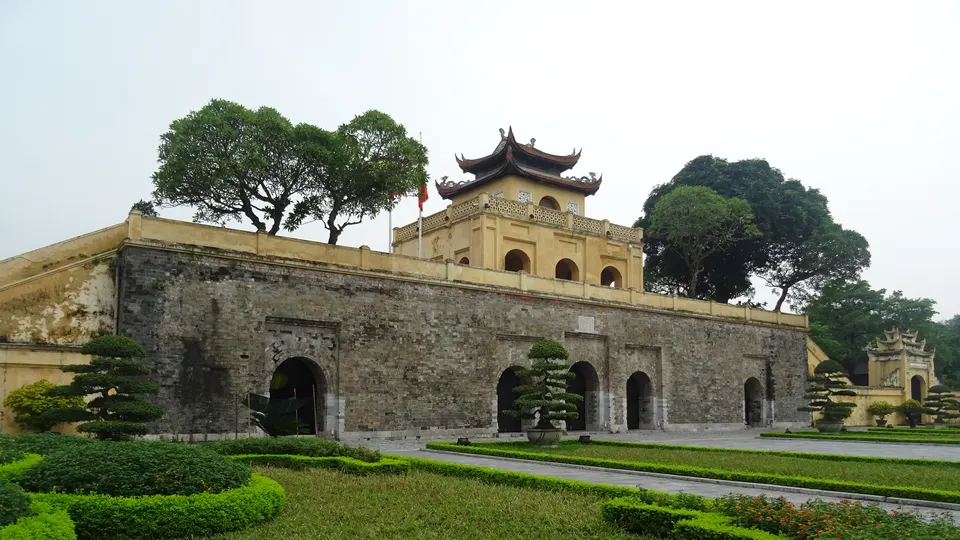
Late morning: the Imperial Citadel of Thang Long. The central sector of the citadel became a UNESCO World Heritage site in 2010. UNESCO describes it as built by the Ly (Lý) dynasty in the 11th century on the remains of a 7th-century Chinese fortress, and as the centre of regional political power for almost 13 centuries (UNESCO). Expect gates, foundations and excavated layers, starting with the Doan Mon (Đoan Môn) gate, rather than a complete palace. The Heritage Conservation Centre gives opening hours of 8 am to 5 pm every day and an entrance fee of 100,000 dong (VND) from 1 January 2025.
Afternoon: the Temple of Literature. The Temple of Literature (Van Mieu (Văn Miếu)) was founded in 1070 to honour Confucius, and Hanoi’s first university, Quoc Tu Giam (Quốc Tử Giám), was set up there in 1076, according to the Vietnam National Authority of Tourism (VNAT). Walk through its five courtyards to the 82 stone stelae that record the doctoral laureates of the examinations held from 1442 to 1779; UNESCO added them to its Memory of the World register in 2011. The official site lists opening hours of 8 am to 5 pm daily and a 70,000 VND adult ticket (checked 14 November 2026). Children under 16 enter free, and visitors aged 60 or over pay 35,000 VND with a Vietnamese citizen ID card, so most foreign visitors pay the full price. The site asks for polite dress in the places of worship and quiet in the solemn areas. The entrance is at 58 Quoc Tu Giam Street.
Optional evening: a night tour. The Temple of Literature’s site lists an evening programme on Wednesdays, Saturdays and Sundays from 6.30 to 10 pm; the Imperial Citadel also runs guided night tours. Both are booked through their official websites or hotlines, and schedules change, so confirm before you plan an evening around one.
Day 3: West Lake, Tran Quoc Pagoda and Long Bien Bridge
Day 3 moves north, to the water. Tran Quoc Pagoda stands on a small islet in West Lake (Ho Tay (Hồ Tây)), about 4 km from the city centre. Go in the morning, then work your way back towards the Old Quarter and the river.
Morning: Tran Quoc Pagoda. Vietnam Airlines’ travel guide dates the pagoda to the 6th century, when it stood by the Red River, and says it moved to West Lake in 1615. It is a working Buddhist pagoda: cover shoulders and knees. The pagoda is on Thanh Nien (Thanh Niên) Street, and the same guide lists the smaller Truc Bach (Trúc Bạch) Lake among the sights nearby, so walk on along the water afterwards.
Lunch: bun cha. Head back south-east for bun cha, grilled pork with rice noodles and a sweet-sour dipping broth, Hanoi’s classic lunch. Our card below gives a MICHELIN-listed stall on Hang Than (Hàng Than) Street in Ba Dinh ward.
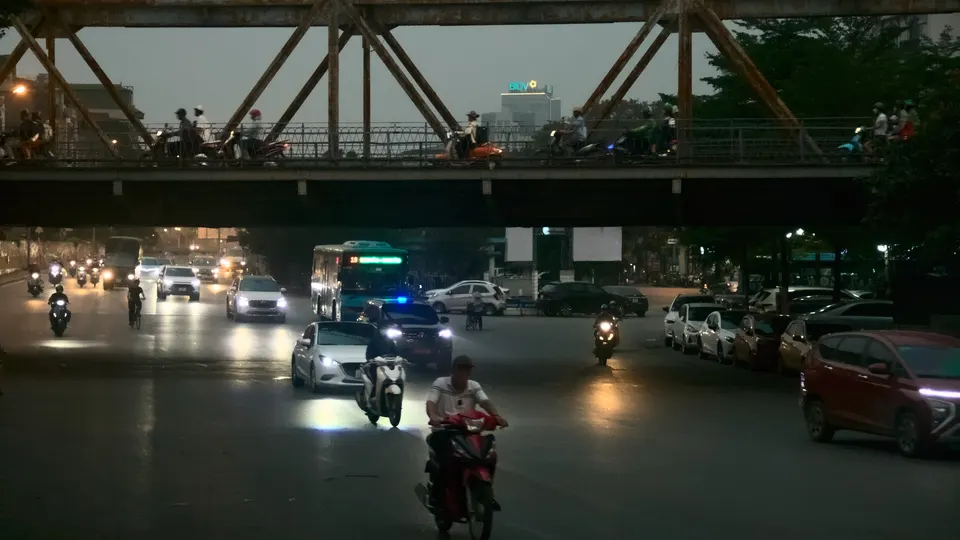
Afternoon: Long Bien Bridge. The iron railway bridge over the Red River was built between 1899 and 1902, and besides its trains it carries pedestrians, bicycles and motorbikes. It reopened on 28 May 2026 after a two-month renovation, while trains kept running (Viet Nam News). Walk out a few spans for the view over the river, stay in the lanes and do not step onto the track.
Evening. Keep it free for a last meal in the Old Quarter. If you have more energy in the afternoon, see the half-day option in the decision section below.
Is Hanoi’s Train Street open to visitors?
Not officially, and this plan leaves it out. Train Street is the stretch of the railway through the old city where cafes line the track and crowds stand next to passing trains, around Phung Hung (Phùng Hưng) Street. Authorities banned commercial activity along it in October 2019, and in March 2025 the Hanoi Department of Tourism told travel agencies not to organise tours there, to keep tourists safe and the railway corridor clear (VTV). Our Hanoi Train Street guide follows the rules, the planned train cut and the legal ways to see the line.
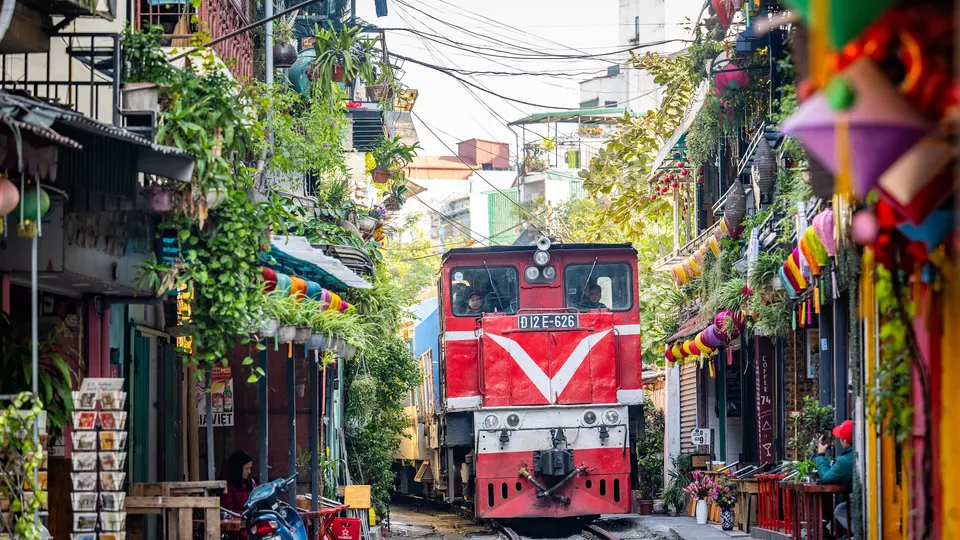
What happens on the ground. Cafes keep reopening behind the barriers, and police keep clearing them. In March 2025 a traffic police team made a surprise inspection and forced hundreds of tourists off the tracks; cafe owners packed up their tables, and police said they would enforce the rules strictly on the Phung Hung to Le Duan (Lê Duẩn) section, VnExpress reported.
The trains themselves are being cut. In January 2026 Hanoi asked the Ministry of Construction to stop passenger trains between Hanoi Station and Long Bien Station, citing safety and plans to renew the area around the bridge and the citadel. On 27 February 2026 the ministry and the city agreed to reduce passenger trains and suspend freight trains on the section, Vietcetera reported. Expect fewer trains, if any, at the times you may read about online.
What to do instead. You will see the railway anyway from Long Bien Bridge on day 3. Vietcetera notes that a cafe inside Long Bien Station opened in 2023 as the officially sanctioned alternative, set back from the track.
Which sights close when? Mondays, Fridays and maintenance
Only a few of Hanoi’s main sights have closing days, but they are the ones that can break a short trip. These are the schedules published by each site or reported in dated national press.
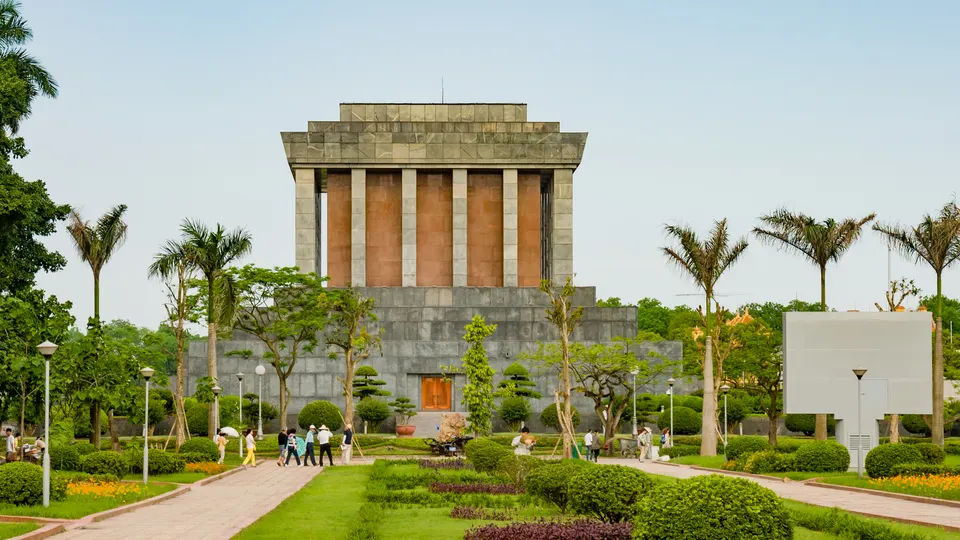
- Ho Chi Minh Mausoleum: closed Mondays and Fridays, mornings only. Exceptions: it opens on 19 May, 2 September and the first day of Lunar New Year even when they fall on a Monday or Friday. It also closes for periodic maintenance. The latest closure ran from 4 September to 2 November 2026 (Tuoi Tre News), and the mausoleum reopened to Vietnamese and international visitors on 3 November 2026, VietnamPlus reported the next day. As of November 2026 the cool-season hours apply: 8 to 11 am, and to 11.30 am on Saturdays. The seasonal hours are those reported by Tuoi Tre News in August 2026; the 2026 closure was announced in early August, about four weeks ahead, so search for a current notice before you go.
- Imperial Citadel of Thang Long: open every day, 8 am to 5 pm, according to the Heritage Conservation Centre’s ticket page (31 December 2024).
- Temple of Literature: open every day, 8 am to 5 pm, on its official site.
- Vietnam Museum of Ethnology: closed on Mondays and over the Lunar New Year holidays, open 8.30 am to 5.30 pm, according to the museum’s own site.
- Hoan Kiem walking street: 7 pm to midnight on Friday, Saturday and Sunday, each evening separately, according to the city’s July 2026 notice; it is occasionally suspended, for example for the March 2026 elections.
So what? If your first full day is a Thursday or a Sunday, your day 2 cannot be the next day. Rearrange the days rather than squeezing the mausoleum into an afternoon: it will not be open.
Three days in the city, or two days and a day trip?
With three nights in Hanoi, many visitors are tempted to give one day to the karst landscapes outside the city. That works, but it changes the trip. Here is how to decide.
| 3 days in Hanoi | 2 days in Hanoi + 1 day trip | |
|---|---|---|
| What you keep | All three clusters above, at an easy pace | Days 1 and 2 (Old Quarter, lake, Ba Dinh) |
| What you drop | Nothing in the city; no countryside | West Lake, Long Bien Bridge, a slow final day |
| Best if | It is your first visit to Vietnam, you are jet-lagged, or you have other karst days later in the trip | Hanoi is your only stop in the North and you want to see karst or rice fields |
| Watch out for | Little | Long road days; the day-2 mausoleum still needs a Tuesday, Wednesday, Thursday, Saturday or Sunday |
If you choose the day trip, our guide to day trips from Hanoi compares Ninh Binh, Ha Long Bay and closer options by travel time. If Ninh Binh is the main reason you came north, our Ninh Binh guide explains why an overnight stay beats a day trip there.
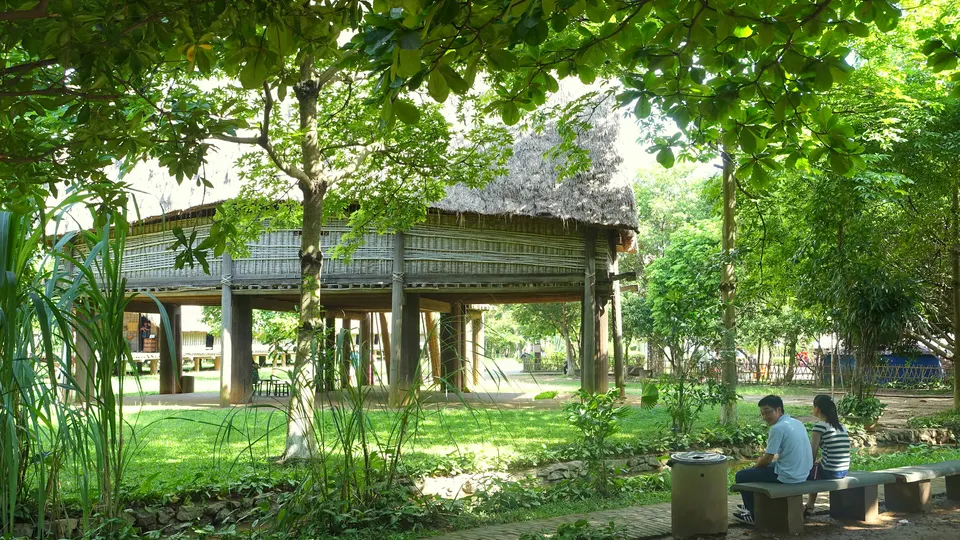
An optional half-day in the city. If you stay in Hanoi and want more on day 3 afternoon, the Vietnam Museum of Ethnology, on Nguyen Van Huyen (Nguyễn Văn Huyên) Street in Nghia Do (Nghĩa Đô) ward, is devoted to the country’s many ethnic groups. It is open 8.30 am to 5.30 pm except on Mondays, and the museum lists a 40,000 VND adult ticket. It is a taxi ride from both West Lake and the Old Quarter, so it replaces Long Bien Bridge rather than adding to it.
Where to eat along the route
Each day passes good places to eat, so plan meals around the walking route rather than detours. The cards below are placed on the plan: a breakfast pho and an egg-coffee stop for day 1, a pho supper in Hoan Kiem ward, and a bun cha lunch for day 3. These are small, busy street-food shops; going outside the main meal hours usually means less waiting.
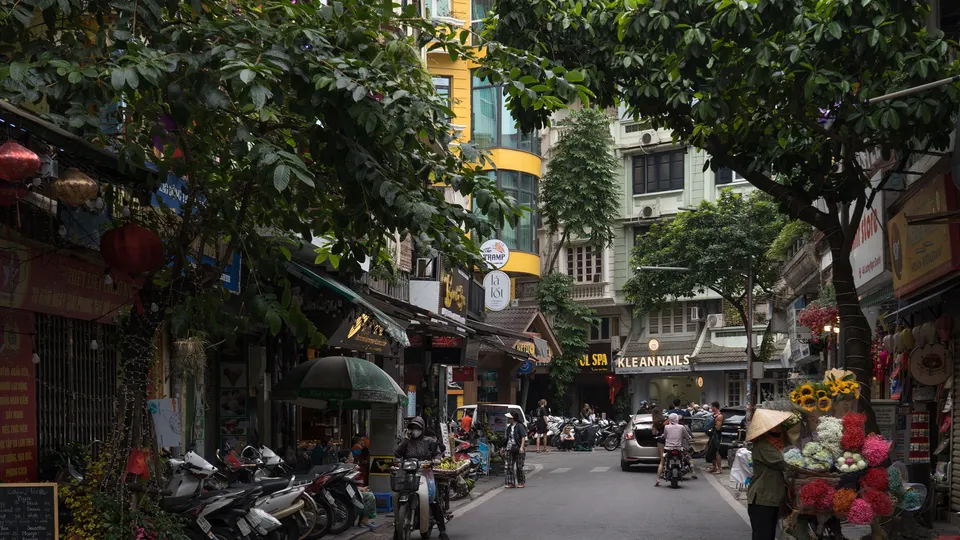
Hanoi’s food is a reason to come in itself, and the North has its own versions of many national dishes; a Hanoi bowl of pho, with its clear broth, is the Northern version. For many more addresses, street by street, see our full guide to where to eat in Hanoi’s Old Quarter.
Before you go: a 3-day Hanoi checklist
Most problems on a short Hanoi trip come from timing: a closed mausoleum, a sold-out show, a plan built around Train Street. Check these before you finalise your days.
- Fix the Ba Dinh day first. Make it a Tuesday, Wednesday, Thursday, Saturday or Sunday and start early; the mausoleum closes before lunch.
- Check for maintenance closures. The mausoleum closes for periodic maintenance (most recently from 4 September to 2 November 2026); search for the current notice before you go.
- Put the lake evening on a Friday, Saturday or Sunday to see the walking street, which runs from 7 pm to midnight on each of those evenings only.
- Check your landing time: bus 86 leaves the airport until about 10 pm; after that, take an airport taxi or an app car from the pick-up point.
- Buy your puppet ticket early in the day, and book any night tour through the citadel’s or the temple’s official channels (Imperial Citadel).
- Carry some cash for entrance fees (100,000 VND at the citadel, 70,000 VND at the Temple of Literature in their current listings) and for street food.
- Dress for temples and the mausoleum: shoulders and knees covered.
- Skip Train Street, and see the railway from Long Bien Bridge instead.
- Sleep central. This plan is built on walking clusters, so a base in or near the Old Quarter saves the most time; our guide to where to stay in Hanoi compares the Old Quarter, the French Quarter and West Lake.
- Plan the rest of the North from our North Vietnam hub, and choose your season with our guide to the best time to visit Vietnam.
Where to eat along the route
MICHELIN Guide pick
Phở Gia Truyền · Phở Gia Truyền (Bát Đàn)
Hanoi · Old Quarter, Hoàn Kiếm ward
49 Bát Đàn Street
Day 1 breakfast in the Old Quarter. A Bib Gourmand in the MICHELIN Guide Vietnam 2026, whose inspectors call it one of Hanoi's most iconic eateries and an example of the Northern approach to phở, with each bowl made to order at the counter.
Order: Phở bò with rare flank, medium-rare round or well-done brisket; add quẩy (fried dough) or an egg yolk if you like.
'Phở gia truyền' means 'family-recipe phở' and many shops use it. This card means the shop at 49 Bát Đàn Street.
Listed in: MICHELIN Guide Vietnam 2026 · checked November 2026
Local favourite
Cà Phê Giảng · Cà phê Giảng
Hanoi · Old Quarter, Hoàn Kiếm ward (former Hoàn Kiếm district)
39 Nguyễn Hữu Huân Street, down an alley
A Day 1 break between the guild streets and Hoàn Kiếm Lake. VietNamNet describes the café, opened in 1946, as the origin of Hanoi's egg coffee; Dân Trí calls it the first place to sell the drink.
Order: Cà phê trứng (egg coffee): strong coffee under whipped egg yolk and sugar.
Recommended by: VietNamNet (2024), Dân Trí (2024) · checked November 2026
MICHELIN Guide pick
Phở 10 Lý Quốc Sư
Hanoi · Hoàn Kiếm ward
10 Lý Quốc Sư Street
A Day 1 supper in Hoàn Kiếm ward. A Bib Gourmand in the MICHELIN Guide Vietnam 2026; the inspectors describe a hearty, refreshing phở with tender beef.
Order: Phở with tái (rare beef), chín (brisket), nạm (flank) or bắp (beef shank).
The inspectors warn of imitations. This card means the branch at 10 Lý Quốc Sư Street.
Listed in: MICHELIN Guide Vietnam 2026 · checked November 2026
MICHELIN Guide pick
Tuyết Bún Chả 34 · Bún chả Tuyết 34 Hàng Than
Hanoi · Ba Đình ward
34 Hàng Than Street
Day 3 lunch in Ba Đình ward, on the way back from West Lake. A Bib Gourmand in the MICHELIN Guide Vietnam 2026, known for bún chả chargrilled to order.
Order: Bún chả (grilled pork with rice noodles, herbs and a dipping broth); the inspectors suggest an extra spring roll. Cash only.
Listed in: MICHELIN Guide Vietnam 2026 · checked November 2026
Addresses and details can change; check before you go. We do not accept payment for listings.
Frequently asked questions
What can I visit in Hanoi on a Monday?
The Imperial Citadel of Thang Long and the Temple of Literature are open every day from 8 am to 5 pm, so a Monday works well for the Old Quarter, Hoan Kiem Lake or West Lake. The Ho Chi Minh Mausoleum and the Vietnam Museum of Ethnology are closed on Mondays, and the mausoleum is also closed on Fridays.
How much are entrance tickets for the main Hanoi sights?
As of November 2026 the Imperial Citadel of Thang Long charges 100,000 VND, the Temple of Literature 70,000 VND for adults (under-16s free) and the Vietnam Museum of Ethnology 40,000 VND for adults, according to their official sites. Carry cash for the gates and for street food.
Can you still visit Hanoi Train Street?
Officially it is not a tourist attraction. Commercial activity on the tracks has been banned since 2019, Hanoi told travel companies in 2025 not to bring tours, and police clear visitors from the line. Plan your days without it and see the railway from Long Bien Bridge instead.
What should I book ahead for 3 days in Hanoi?
A water puppet ticket for the evening you want, and any night tour of the Imperial Citadel or the Temple of Literature. The day-time sights in Hanoi sell tickets at the gate.
Key sources
- President Ho Chi Minh Mausoleum to close for periodic maintenance from September 4 · Tuổi Trẻ News, 9 August 2026
- Central Sector of the Imperial Citadel of Thang Long - Hanoi · UNESCO World Heritage Centre
- Ticket price · Thăng Long - Hà Nội Heritage Conservation Centre (Imperial Citadel of Thang Long), 31 December 2024
- Hanoi bans tours on train street · VTV, 10 March 2025
- Hà Nội's iconic bridge reopens after two-month renovation · Việt Nam News, 29 May 2026
- Từ 1/7, Hà Nội miễn phí xe buýt, bố trí 220 điểm gửi xe trong vùng phát thải thấp · Cổng thông tin Thăng Long - Hà Nội (thanglong.chinhphu.vn), 1 July 2026
- Lăng Chủ tịch Hồ Chí Minh mở cửa trở lại để đón nhân dân, khách quốc tế · VietnamPlus (VNA), 4 November 2026
- Transport to/from the airport (public buses, taxis, minibuses) · Noi Bai International Airport (ACV), checked 20 November 2026
All 24 sources and further reading
- Tu bổ định kỳ Lăng Chủ tịch Hồ Chí Minh từ 4/9 đến 2/11 · VietnamPlus (VNA), 3 September 2026
- Imperial Citadel of Thang Long - Hanoi becomes 900th site on UNESCO World Heritage List · Thăng Long - Hà Nội Heritage Conservation Centre, 1 August 2010
- Night Tour - Decoding Thăng Long Imperial Citadel · Thăng Long - Hà Nội Heritage Conservation Centre (2022, updated 2023)
- Thông tin cho du khách · Văn Miếu - Quốc Tử Giám (official site), checked 20 November 2026
- Temple of Literature (Văn Miếu - Quốc Tử Giám) · Vietnam National Authority of Tourism
- Van Mieu steles listed in UNESCO World Memory Programme · Vietnam National Authority of Tourism (VNA), 30 May 2011
- Hundreds of tourists forced to leave Hanoi's Train Street over safety concerns · VnExpress International, 24 March 2025
- Hanoi proposes halting passenger trains through the famous 'railway cafe street' · The Star / Vietnam News (ANN), 7 January 2026
- Hanoi Cuts Train Services To Famous Train Street: Can It Remain A Tourist Magnet? · Vietcetera, 10 March 2026
- Nhà hát múa rối Thăng Long: Ngọn hải đăng của nghệ thuật nước nhà · Báo Văn Hóa, 23 December 2024
- Từ 1-7, Hà Nội chính thức triển khai vùng phát thải thấp · Hànộimới, 1 July 2026
- Tạm dừng hoạt động phố đi bộ hồ Gươm phục vụ bầu cử · Znews, 13 March 2026
- Cập nhật điểm đón và giá cước GrabCar tại sân bay Nội Bài · Grab Vietnam, 5 August 2026
- A traveller's guide to Vietnam's airports · Vietnam National Authority of Tourism (vietnam.travel), checked 14 November 2026
- Tran Quoc Pagoda · Vietnam Airlines travel guide
- Vietnam Museum of Ethnology (visitor information) · Vietnam Museum of Ethnology (official site)
Keep exploring
 North Vietnam · Travel Hanoi: How Many Days, What to See and When to Go Hanoi travel guide for 2026: how many days and where to stay, Noi Bai airport, walking-street hours, the new low-emission zone, Train Street and where to eat.
 North Vietnam · Culture Hanoi's 36 Streets: What the Names Mean and How to Walk Them What Hanoi's 36 streets really were, which Hang streets still sell what their names say, where the guild temples stand, and a self-guided Old Quarter walk.
 North · Central · South · Travel Vietnam in One Week: Which Region to Pick, 3 Routes 7 days in Vietnam? Pick North, Centre or South. Day-by-day routes, transfer times, 2026 train and ticket prices, and a table to choose by month and airport.
 North Vietnam · Travel Where to Stay in Hanoi: Old Quarter, French Quarter, Tay Ho Where to stay in Hanoi: Old Quarter for a first visit, the French Quarter for calm and classic, West Lake (Tay Ho) for long stays, plus airport buses by area.